
15 How to Remove Gel Polish at Home
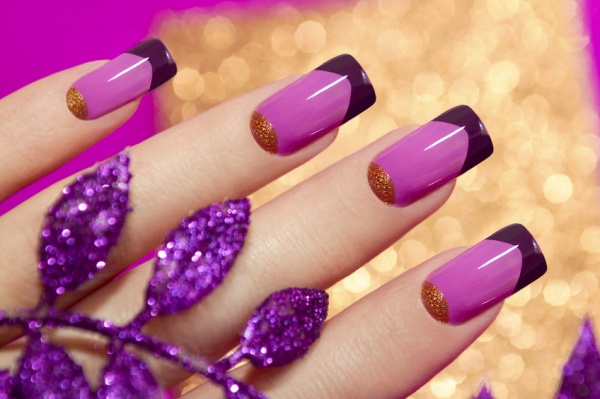

The benefits of a gel manicure are enormous and impressive. Almost two weeks of chip-free and glossy nails make most girls throw away their favorite nail polishes. Typing all day long is one of the things I do each day. Hand-washing my dishes and cleaning are other tasks that ruin any beautiful nail art in a matter of several minutes. This is why I opt for gel polish. I love it, but there’s one downside – it’s extremely difficult to remove at home. Since doing research is my job and experimenting is my passion, I found 3 ways to remove gel polish without going to the salon.
1 Water and acetone will do the trick
When water and acetone are all you have at home, you can use these ‘ingredients’ to remove your gel polish. It takes some time and effort, yet it’s a safe, cheap and effective way to try. Pour acetone into a small bowl and warm water into a larger bowl. Create a double-boiler. Let acetone warm for a minute. Meanwhile, buff your nails.
Place your nails in a bowl with acetone and allow gel polish to soak off. Loosen and remove gel polish on every nail using an orange wood stick. Typically, it takes 20-30 minutes to get gel polish removed. But don’t keep your nails in acetone for more than 10 minutes. Once you are done, wash your hands and apply a rich moisturizer. Cuticle oil or hand cream is a good option too.
2 Invest in removal kits
Gel polish manicure sounds like a dream come true. Removal kits exist to help you enjoy that dream. Not only will you remove a dull gel polish quickly, you will keep your nails healthy as well. The average price of the kit is $10, depending on the brand and quality. Easy to use and quick to remove.
Read also – 15 Beauty Infographics to Flip Over
3 Foil and acetone work perfectly together
Start with buffing your nails. Then, place a cotton ball soaked in the acetone over each of your nails, wrap with foil and leave for 10-12 minutes. If gel polish won’t slide right off with the cotton balls, try to use your orange stick. Just make sure the polish starts to lift. Be as gentle as possible. Your nails may look strong, but it’s possible to wreck even the strongest nails. Once you’ve got the polish off, wash your hands and apply your hand cream or moisturizer.
Once the free edge around your cuticle begins to lift, and you have no time to go to the beauty salon, don’t peel it off. Peeling off gel polish significantly damages the natural nail bed and leads to a number of serious problems. Surely, it’s best to go to a salon, but any of these methods may come in handy too. Don’t try any of them if you have unhealthy or brittle nails. How often do you wear gel polish? Do you remove it at home?
4 Try the steam method for stubborn polish
If acetone isn’t doing the trick or you want a gentler approach, steam can help soften gel polish for easier removal. Fill a bowl with hot water and hold your hands over the steam for 5-10 minutes, or take a warm shower and let the steam work on your nails. The heat helps break down the gel’s bond to your natural nail. After steaming, gently push the softened polish off with an orange stick or cuticle pusher.
This method works especially well when combined with a nail file – lightly buff the top coat first, then steam, and finish with gentle removal. While it takes a bit longer than acetone, steam is less drying to your nails and cuticles. Remember to moisturize afterward, as any removal method can leave your nails feeling dry. Have you tried using heat to remove stubborn polish before?
5 Use dental floss for quick edge removal
Once you’ve loosened the gel polish with acetone or steam, dental floss can be a game-changer for getting those stubborn edges off cleanly. Gently slide unflavored dental floss under the lifted edge of the polish and work it back and forth in a sawing motion. The thin floss gets underneath the gel layer and helps separate it from your natural nail without causing damage.
This technique works best when the polish has already started to lift from soaking or steaming – don’t force it if the gel is still firmly attached. Move slowly and stop if you feel any resistance, as rushing can damage your nail bed. The floss method is particularly helpful for removing polish around the cuticle area where it tends to cling most stubbornly. Have you ever thought of using dental floss as a nail tool before?
6 Moisturize and nourish your nails afterward
After removing gel polish, your nails and cuticles will likely be dry and weakened from the acetone exposure. Immediately apply a rich cuticle oil or vitamin E oil to your nail beds and massage it in gently. Follow up with a nourishing hand cream to restore moisture to the surrounding skin. Your nails may appear thin or feel flexible – this is completely normal after gel removal.
Give your nails a break for at least a few days before applying any new polish to allow them to recover their natural strength. During this recovery period, apply a nail strengthening treatment or clear base coat to protect and fortify your nails. Consider taking biotin supplements or eating protein-rich foods to support healthy nail growth from within. Remember, healthy nails are always more beautiful than damaged ones hidden under polish!
7 Know when to seek professional help
While removing gel polish at home is generally safe, there are times when it’s better to visit a professional nail technician. If you notice any signs of infection, severe nail damage, or persistent pain during the removal process, stop immediately and consult a salon or dermatologist. Additionally, if you have very thick gel layers, nail art with multiple coats, or hard gel extensions, professional removal tools and expertise may be necessary to avoid serious nail damage.
Don’t feel embarrassed about seeking professional help – nail technicians have specialized tools like electric files and professional-grade removal solutions that can safely handle stubborn gel polish. If you’re pregnant or have sensitive skin that reacts poorly to acetone, a professional can offer alternative removal methods. Remember, the cost of professional removal is minimal compared to the potential expense and time needed to repair severely damaged nails.
8 Post-removal nail care and recovery
After successfully removing your gel polish, your nails will need some TLC to recover from the removal process. Start by gently buffing away any remaining residue with a fine-grit buffer, being careful not to over-file the nail surface. Wash your hands thoroughly with soap and water to remove any acetone traces, then immediately apply a nourishing cuticle oil and a rich hand cream to replenish moisture that was stripped away during the removal process.
Give your nails a break from polish for at least 24-48 hours to allow them to breathe and recover. During this time, apply a strengthening base coat or nail treatment to help repair any minor damage and prevent peeling or splitting. Keep your nails well-moisturized with daily applications of cuticle oil and hand cream, and consider taking biotin supplements to support healthy nail growth. This recovery period is essential for maintaining strong, healthy nails that will be ready for your next manicure.
9 Common mistakes to avoid during gel polish removal
One of the biggest mistakes people make when removing gel polish at home is rushing the process by peeling or picking at the polish. This can cause serious damage to your nail bed and remove layers of your natural nail, leading to thin, weak nails that take weeks to recover. Always resist the urge to force off stubborn polish – if it’s not coming off easily after soaking, re-wrap your nails and give the acetone more time to work its magic.
Another common error is using too much force when pushing off the softened gel or using metal tools that can scratch and damage the nail surface. Stick to gentle pressure with a cuticle pusher or orange stick, and never scrape aggressively. Additionally, avoid skipping the moisturizing step or immediately applying new polish without giving your nails time to recover. Taking shortcuts in the removal process will only lead to damaged, unhealthy nails that are more prone to breaking and peeling in the future.
10 Post-removal nail care and recovery tips
After successfully removing your gel polish, your nails will need some extra TLC to recover from the removal process. Start by gently buffing away any remaining residue with a fine-grit buffer, then wash your hands thoroughly to remove all traces of acetone. Apply a nourishing cuticle oil or vitamin E oil to your nail beds and cuticles, massaging it in to promote healthy circulation and hydration.
Give your nails at least 24-48 hours to breathe before applying any new polish, and consider using a strengthening base coat or nail treatment during this recovery period. Keep your nails well-moisturized with hand cream throughout the day, and avoid activities that could stress your temporarily weakened nails. If you notice any excessive thinning or damage, extend the recovery period and consider using a nail hardener or seeking advice from a professional nail technician to ensure your nails return to their healthiest state.
11 Common mistakes to avoid during gel polish removal
One of the biggest mistakes people make when removing gel polish at home is rushing the process by peeling or forcefully scraping off the polish. This can cause significant damage to your natural nail plate, leading to thin, weak nails that take weeks to recover. Always allow the acetone sufficient time to break down the gel formula completely – patience is key to protecting your nail health.
Another common error is using tools that are too harsh, such as metal cuticle pushers or coarse files, which can gouge and scratch your nails. Stick to gentle wooden or plastic tools, and avoid over-filing your nail surface. Additionally, many people forget to moisturize immediately after removal, leaving their nails and cuticles dry and vulnerable. Finally, resist the temptation to immediately reapply gel polish – your nails need time to recover between applications to maintain their strength and integrity.
12 Post-removal nail care and recovery tips
After successfully removing your gel polish, your nails will need some extra TLC to restore their natural moisture and strength. Start by gently buffing away any remaining residue with a fine-grit buffer, then wash your hands thoroughly with soap and warm water. Apply a nourishing cuticle oil or vitamin E oil to your nail beds and cuticles, massaging it in to promote circulation and hydration.
For the next few days, treat your nails to a strengthening base coat or nail treatment containing ingredients like biotin, keratin, or calcium. Keep your nails well-moisturized with hand cream throughout the day, paying special attention to the nail area. Consider giving your nails a week-long break from any polish to allow them to breathe and recover fully. During this recovery period, maintain a healthy diet rich in protein and vitamins, and consider taking biotin supplements to support nail growth from within.
13 Common mistakes to avoid during gel polish removal
One of the biggest mistakes people make when removing gel polish at home is rushing the process by peeling or forcibly scraping off the polish. This can cause serious damage to your nail bed, leaving it thin, weak, and prone to breakage. Always allow the acetone enough time to fully dissolve the gel before attempting removal, and never use metal tools or excessive force to scrape off stubborn areas.
Another common error is skipping the foil wrapping step or not using enough acetone-soaked cotton. This results in incomplete softening and makes removal much more difficult and potentially damaging. Avoid using regular nail polish remover instead of acetone, as it won’t effectively break down gel polish. Additionally, don’t forget to push back your cuticles gently rather than cutting them, and resist the temptation to immediately apply new gel polish without giving your nails proper recovery time between applications.
14 Post-removal nail care and recovery tips
After successfully removing your gel polish, your nails will need some TLC to recover from the acetone exposure and return to their natural strength. Start by washing your hands thoroughly with soap and water to remove any acetone residue, then apply a nourishing cuticle oil to replenish moisture around the nail bed. Gently massage the oil into your cuticles and the surrounding skin to promote healthy circulation and prevent dryness.
Give your nails a break from any polish for at least 24-48 hours to allow them to breathe and rehydrate naturally. During this recovery period, apply a strengthening base coat or nail treatment specifically designed to repair and fortify damaged nails. Keep your hands well-moisturized with a rich hand cream, and consider taking biotin supplements to support nail health from within. Avoid using your nails as tools during this vulnerable time, and file them gently in one direction to prevent splits or breaks while they regain their strength.
15 Common mistakes to avoid when removing gel polish
One of the biggest mistakes people make when removing gel polish at home is rushing the process by peeling or picking at the polish when it hasn’t fully softened. This can cause serious damage to your nail bed and remove layers of your natural nail, leading to thin, weak nails that take weeks to recover. Always allow the acetone sufficient time to break down the gel completely before attempting to push it off with your cuticle pusher.
Another common error is using too much force when scraping off the softened gel or using metal tools that can scratch and gouge your nail surface. Stick to gentle pressure with wooden or plastic tools, and if the polish isn’t coming off easily, re-soak rather than force it. Additionally, avoid skipping the moisturizing step or immediately applying new polish without giving your nails time to recover. Remember that patience and gentle technique will preserve your nail health and make future removals much easier.
