
10 Ways to Improve Your Bone Health
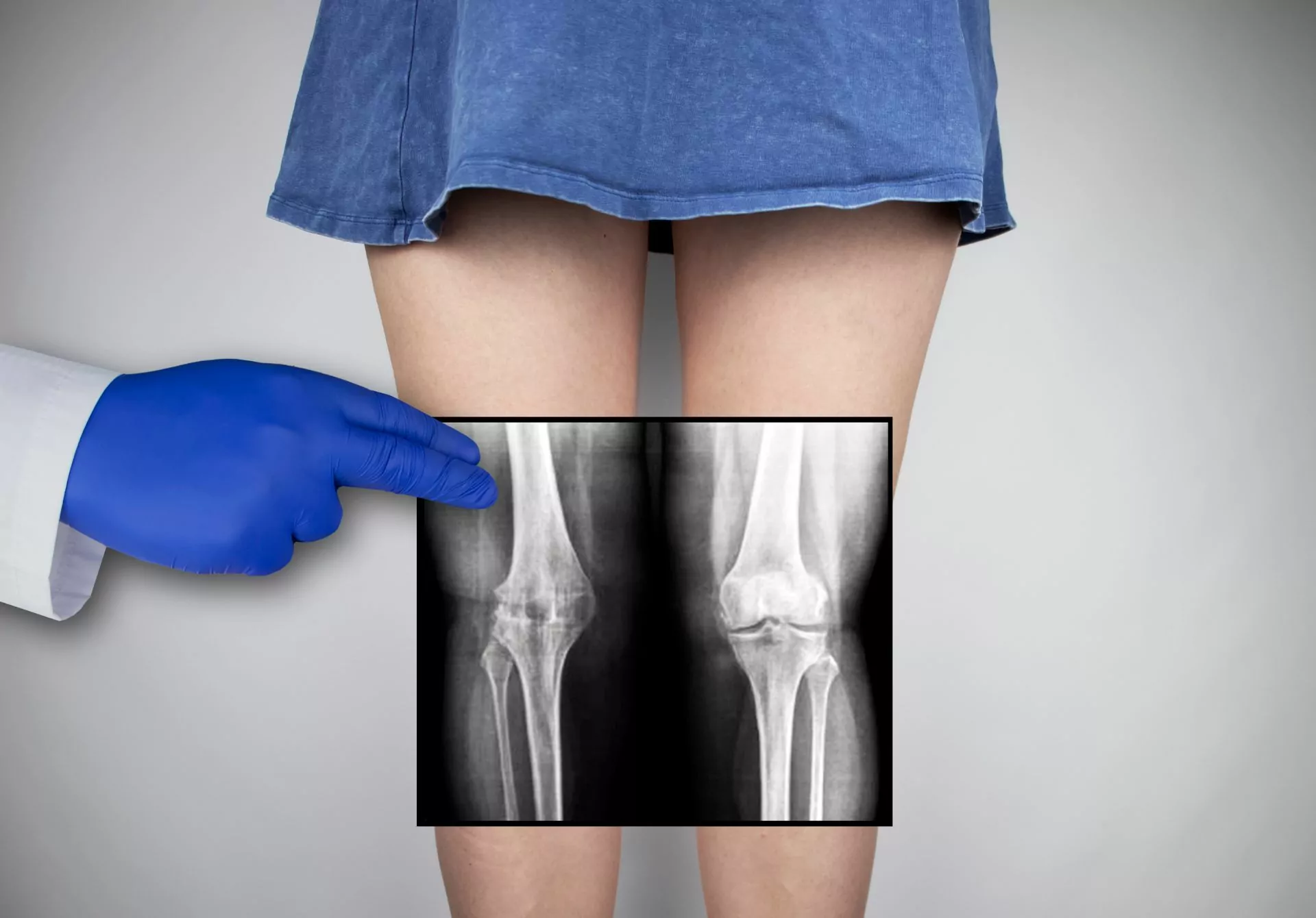

Keeping your bones strong is crucial for staying active and avoiding painful fractures as you age. While many people don’t think about bone health until later in life, it’s never too early—or too late—to start taking care of your skeleton. The good news? Strengthening your bones doesn’t have to be complicated. Simple lifestyle changes, diet improvements, and a bit of exercise can make a huge difference. Let’s dive into 10 easy ways to give your bones the love they deserve!
1 Get Enough Calcium
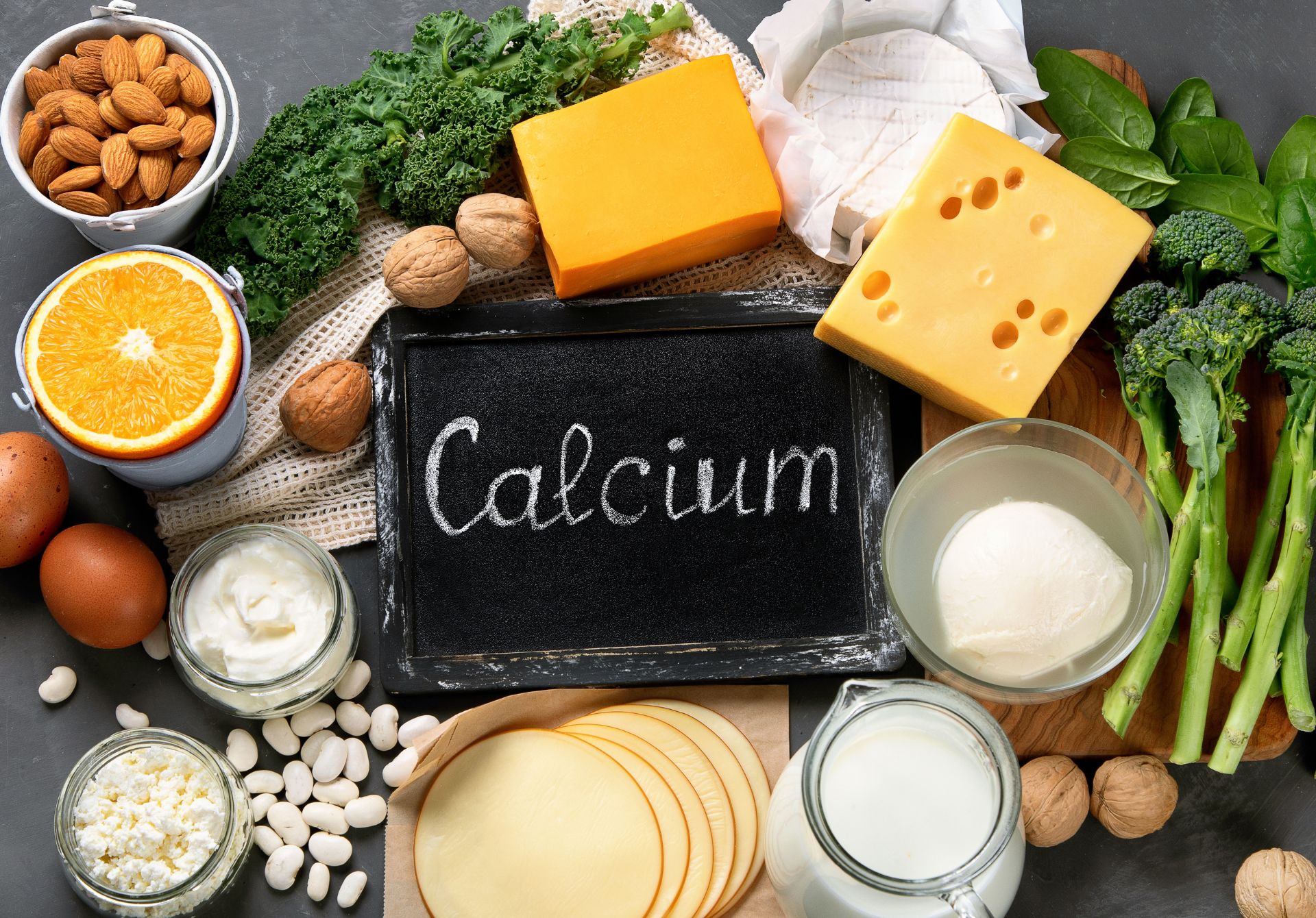

Calcium is the building block of strong bones, and you need a good amount of it daily. Dairy products like milk, yogurt, and cheese are great sources, but so are leafy greens, almonds, and tofu. If you’re lactose intolerant or don’t eat dairy, consider calcium-fortified foods or supplements.
Your body can’t produce calcium on its own, so it’s essential to get enough from your diet. Aim for about 1,000 mg per day, and even more if you’re over 50.
2 Don’t Forget About Vitamin D
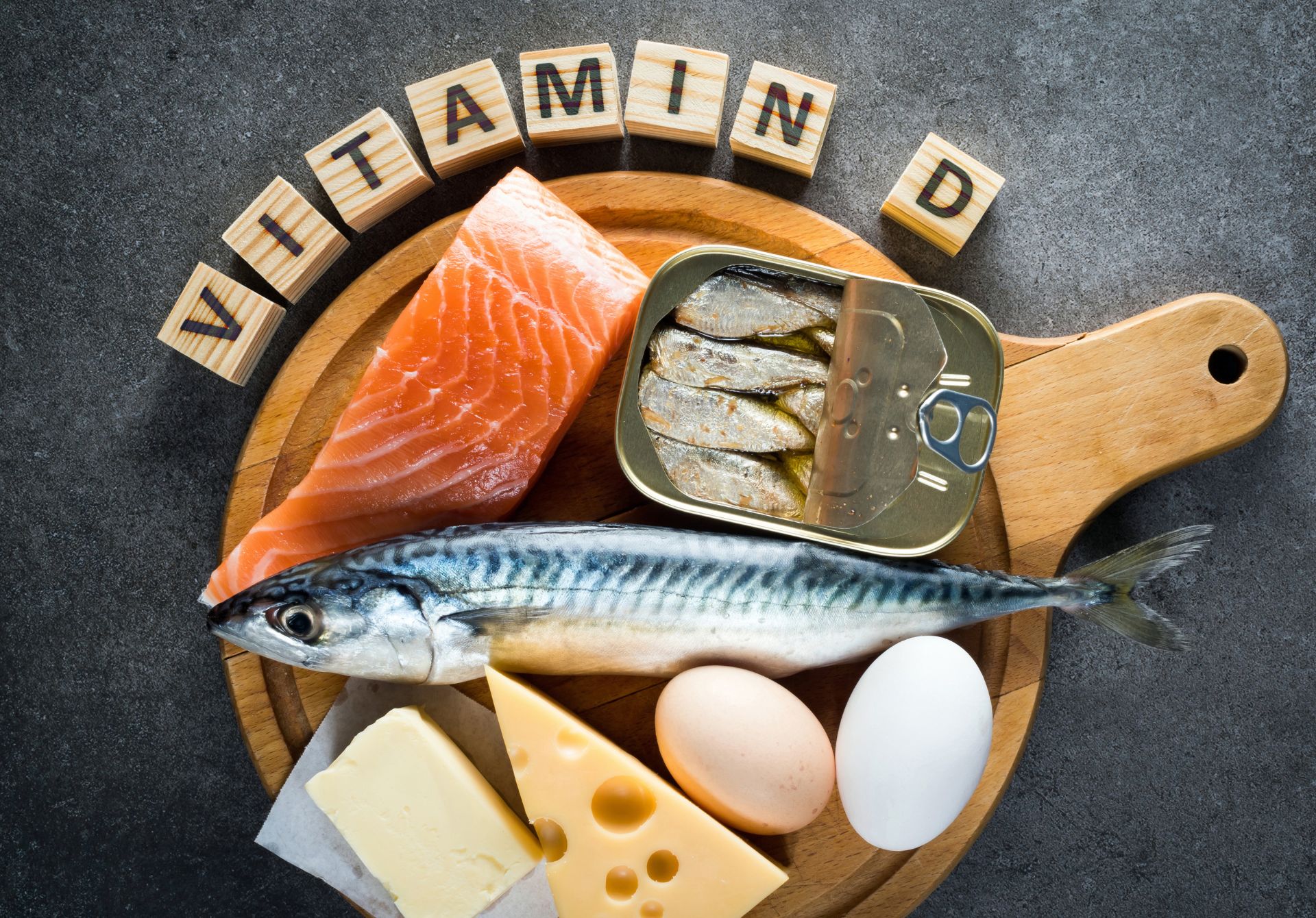

Vitamin D helps your body absorb calcium, making it just as important as the mineral itself. Sunlight is a great natural source, but depending on where you live, you might not get enough. Fatty fish, eggs, and fortified foods like cereals and orange juice can help boost your levels.
If you’re unsure whether you’re getting enough, a simple blood test can tell you. Many people, especially in colder climates, need supplements to reach the recommended 600–800 IU per day.
Read also – 8 Herbal Teas for Good Sleep
3 Exercise Regularly


Your bones get stronger when you use them, so staying active is key. Weight-bearing exercises like walking, jogging, and dancing put pressure on your bones, making them denser. Strength training, such as lifting weights or doing resistance exercises, also helps keep bones strong.
Even activities like yoga and Pilates can improve balance and flexibility. Aim for at least 30 minutes of exercise most days of the week.
4 Eat Plenty of Protein
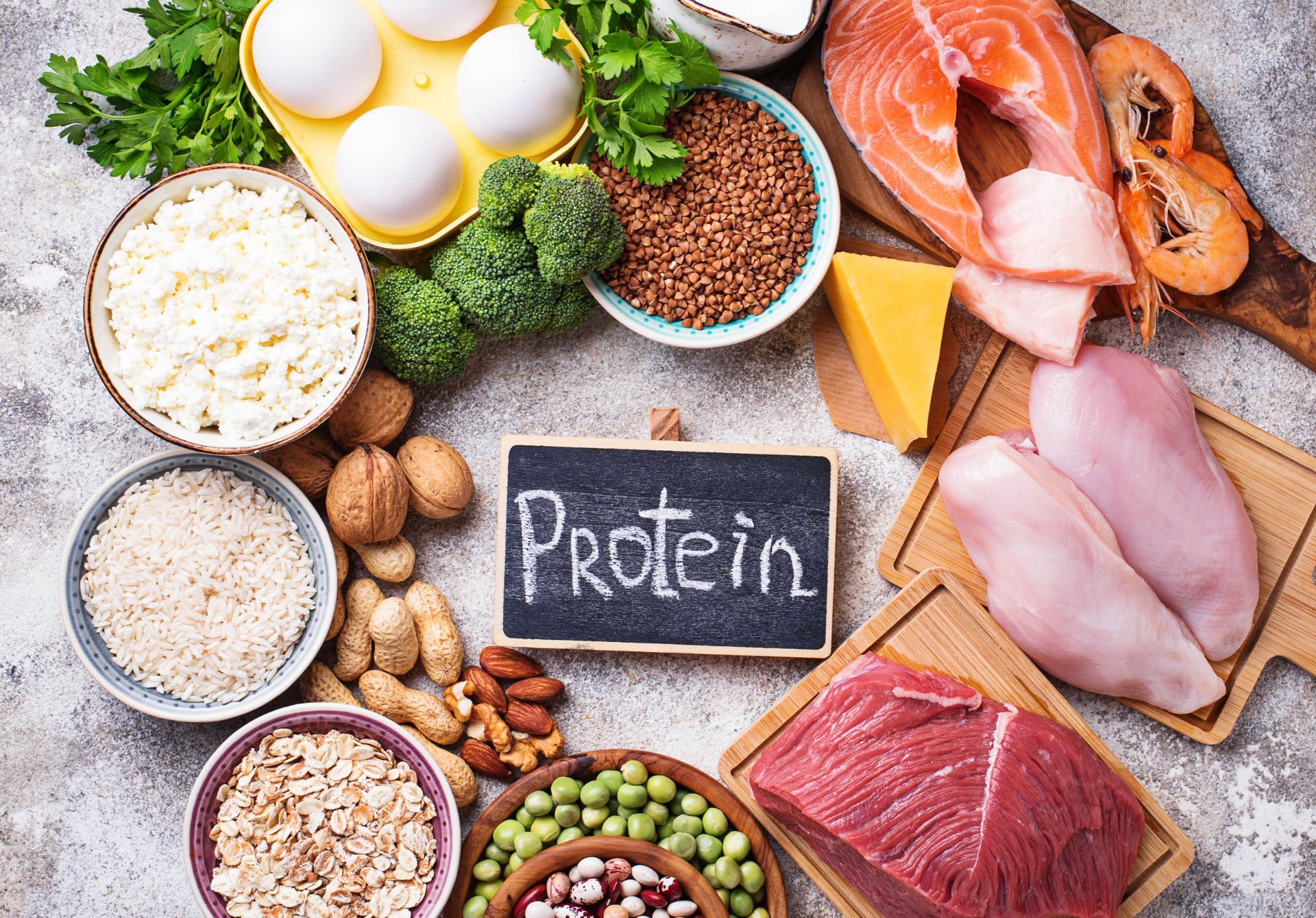

Protein isn’t just for muscles—it’s also important for bone strength. About half of your bone mass is made of protein, so eating enough is essential.
Lean meats, poultry, fish, beans, and nuts are great sources. If you don’t eat enough protein, your bones can weaken over time. Try to include a source of protein in every meal to maintain bone density.
5 Cut Back on Soda and Processed Foods
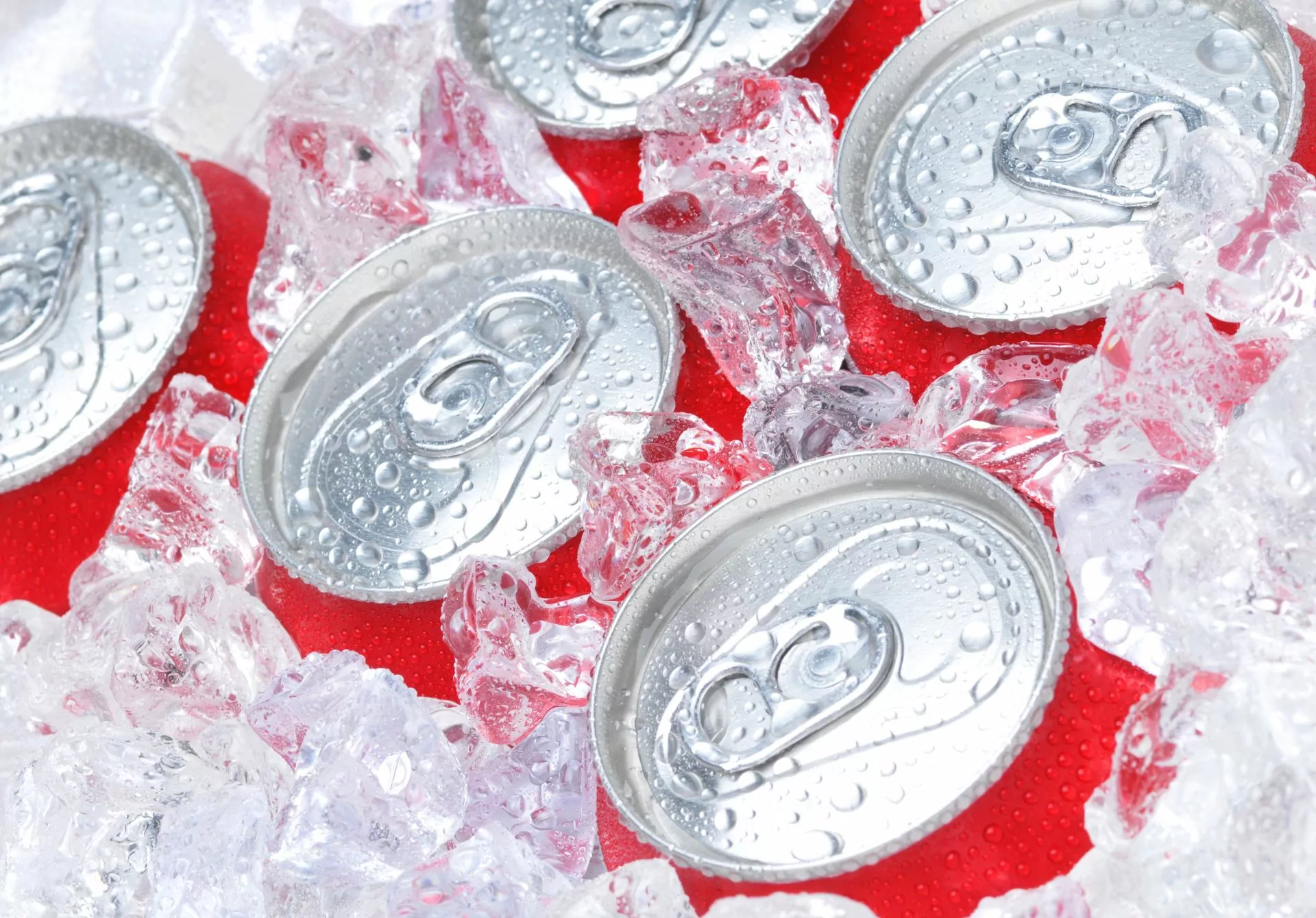

Soda, especially dark colas, contains phosphoric acid, which can interfere with calcium absorption. Highly processed foods are often low in nutrients that support bone health. Instead, focus on whole foods like fruits, vegetables, lean proteins, and whole grains.
A diet rich in vitamins and minerals will help keep your bones strong and prevent issues down the road. Plus, cutting out junk food benefits your overall health in many other ways!
Read also – 15 Health Benefits of Almonds You Didn`t Know
6 Maintain a Healthy Weight
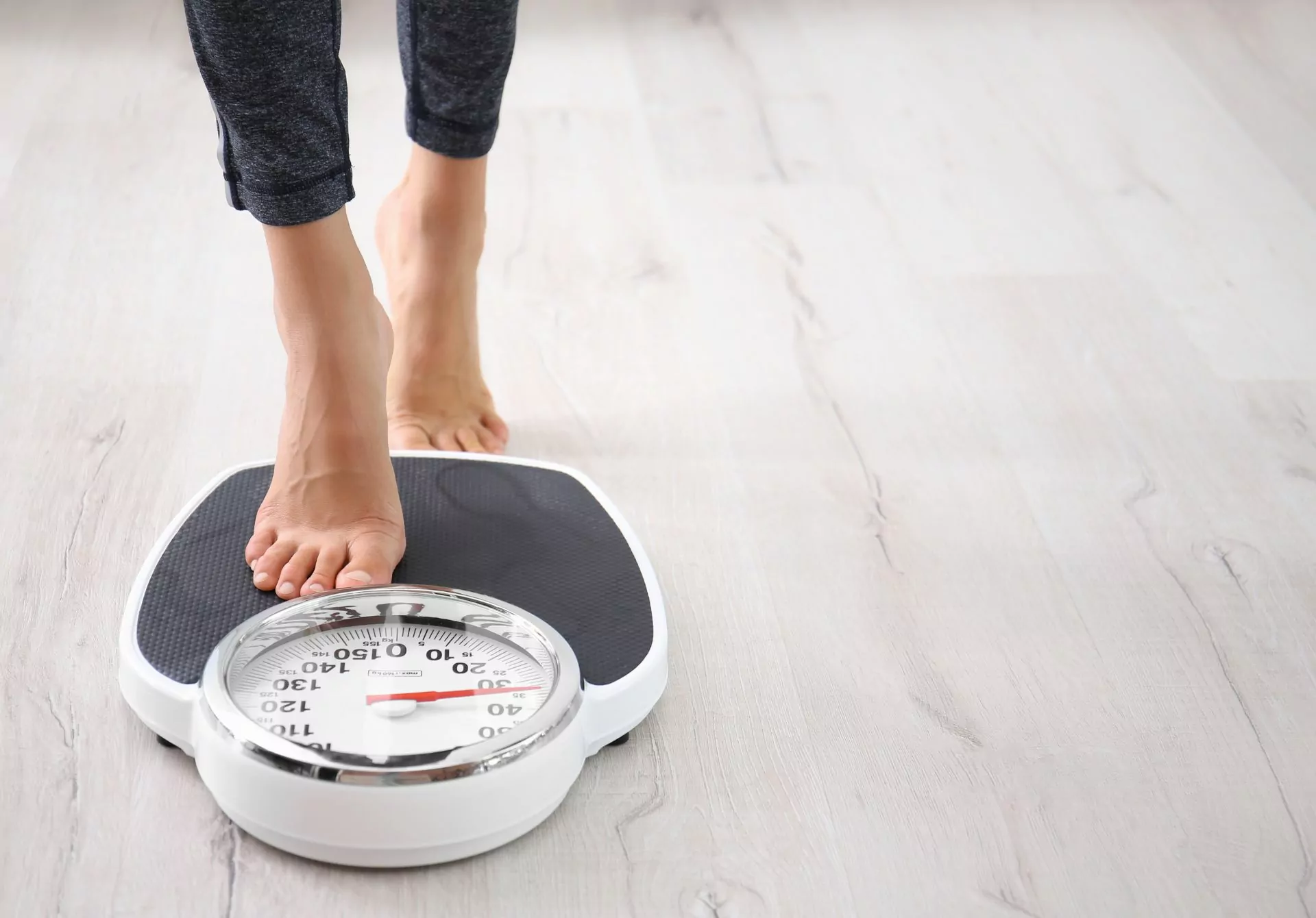

Being too thin can weaken your bones, while being overweight puts extra stress on them. Extreme dieting or excessive weight loss can lead to bone loss, while carrying too much weight increases your risk of fractures.
Focus on eating a balanced diet and exercising regularly to maintain a healthy weight. Your bones will thank you for it!
7 Quit Smoking and Limit Alcohol


Smoking is terrible for your bones, as it reduces blood flow and slows down the production of bone-forming cells. Heavy alcohol consumption also weakens bones over time. If you smoke, quitting is one of the best things you can do for your bone health (and your overall health!).
When it comes to alcohol, moderation is key—limit yourself to one drink a day for women and two for men.
Read also – 10 Potassium Rich Foods
8 Get Enough Magnesium and Zinc
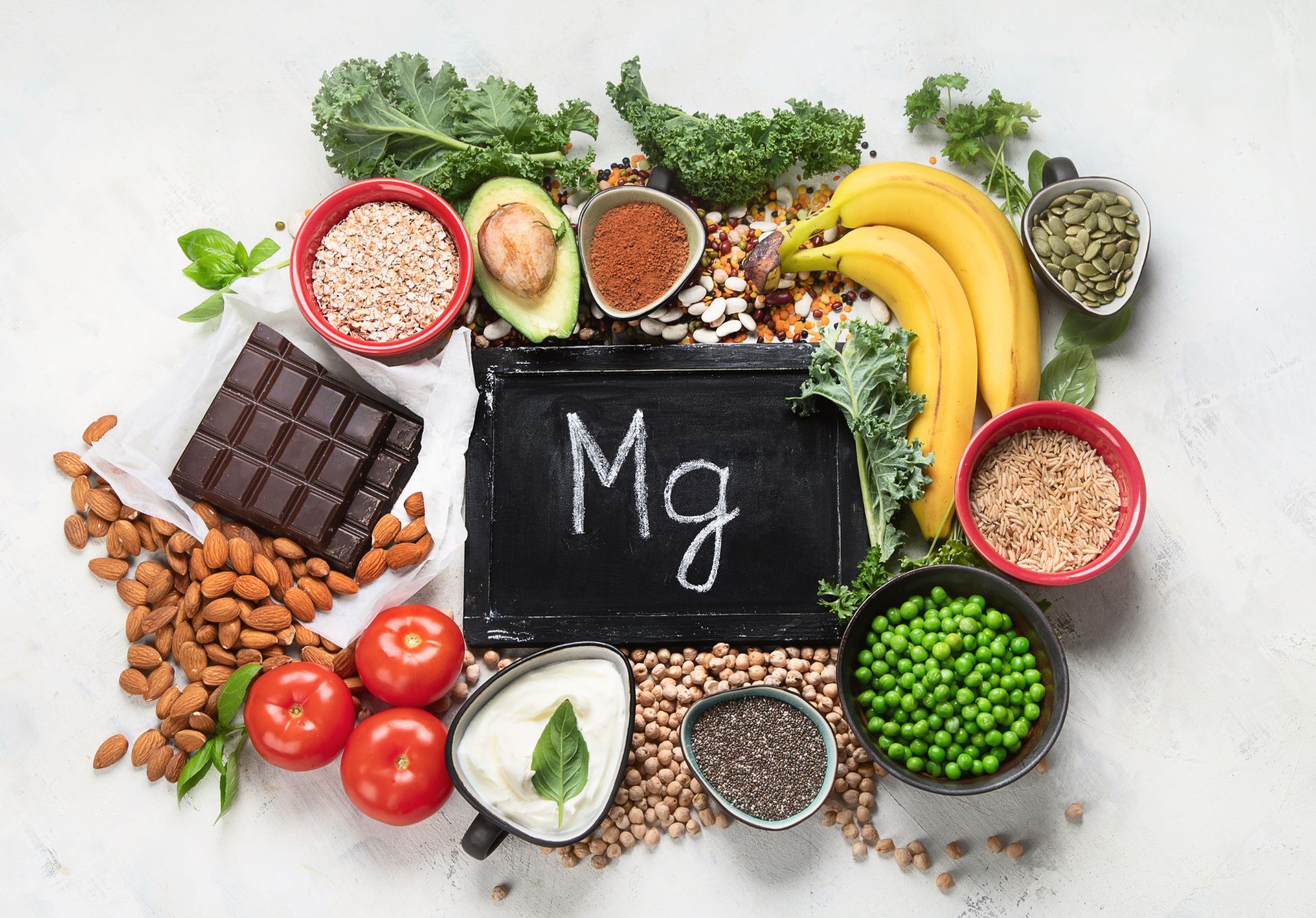

Magnesium helps convert vitamin D into its active form, while zinc plays a role in bone formation. Nuts, seeds, whole grains, and dark leafy greens are rich in magnesium, while meat, shellfish, and beans provide zinc.
If your diet is lacking, consider taking a supplement, but always check with a doctor first. These minerals are small but mighty when it comes to bone health!
9 Reduce Stress and Get Enough Sleep


Chronic stress increases cortisol levels, which can lead to bone loss over time. Poor sleep is also linked to lower bone density. Try to manage stress through activities like meditation, exercise, or spending time with loved ones.
Aim for 7–9 hours of quality sleep each night to give your bones the rest they need to rebuild and stay strong. Your entire body benefits when you prioritize rest and relaxation.
10 Have Regular Bone Density Tests


As you age, checking your bone density becomes more important. A simple bone density test can help assess your risk of osteoporosis and fractures.
If you’re at risk, your doctor can recommend lifestyle changes or medications to prevent further bone loss. Prevention is always easier than treatment, so don’t skip those check-ups!
FAQs
At what age should I start worrying about bone health?
It’s never too early to start! Bone mass builds up until around age 30, so focusing on bone health in your younger years helps set you up for the future. However, even if you’re older, you can still improve bone strength with the right habits.
What are the best exercises for bone health?
Weight-bearing exercises like walking, jogging, and dancing are great for bones. Strength training and resistance exercises also help. Even yoga and balance exercises can reduce the risk of falls and fractures.
How can I tell if I have weak bones?
Many people don’t realize they have weak bones until they suffer a fracture. If you’re concerned, a bone density test can give you a clear picture of your bone health. Talk to your doctor if you have risk factors like a family history of osteoporosis, poor diet, or a sedentary lifestyle.
