
10 Health Benefits of Miso
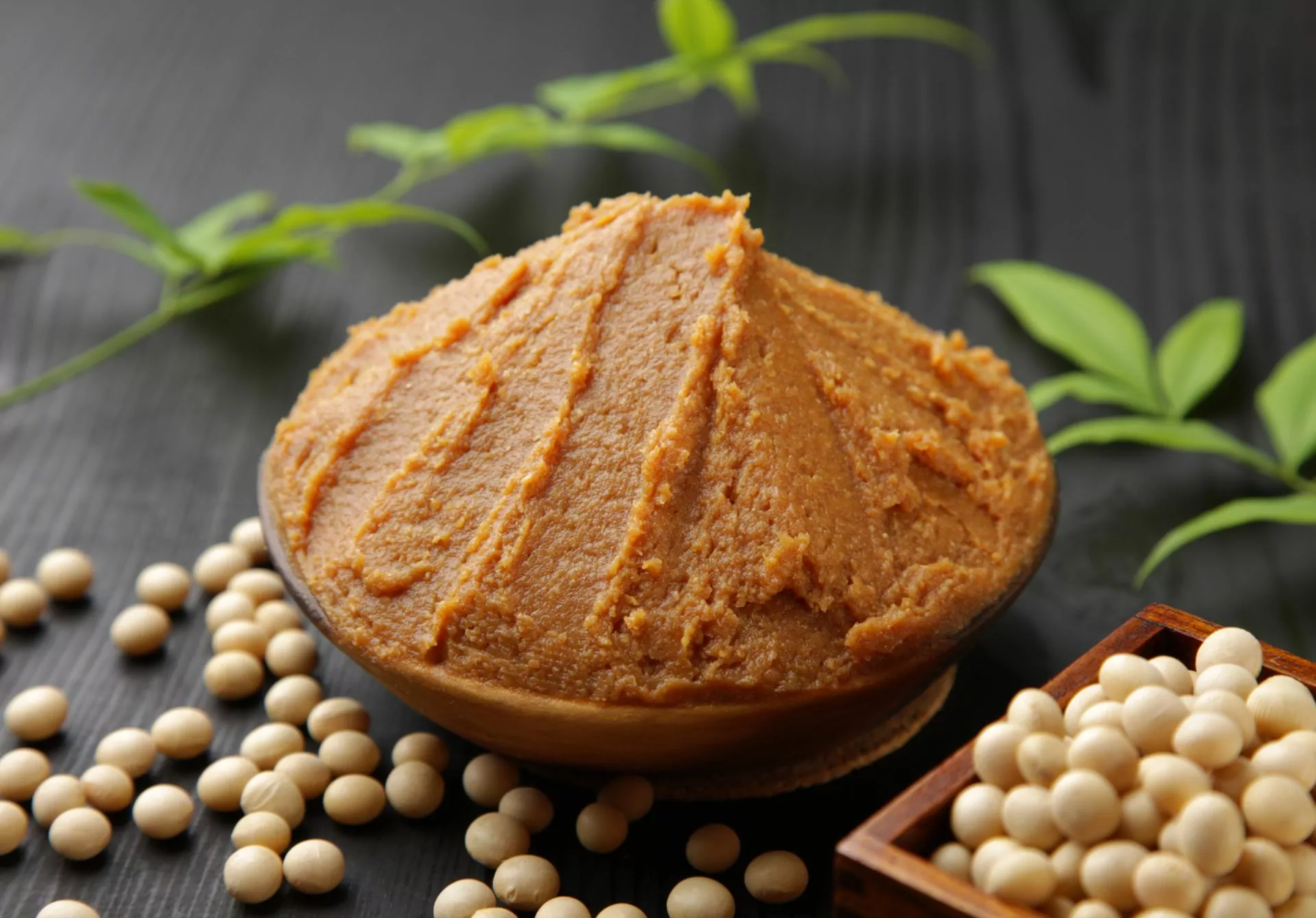

Miso is a traditional Japanese seasoning made from fermented soybeans, rice or barley. It is not only a versatile ingredient but also a nutritional powerhouse which packed with essential nutrients and beneficial bacteria, miso has been a staple in Japanese cuisine for centuries. Below, we explore ten health benefits of incorporating miso into your diet.
1 Rich in Probiotics
Miso is a fermented food with a wide range of probiotics that helps improve digestion, boost nutrient absorption and support the immune system.
Regular consumption of miso may also help reduce symptoms of digestive disorders like irritable bowel syndrome. By maintaining a healthy gut microbiome you can experience enhanced overall well-being.
2 Supports Immune Health
The probiotics and other bioactive compounds in miso can strengthen your immune system. A healthy gut microbiome, supported by miso, plays a critical role in defending against infections and illnesses.
Miso contains antioxidants that help fight free radicals, reducing inflammation and promoting better immune response. Incorporating miso into your meals may help you stay healthier during cold and flu seasons.
Read also – Go for Green Onions to Get These 9 Health Benefits
3 Promotes Heart Health
Miso is rich in nutrients like potassium, which can help regulate blood pressure and support cardiovascular health. Despite its high sodium content, studies suggest that miso may not increase blood pressure like other salty foods.
Fermented foods like miso have been associated with improved cholesterol levels and reduced risk of heart disease. Adding miso to your diet can be a great choice when consumed in moderation.
4 Provides Essential Nutrients
Miso is a good source of essential nutrients, including vitamins B2, B6 and K as well as manganese, copper and zinc. These nutrients are crucial for energy production, bone health and immune function. Miso also contains small amounts of protein, making it a valuable addition to vegetarian and vegan diets. Its nutrient density helps support various bodily functions and overall vitality.
5 Aids in Detoxification
The fermentation process of miso creates compounds that support liver function and detoxification. Miso contains glutamic acid and antioxidants that help eliminate toxins and reduce oxidative stress in the body.
Regular consumption of miso may assist the liver in processing harmful substances, promoting better internal balance and can cause a detoxifying effect that can contribute to clearer skin and improved energy levels.
Read also – 7 Fantastic Reasons to Eat Rhubarb All Year Long
6 Supports Bone Health
Miso is a surprising source of vitamin K, which plays a vital role in maintaining bone strength and density. Vitamin K works with calcium to promote bone mineralization, reducing the risk of fractures and osteoporosis.
Miso contains trace minerals like manganese and copper that support bone health. Incorporating miso into your meals can be a simple way to nourish your skeletal system.
7 May Reduce Cancer Risk
Research has shown that the antioxidants and isoflavones in miso may help lower the risk of certain cancers. Isoflavones, a type of plant compound found in soy-based miso, can act as phytoestrogens, which may help reduce hormone-related cancer risks.
Miso’s fermented properties can support cellular repair and protect against DNA damage. While more studies are needed, adding miso to a balanced diet shows promising protective effects.
Read also – 5 Healthy Reasons to Drink Hot Chocolate
8 Enhances Skin Health
The antioxidants in miso help combat free radicals, which are responsible for premature aging and skin damage. Probiotics in miso also support gut health, which has a direct impact on skin clarity and radiance.
By reducing inflammation and promoting hydration, miso can contribute to a glowing complexion. Remember, that regular consumption may improve overall skin elasticity and reduce the appearance of fine lines.
9 Boosts Energy Levels
Miso’s nutrient content, including B vitamins, contributes to better energy production and metabolism, which help convert food into energy, reducing fatigue and improving stamina.
The probiotics in miso support nutrient absorption, ensuring your body gets the most out of the foods you consume. A bowl of miso soup can be an energizing start to your day or a revitalizing mid-day snack.
10 Supports Weight Management
Miso is low in calories but packed with flavor, making it an excellent addition to weight-conscious diets. Its umami taste can enhance the flavor of dishes without the need for excess fats or sugars.
The probiotics in miso may also help regulate metabolism and reduce cravings, supporting healthy weight management. Including miso in balanced meals can help you feel satisfied while maintaining a nutritious diet.
FAQs About Miso
Is miso suitable for people with gluten sensitivity?
Some miso varieties, such as those made with barley, contain gluten. There are gluten-free options available, typically made with soybeans and rice. Always check the label to ensure the miso is gluten-free.
How should miso be stored?
Miso should be stored in an airtight container in the refrigerator. Proper storage helps preserve its flavor and probiotic benefits for several months.
Can I consume miso daily?
Yes, miso can be consumed daily in moderation. Due to its high sodium content, it’s best to balance it with other low-sodium foods and consult a healthcare professional if you have hypertension or kidney issues.
