
8 Good Sources of Calcium


Did you know calcium is the most abundant mineral in your body? It’s essential for strong bones and teeth, helps your muscles contract and even plays a role in blood clotting. Adults need around 1,000 mg of calcium daily, but many of us don’t get enough from our diets.
What’s even cooler? Your body can’t produce calcium, so you’ve got to get it from food. Let’s dive into 8 fantastic sources of calcium that are both delicious and easy to include in your meals.
1 Dairy Products
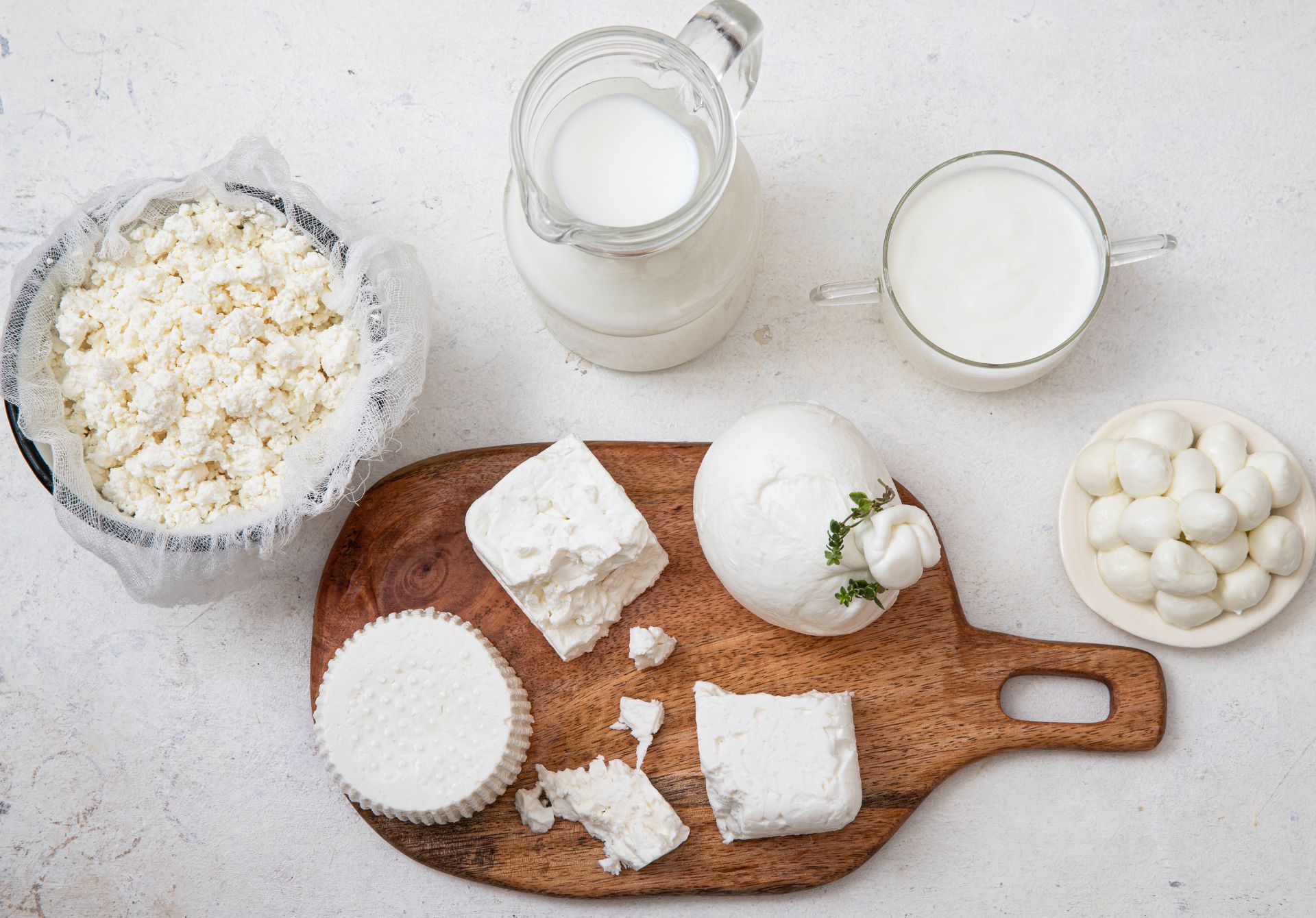
Milk, cheese and yogurt are classic calcium heroes. A single cup of milk gives you around 300 mg of calcium which is a huge chunk of your daily needs. Yogurt, especially the Greek or fortified kind, is a creamy and versatile way to sneak in calcium.
Love cheese? Hard cheeses like Parmesan pack in more calcium than softer ones.
2 Leafy Greens
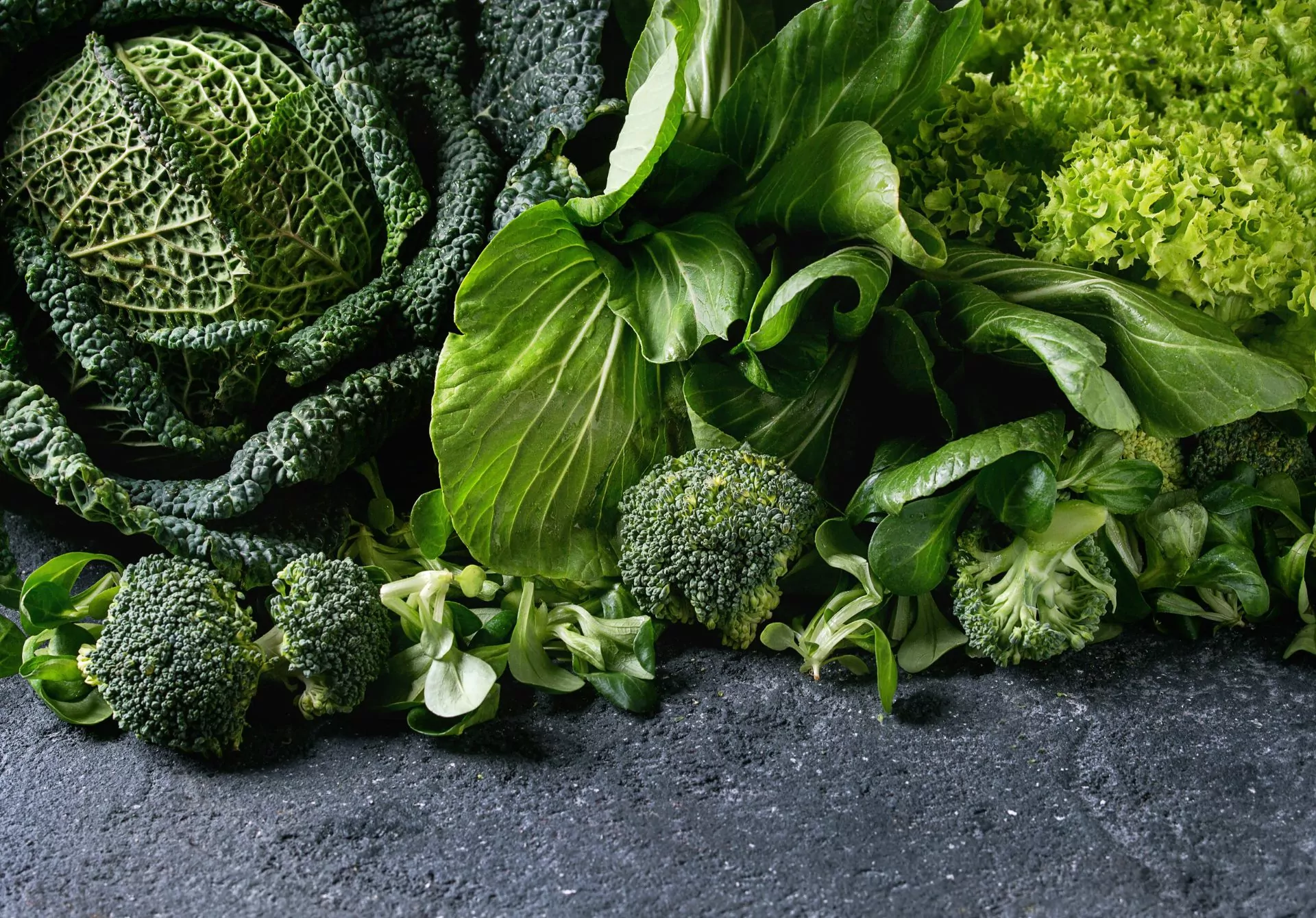
Spinach, kale and collard greens are veggie powerhouses for calcium. Just one cup of cooked collard greens provides about 25% of your daily calcium needs. They’re also loaded with vitamins A and K, making them a nutritious addition to any meal.
Add them to soups, sauté them as a side, or toss them into a salad for a healthy crunch. Pro tip: Pair them with a bit of healthy fat, like olive oil, to absorb the nutrients more effectively.
Read also – 12 Tips on How to Reduce Killer Stress
3 Fortified Plant-Based Milks

If you’re not into dairy, plant-based milks like almond, soy and oat milk can come to the rescue. Many of these are fortified with calcium and even vitamin D, which helps your body absorb the mineral.
A single cup can provide just as much calcium as cow’s milk—sometimes even more! Plus, they come in different flavors, so there’s something for everyone. Try using them in smoothies, cereal, or your morning coffee.
4 Canned Fish

Canned salmon and sardines are more than just convenient; they’re calcium-packed too. The secret lies in the soft, edible bones, which are loaded with this essential mineral. Three ounces of canned salmon can give you over 180 mg of calcium.
Plus, you’re also getting omega-3 fatty acids, which are amazing for your brain and heart. Mash them into spreads, add them to salads, or eat them straight out of the can—no judgment here!
5 Nuts and Seeds
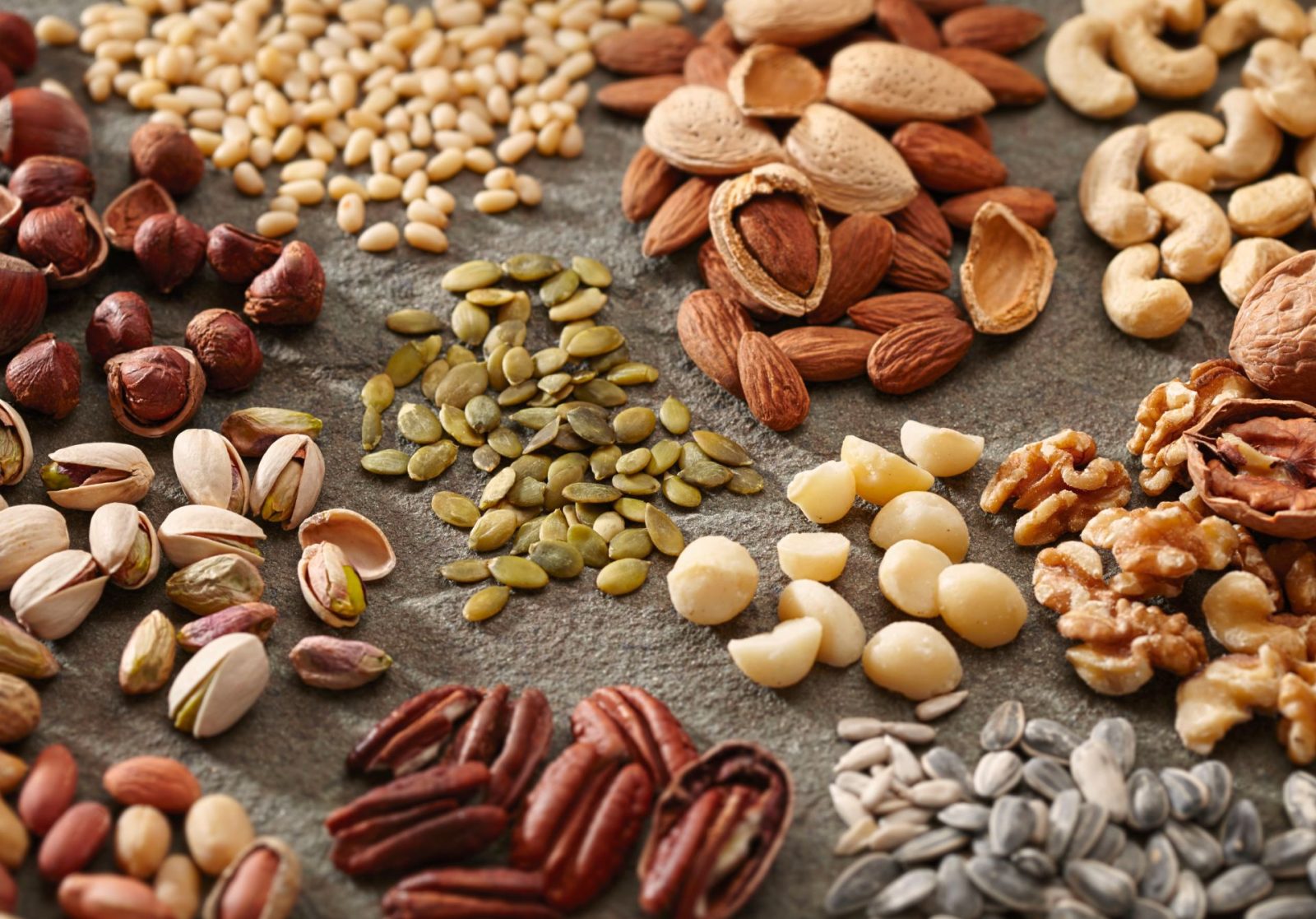
Almonds, chia seeds and sesame seeds are small but mighty when it comes to calcium. Just a handful of almonds (about 23 nuts) has 76 mg of calcium. Chia seeds are also amazing—two tablespoons give you about 179 mg of the mineral.
Sprinkle them over yogurt, oatmeal, or even bake them into your favorite treats. Tahini, a paste made from sesame seeds, is another tasty way to boost your intake.
Read also – 15 Excellent Sources of Vitamin D (Apart from Sunlight)
6 Tofu

Tofu isn’t just for vegans; it’s for calcium lovers too! Many brands of tofu are calcium-set, meaning they use calcium sulfate during the production process. Half a cup of this type of tofu can give you up to 861 mg of calcium—more than you might expect!
It’s also high in protein and incredibly versatile. Stir-fry it, blend it into creamy sauces, or grill it for a hearty addition to your meals.
7 Oranges and Orange Juice

Oranges aren’t just vitamin C superstars; they also contain a decent amount of calcium. A medium orange gives you about 60 mg, but if you go for fortified orange juice, you can get up to 300 mg per cup! It’s a refreshing way to start your day and pair with breakfast.
Fortified juice is also great for kids who might not like traditional calcium-rich foods. Just keep an eye on the sugar content and opt for 100% juice when you can.
Read also – 10 Incredible Health Benefits of Tempeh
8 Beans and Lentils

These plant-based staples are not only affordable but also full of calcium. White beans, for instance, offer about 161 mg per cup. Lentils and chickpeas also contain calcium, along with fiber and protein to keep you full and energized. Add them to soups, stews, or salads for an easy nutrient boost.
Getting enough calcium doesn’t have to be complicated. With these tasty and versatile sources, you can keep your bones and body happy!
FAQs
- How can I tell if I’m not getting enough calcium? Signs of low calcium include brittle nails, muscle cramps and even frequent fractures. If you’re concerned, consult with a healthcare provider.
- Are calcium supplements as effective as food sources? Food is generally the best source of calcium because it’s easier for your body to absorb. Supplements can help if your diet falls short, but consult a doctor first.
- What happens if I consume too much calcium? Too much calcium can lead to kidney stones and interfere with the absorption of other minerals like zinc and iron. Stick to the recommended daily intake unless advised otherwise by a healthcare professional.
