
12 Surprising Health Benefits of Eating Sourdough Bread
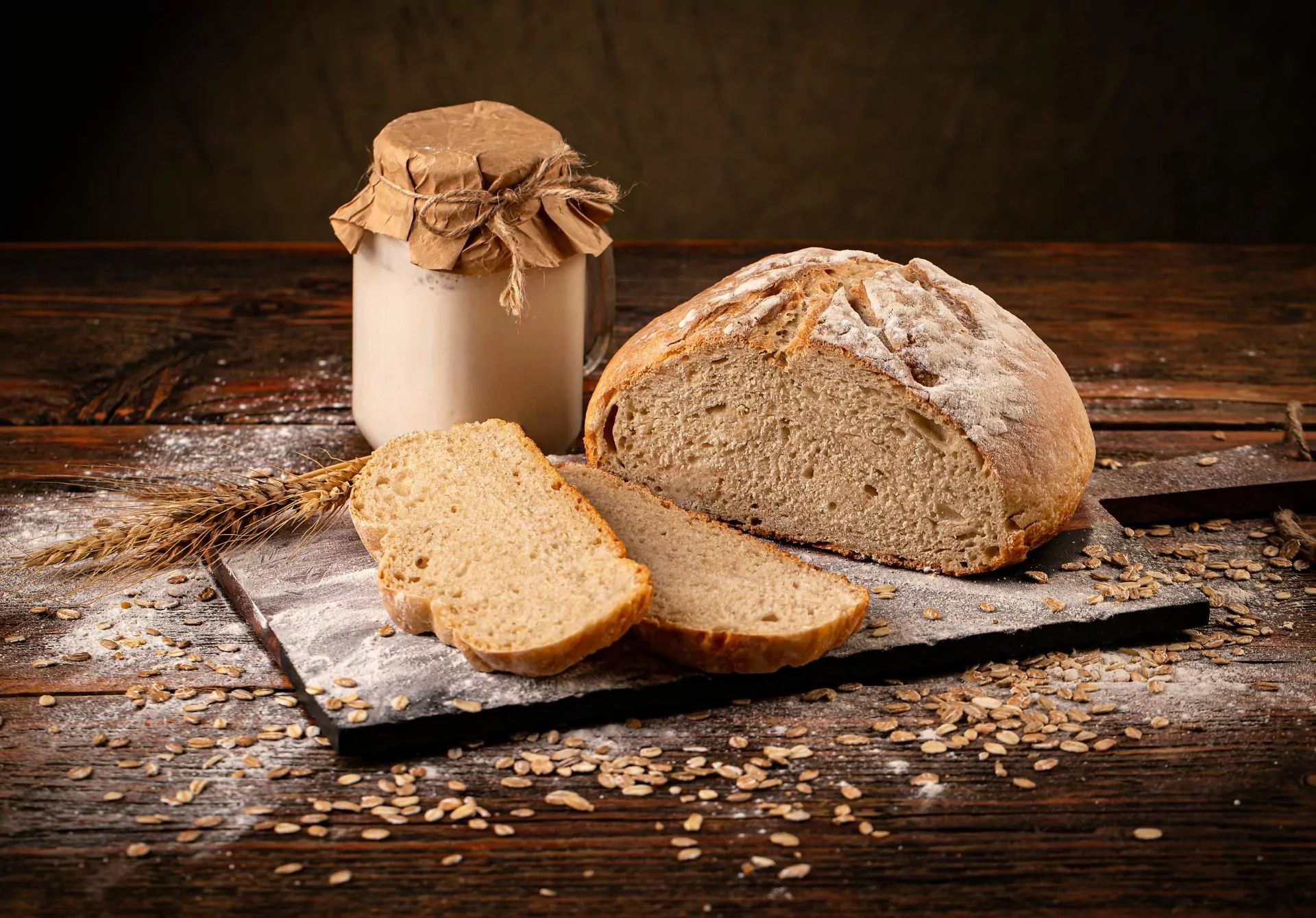

Sourdough bread isn’t just delicious—it’s packed with surprising health benefits that make it a great choice over regular bread. If you love bread but want a healthier option, sourdough might be your new best friend. The unique fermentation process not only gives it a tangy flavor but also boosts its nutritional profile. So, let’s dive into how sourdough helps gut microbiome and digestion!
1 Easier to Digest
Thanks to its natural fermentation, sourdough is much easier on the stomach than regular bread. The wild yeast and bacteria help break down gluten, making it more digestible for people with mild gluten sensitivities.
This process also pre-digests starches, reducing bloating and discomfort. If regular bread leaves you feeling heavy, sourdough might be a gentler alternative. Plus, the longer fermentation means fewer anti-nutrients that can interfere with digestion.
2 Better for Gut Health
Your gut is home to trillions of bacteria that affect everything from digestion to mood. Sourdough’s fermentation process encourages the growth of good bacteria, promoting a healthier gut. While it’s not a probiotic itself, it contains prebiotics—fiber that feeds beneficial gut bacteria.
A healthy gut leads to better digestion, improved immunity and, even a happier mood. So, every slice of sourdough supports your body from the inside out!
Read also – Why Radishes Are a Superfood: 10 Health Benefits
3 Lower Glycemic Index
Unlike regular white bread, sourdough has a lower glycemic index (GI), meaning it won’t spike your blood sugar as quickly. The fermentation process alters the structure of carbohydrates, leading to a slower release of glucose.
This makes it a better choice for people managing diabetes or those who want to avoid energy crashes. Keeping blood sugar levels stable can also reduce cravings and prevent overeating. So, if you want steady energy levels, sourdough is a smart pick. Sourdough bread is in Low glycemic index (GI) breads list.
4 Packed with Nutrients
Sourdough is rich in essential nutrients like B vitamins, iron and magnesium. These vitamins and minerals play a crucial role in energy production, brain function and, overall health. Plus, fermentation makes these nutrients more bioavailable, meaning your body can absorb them more easily.
In comparison, many commercial breads strip away nutrients during processing. Eating sourdough is a delicious way to nourish your body with what it needs.
5 Contains Less Gluten
While it’s not gluten-free, sourdough contains less gluten than traditional bread. The fermentation process partially breaks down gluten proteins, making it easier for some people to tolerate. If you have a mild sensitivity (but not celiac disease), sourdough might be a better option.
Many people report feeling less bloated or uncomfortable after eating it. However, if you have celiac disease, it’s still not safe to consume.
Read also – 10 Health Benefits of Fennel for Your Well-Being
6 Supports Heart Health
Diabetes-friendly sourdough bread lower GI, high fiber content and nutrient profile contribute to better heart health. Fiber helps reduce cholesterol levels, while B vitamins support circulation and heart function. Eating whole grain sourdough is even better, as it contains more fiber and antioxidants.
A heart-healthy diet can lower the risk of heart disease and keep your arteries happy. So, swapping regular bread for sourdough is a step in the right direction! Sourdough bread and heart health are friends :)
7 Fewer Preservatives and Additives
Unlike store-bought bread filled with preservatives, real sourdough is made with just flour, water, and salt. The natural fermentation process extends its shelf life without the need for artificial additives.
This makes it a cleaner, healthier choice for anyone looking to reduce processed foods in their diet. Plus, homemade or artisan sourdough has a rich, authentic taste that factory-made bread just can’t match. Simple ingredients, better health—it’s a win-win!
Read also – 10 Health Benefits of Mushrooms You Must Know
8 Helps with Weight Management
Sourdough’s high fiber content helps you stay fuller for longer, preventing overeating. Since it doesn’t cause rapid blood sugar spikes, it also reduces cravings for sugary snacks. When combined with a balanced diet, sourdough can support weight loss or maintenance.
Choosing whole grain sourdough over white bread adds even more fiber and nutrients. So, if you’re watching your waistline, sourdough bread for weight management is one of the best option.
9 Boosts Immune System
The gut and immune system are closely connected and, sourdough helps strengthen both. The prebiotics in sourdough promote gut health, which in turn supports a stronger immune system. Plus, the vitamins and minerals found in sourdough contribute to overall wellness.
A well-balanced diet, including sourdough, can help your body fight off illnesses more effectively. So, next time you’re feeling under the weather, a slice of sourdough might just help!
10 Rich in Antioxidants
Antioxidants help fight off damage caused by free radicals, reducing inflammation and lowering the risk of chronic diseases. Whole grain sourdough is especially high in antioxidants, thanks to its fermentation process.
These compounds support brain function, skin health and aging gracefully. Choosing sourdough over processed bread means you’re giving your body an extra dose of protection. Who knew bread could be so powerful?
11 Can Improve Mental Health
Good food fuels a good mood and sourdough plays a role in mental well-being. A balanced gut can impact stress levels, anxiety and, even depression. The slow-release carbs in sourdough provide a steady source of energy, keeping mood swings in check.
Plus, its B vitamins support brain function and mental clarity. So, the next time you’re feeling a little off, a wholesome slice of sourdough might help!
12 Great for Fermented Food Lovers
If you already enjoy kombucha, yogurt, or kimchi, adding sourdough to your diet is a natural next step. Fermented foods offer incredible health benefits, from digestion to immunity. Sourdough is a delicious way to enjoy these benefits in a form everyone loves—bread!
Plus, experimenting with homemade sourdough can be a fun and rewarding hobby. Once you start, you might never go back to regular bread!
FAQs
Is sourdough bread gluten-free?
No, sourdough bread still contains gluten, though it has less than traditional bread due to the fermentation process. If you have celiac disease, it’s not safe to eat.
How can I tell if my sourdough is real?
Real sourdough should only have flour, water, salt and, natural fermentation—no commercial yeast or additives. Check the ingredients list or buy from a trusted bakery.
Is sourdough healthier than whole wheat bread?
It depends! Whole grain sourdough offers the benefits of both whole wheat and fermentation, making it an excellent choice. If choosing between white sourdough and whole wheat, the latter may have more fiber.