
How to Teach Boys to Be Gentlemen


Remember the days when men would hold a door open for you as you walk into a store, or open your door to the car for you? I remember in my dating days, and I hated that! I could do it myself, but as I have matured and have two boys I am now raising, I see the importance of boys growing into gentlemen.
Boys need to understand that others should be treated with respect just as they would want to be treated themselves. Teaching our boys to become gentlemen also prepares them for their future marriages. There just are not enough gentlemen in our world, so it is our job to teach them well. How do you teach boys to be gentlemen? Try these ideas.
1. Model Good Behavior


As adults, we play a crucial role in shaping children’s behaviors and attitudes. When it comes to teaching boys to be gentlemen, modeling appropriate behavior is an important first step. We cannot expect boys to exhibit manners and respect if they do not see it being modeled for them in their environment.
When we teach boys to open doors for others, we are not just teaching them chivalry towards girls but respect for everyone. It’s crucial to emphasize the value of valuing and showing respect towards every individual, regardless of their gender or any other defining characteristic. This can create an atmosphere where boys comprehend the impact of their actions and the message they send to those around them.
Pointing out positive examples from others can also reinforce the importance of being a gentleman. When we see someone exhibit good manners or respectful behavior, we can use this as an opportunity to highlight and celebrate it. Instilling these values in boys early on is imperative, as it sets the foundation for them to carry these principles throughout their lives.
2. Explicit Instruction


Providing explicit instruction, we can help boys understand the importance of their actions and develop a deeper appreciation for the impact they can have on others. For example, if we see a young man offering to help an elderly lady with putting her groceries in her car, we can point out why that shows him being a gentleman. We can discuss the benefits that the lady gains from that action, such as feeling valued and respected. We can also encourage boys to consider what the lady might be feeling at that moment and how their actions can have a positive impact on her day.
In addition to teaching the benefits of specific actions, we can also teach boys to be mindful of their behavior in general. We can encourage them to think about how their actions affect those around them and to be considerate of others’ needs and feelings.
Teaching boys to be gentlemen can also involve discussing topics such as consent and healthy relationships. By teaching them to respect boundaries and to communicate effectively, we can help them develop the skills they need to build healthy and respectful relationships throughout their lives.
Read also – Your Parenting Guide to Raising a Strong-Willed Child
3. Encourage Empathy


Encouraging empathy is an essential aspect of teaching boys to be gentlemen. Empathy is the ability to understand and share the feelings of others, which is an important aspect of being respectful, kind, and considerate towards others. When boys learn to empathize with others, they are better able to understand the impact their behavior has on others, and this can help them develop the skills they need to be a gentleman.
Empathy also helps gentlemen develop more meaningful and positive relationships with others. When they are able to understand and connect with the feelings of others, they are more likely to develop trust and build strong relationships based on mutual respect and consideration. This can help boys become more confident and successful in their personal and professional lives, as well as improve their mental and emotional well-being.
This way is not always easy, as guys may be socialized to suppress their emotions or prioritize competition over cooperation. However, there are many strategies parents or guardians can use to encourage empathy in boys, such as encouraging them to listen actively, acknowledge others’ feelings, and take responsibility for their actions.
4. Conflict Resolution
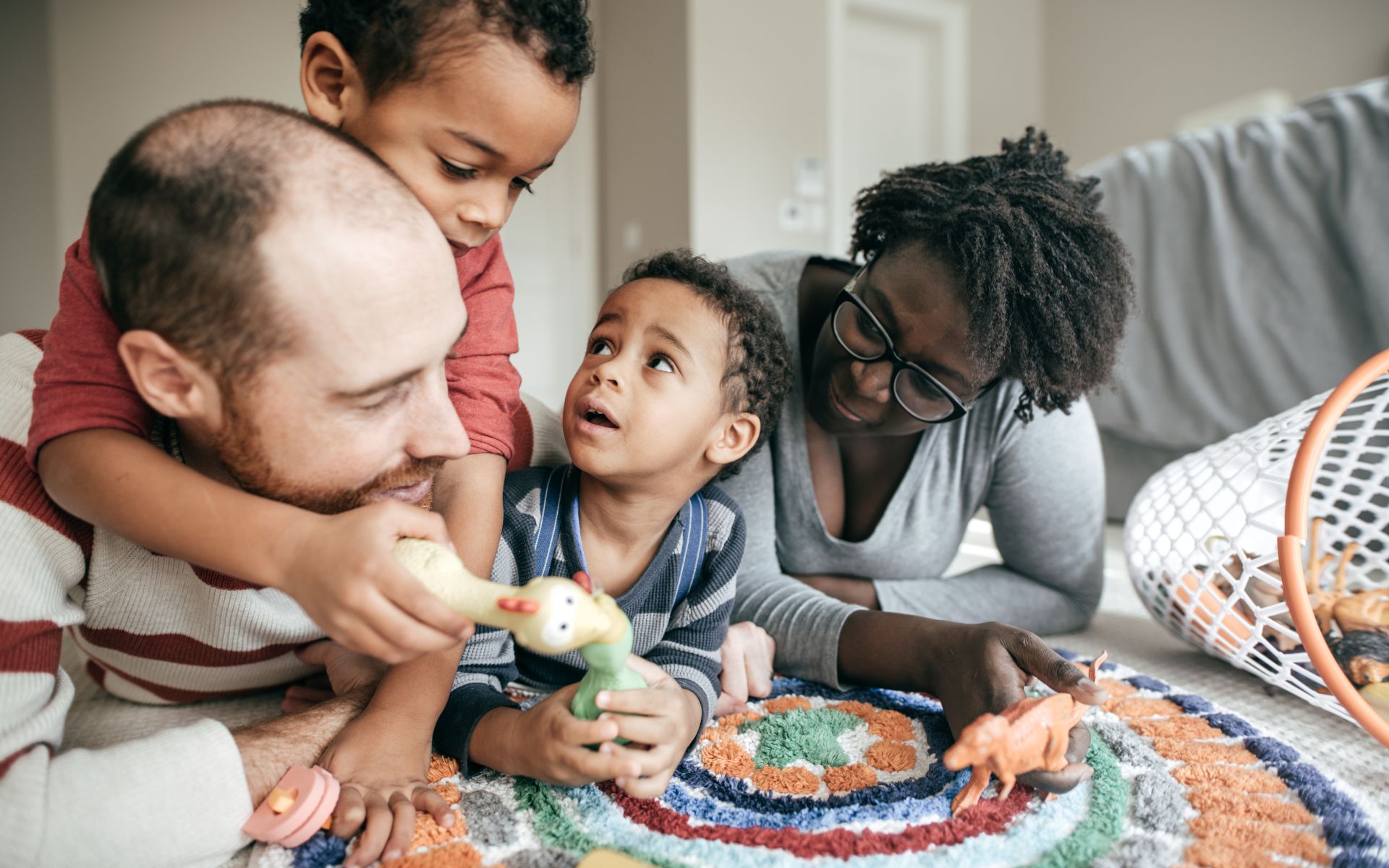

Teaching conflict resolution is an essential skill for boys to learn if we want them to become gentlemen. Conflict is a natural part of life, and boys need to learn how to manage it effectively and respectfully. Conflict resolution skills not only help boys develop stronger relationships but also promote emotional intelligence, empathy, and problem-solving skills, all of which are important for becoming a gentleman.
Conflict resolution skills can help boys learn to communicate effectively, listen actively, and understand others’ perspectives. Conflict resolution skills also promote self-awareness, self-regulation, and emotional intelligence, which can help boys manage their own emotions and respond appropriately to conflicts.
Teaching conflict resolution skills also promotes problem-solving skills, as boys learn to identify the root cause of conflicts and work together to find mutually beneficial solutions. This can help boys develop critical thinking skills and a proactive approach to conflict management rather than simply reacting to conflicts as they arise.
Read also – The Most Harmful and Helpful Types of Parenting
5. Foster Independence


Fostering independence is a critical component of teaching boys to become gentlemen. Independence promotes self-reliance, self-esteem, and self-respect, all of which are essential for boys to develop into respectful and responsible men. When boys are encouraged to be independent, they learn to take responsibility for their actions and make decisions that are in their best interests and those around them.
Encouraging independence also helps boys develop a sense of confidence and competence, which can be essential in developing leadership skills. When they have opportunities to make decisions and take on responsibilities, they learn how to manage themselves and others effectively. This can help them develop a sense of responsibility towards others, which is an important aspect of being a gentleman.
Furthermore, fostering independence promotes problem-solving skills as boys learn to take the initiative and find solutions to challenges they face. When boys are encouraged to think creatively and act independently, they become more resilient and better equipped to face the challenges that life presents.
6. Develop Physical Activity


Developing physical activity is an important aspect of teaching boys to become gentlemen. Physical activity helps boys develop self-discipline, resilience, and perseverance, which are all essential traits of a gentleman. Engaging in physical activity can help boys develop strength, flexibility, and endurance, which in turn can assist in preventing and managing a variety of physical and mental health conditions.
Moreover, physical activity can promote teamwork, communication, and leadership skills, which are all crucial aspects of becoming a gentleman. Boys who engage in physical activity learn to work collaboratively with others towards a common goal, communicate effectively, and lead by example. These skills can help them develop into respectful and responsible men who are capable of inspiring and leading others.
Physical activity also promotes physical health, which is essential for boys to develop into healthy and active adults. When they engage in physical activity, they develop strength, flexibility, and endurance, which can help them prevent and manage a range of physical and mental health conditions. Moreover, physical activity can promote a sense of well-being and reduce stress, which can be crucial in helping boys develop into emotionally resilient and mentally strong individuals.
7. Cultural Awareness


Cultural awareness is an essential aspect of teaching boys to be gentlemen. Cultural awareness refers to the understanding and appreciation of different cultures, values, and beliefs. Boys who are raised to be culturally aware are more likely to respect and appreciate different people’s backgrounds, customs, and traditions. They are also more likely to develop a sense of empathy and understanding towards others, regardless of their race, gender, or social status.
Teaching boys to be gentlemen requires a focus on values such as respect, kindness, and courtesy. These values are not only relevant within one’s own culture but also in interactions with people from different cultures. For example, understanding and respecting different dress codes, religious practices, and social customs can go a long way in fostering good manners and civility. By teaching boys to appreciate and understand different cultures, they are more likely to become respectful and considerate gentlemen who can navigate various social situations with ease.
Furthermore, cultural awareness helps to promote inclusivity and diversity. If boys are educated to recognize and value diverse cultures, it decreases the likelihood of them participating in discriminatory conduct. They become more inclined to welcome diversity and show tolerance towards individuals with varying backgrounds, beliefs, and traditions.
8. Leadership Skills
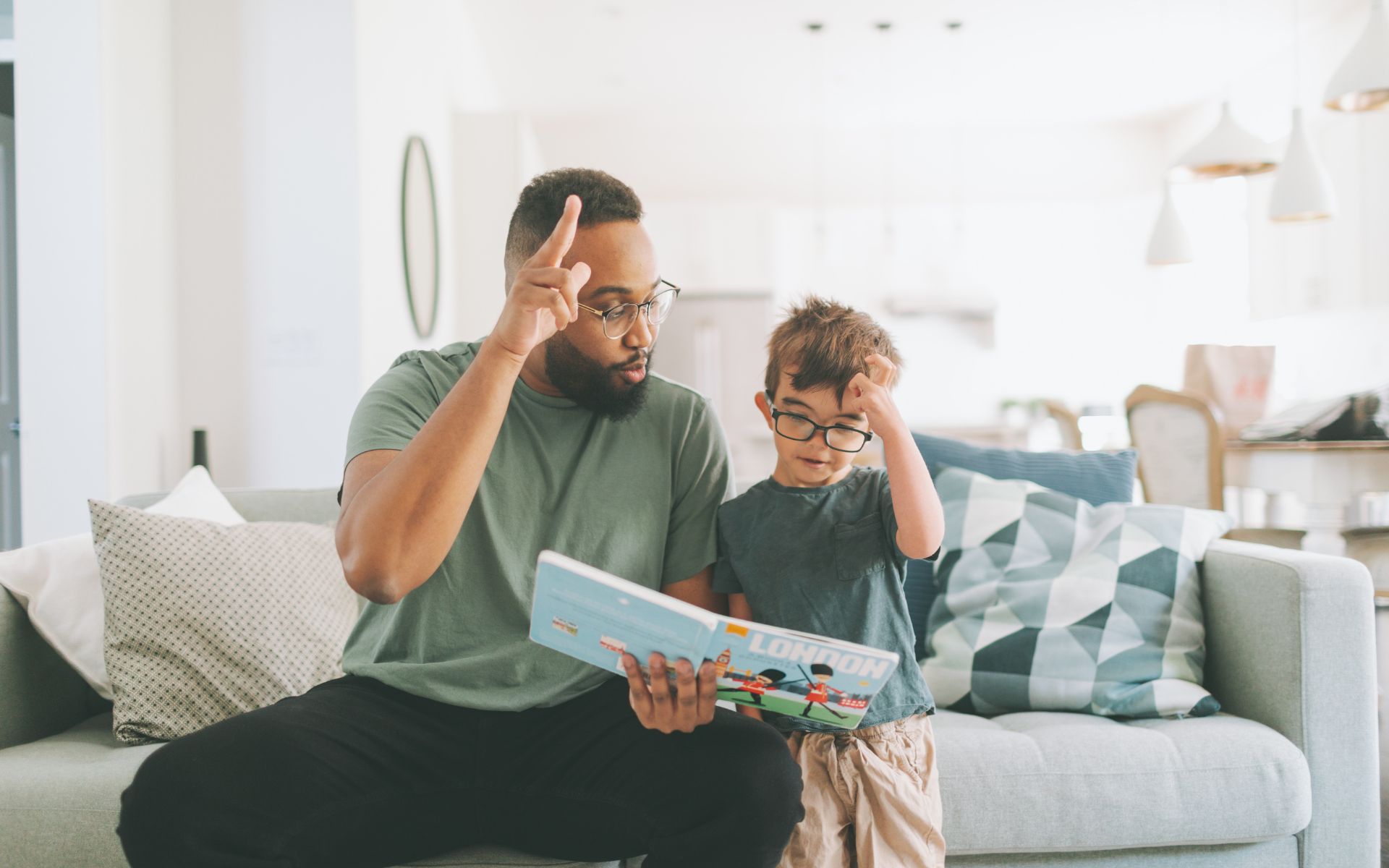

Leadership skills are an essential aspect of teaching boys to be gentlemen. Leadership skills refer to the ability to inspire, motivate, and influence others toward a common goal. Boys who are raised with leadership skills are more likely to develop a sense of responsibility, accountability, and empathy toward others. They are also more likely to develop effective communication and problem-solving skills, which are crucial in being a gentleman.
Teaching boys to be gentlemen requires a focus on values such as integrity, responsibility, and accountability. These values are relevant not only in personal interactions but also in leadership roles. For example, being a gentleman requires one to lead by example and set a positive tone for those around them.
Furthermore, leadership skills help to promote teamwork and collaboration. When boys are taught how to work together towards a common goal, they are more likely to appreciate the value of cooperation and teamwork. This is crucial in developing the skills needed to be a gentleman who can work effectively with others and make positive contributions to their community.
9. Defend and Respect Girls


Defending and respecting girls is a crucial aspect of teaching boys to become gentlemen. In today’s society, gender stereotypes and discrimination continue to exist, and it is important to teach boys to recognize and challenge these societal norms. Boys need to understand that girls are not inferior to them and deserve the same respect, rights, and opportunities as boys do.
By teaching boys to defend and respect girls, we can help them develop empathy, compassion, and an understanding of different perspectives. When boys respect and value girls, they are more likely to treat them with kindness, understanding, and empathy. This can help create a more inclusive and equitable society where everyone is valued and respected, regardless of their gender.
Moreover, defending and respecting girls can help boys develop a sense of responsibility for their actions. Boys need to understand that their words and actions can have a significant impact on girls’ lives and self-esteem. By teaching them to defend and respect girls, we can encourage boys to think before they act and consider the impact of their actions on others.
10. Exclude Foul Language


As society evolves, there is a growing need for people, especially young boys, to understand and practice the importance of proper communication. One aspect of communication that is often overlooked is the use of foul language. Using foul language may seem harmless, but it can have a negative impact on a person’s image and behavior. Therefore, it is essential to teach boys from an early age the significance of never using foul language as a way of becoming gentlemen.
To begin with, the use of foul language portrays a lack of control over one’s emotions. So, using foul language, they express their inability to articulate their thoughts and feelings effectively. As such, they create an image of themselves as individuals who cannot control their emotions, which is not a desirable trait. Teaching boys to express themselves without using foul language helps them develop the skill of communication and control over their emotions.
Furthermore, the use of foul language also has an impact on how boys treat others. Using foul language, they are likely to offend and hurt others’ feelings. This can lead to negative behavior, such as bullying and aggressive behavior toward others.
11. Honesty

When we think of a gentleman, we often imagine someone who is well-dressed, chivalrous, and polite. However, being a gentleman is not just about external appearances and manners. It’s about character and values, and one of the most important values that a gentleman should possess is honesty.
Honesty is a crucial component of any relationship, whether it be personal or professional. It is the foundation upon which trust is built, and without trust, any relationship is bound to fail. Being honest means being truthful and straightforward in our words and actions. It means not lying, deceiving, or withholding information to manipulate or control others.
In a world where dishonesty and deceit are often glamorized and rewarded, choosing, to be honest, can be a difficult and unpopular decision. However, the true mark of a gentleman is the ability to do what is right, even when it is not easy or convenient.
Being honest requires courage and integrity. It means admitting our mistakes and taking responsibility for our actions. It means being transparent and upfront with others, even when the truth may be uncomfortable or unpleasant. It also means being willing to listen to feedback and criticism and to use it to improve ourselves and our relationships.
12. Being Accountable


One of the crucial traits of a gentleman is accountability. Being accountable means taking responsibility for one’s actions, words, and decisions. It is an essential aspect of character that is often overlooked, especially in young boys. Therefore, it is important to teach boys to be accountable from an early age.
The first step to teaching boys accountability is to set clear expectations and boundaries. It means having a set of rules and consequences for actions, whether at home, school or in the community. These boundaries should be enforced consistently so that boys learn that their actions have consequences.
It is also important to teach boys to own up to their mistakes. It is natural to make mistakes, but it takes a gentleman to acknowledge them and make amends. Encouraging boys to take responsibility for their actions is a key step toward developing accountability. It is essential to teach them to apologize and make things right when they do something wrong.
Encourage boys to be responsible for their own learning and growth. This includes taking responsibility for their academic performance, extracurricular activities, and personal development. Help them to set goals and establish a plan to achieve them. This will not only teach them accountability but also provide a sense of purpose and direction.
13. Good Morals


Becoming a gentleman is not just about having good manners or dressing well but also about having a strong moral compass. A gentleman is someone honest, respectful, and compassionate towards others. Therefore, it is essential to lay down moral values to become a gentleman.
Moral values are the principles that guide our actions and decisions. These values help us distinguish between right and wrong and enable us to act ethically and with integrity. Therefore, laying down moral values from an early age is crucial to developing a gentleman’s character.
One of the fundamental moral values is honesty. Being honest means telling the truth, even when it is difficult, and admitting when we have made mistakes. Therefore, it is essential to teach boys to be truthful and transparent in their actions and words. This will enable them to develop trust and respect for others.
Respect is another critical moral value that a gentleman should possess. Respect means treating others with dignity and empathy, regardless of their race, gender, or background. Teaching boys to respect others’ opinions, feelings, and personal space is essential. This will enable them to develop healthy relationships and foster community.
14. Practice

Teaching boys to be gentlemen involves not only modeling and explicit teaching but also providing opportunities for them to practice their skills. Boys may need direction and guidance as to what to do, but allowing them the chance to put their thoughts into action is important for their growth and development.
When boys reach the dating age, it is especially important to remind them of gentlemanly ways. They need to understand that when they are going on a date, they should pick their date up at her front door, meet or talk with her parents, open all doors for her, pull out and push in chairs, and bring her home at the time she is expected to be home. By doing so, they are demonstrating respect and consideration for their date’s feelings and needs.
It is also important to provide feedback and guidance when boys make mistakes or miss opportunities to practice gentlemanly behavior. For example, if a boy does not help his date get into or out of a vehicle, parents or guardians can explain that this is not how to treat a lady and provide guidance on how to do so in the future.
15. Master


Mastering the art of being a gentleman requires practice and repetition. If a boy misses an opportunity to demonstrate his gentlemanly behavior, it is important to provide reteaching and guidance. Parents or guardians can ask the boy what he could have done differently and then explain why it is important to practice. By doing so, the boy will gain a deeper understanding of the impact his actions can have on others and will be better prepared to act appropriately in the future.
Mastery is reached when the desired behavior becomes automatic and done without thought or hesitation. By providing ongoing opportunities for practice and feedback, boys can continue to improve their gentlemanly behavior and eventually achieve mastery. This benefits not only the boys themselves but also those around them, who will benefit from their thoughtful and considerate actions.
It is heartwarming to see boys opening doors for others and demonstrating their gentlemanly behavior. By acknowledging and praising these actions, parents or guardians can reinforce the positive behaviors and encourage boys to continue practicing them. This will not only benefit those around them but also help the boys themselves develop into respectful, kind, and considerate individuals.
I believe that our society is so self-centered nowadays. We need to spend time teaching each other how to treat others. We need to help our boys see that being a gentleman is honorable, respectful, and needed to help others feel valued and respected.