
10 Facts about Elephants
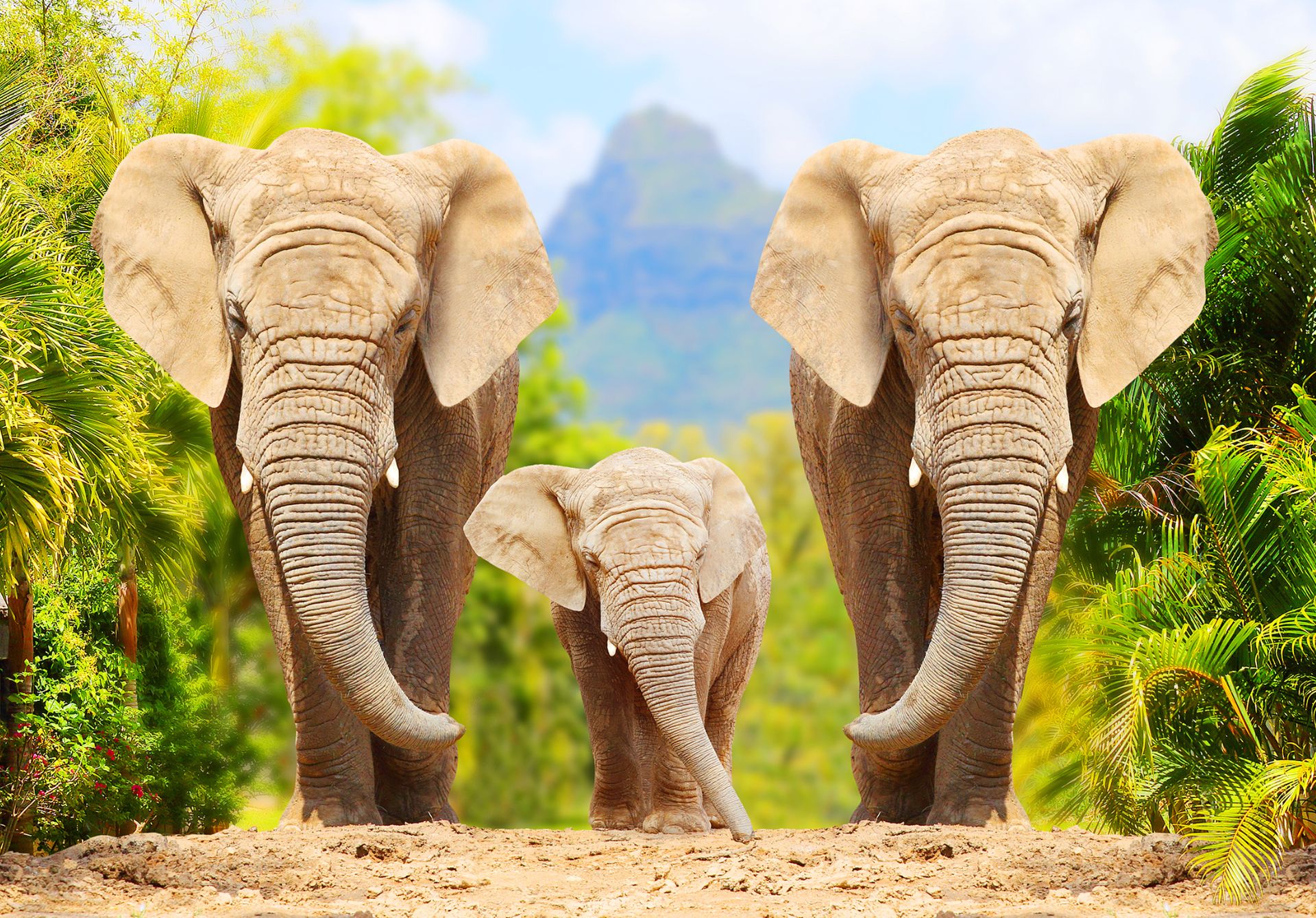

I like elephants; they are cute, huge, and funny looking. They are a big part of many cultures, and they are used as metaphors all around the world. They are associated with wisdom. For many people around the globe, elephants hold some sort of religious value. Of course, not all of us live close enough to elephants to know a lot about them. In fact, most of us have hardly seen them once, twice, or even never.
I will list down ten interesting facts about elephants that you probably didn’t know before. It is said that these poor creatures have had hunters on their tails ever since their tusks became valuable.
1 Elephant Species
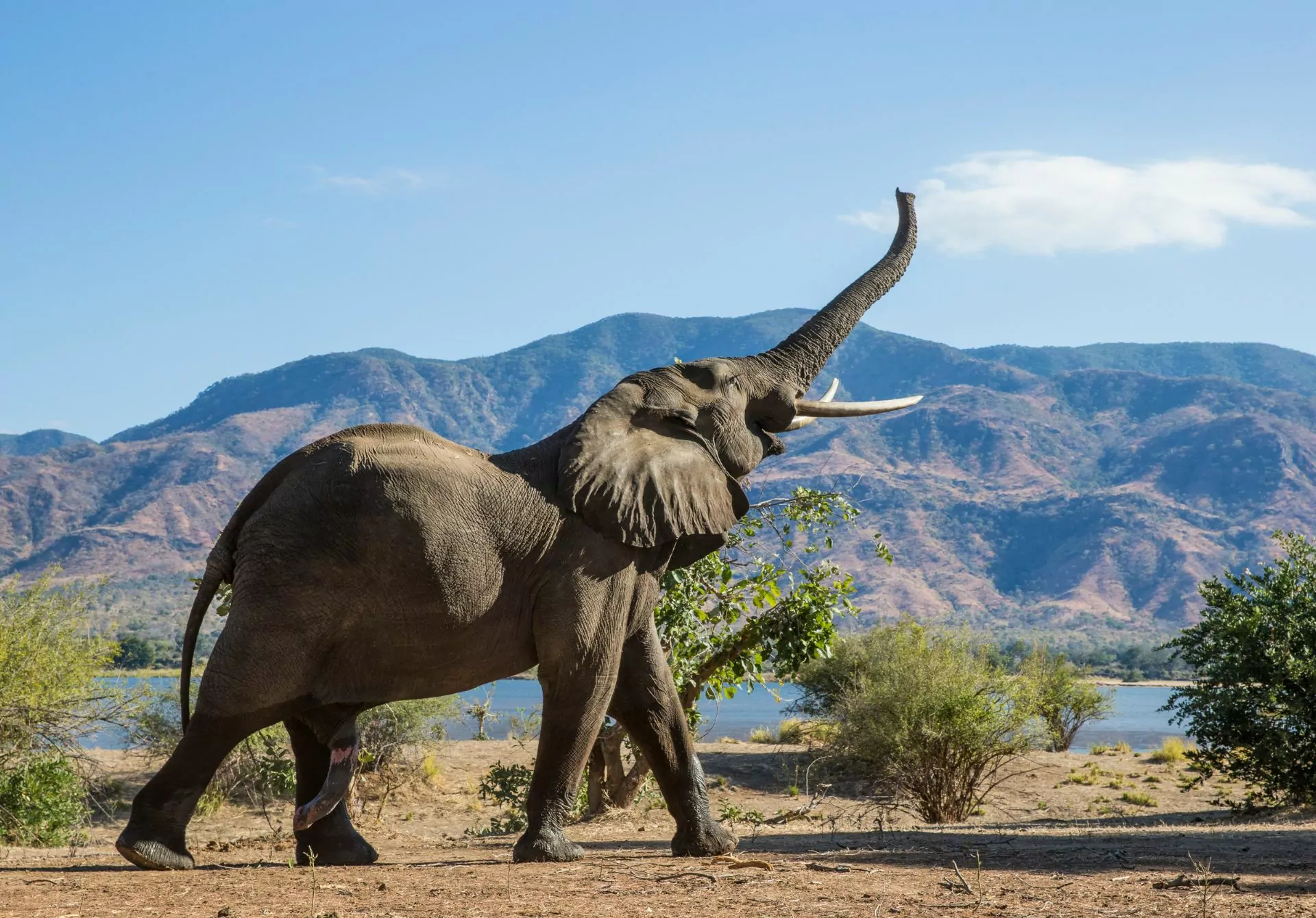

There is one of the most interesting facts about elephants concerns elephant species. Until 2010, only two different species of elephants were recognized. There are new reports now that say that there are at least three different species of these creatures; The Asian Elephant (Alphas Maximus), the African Bush Elephant (Loxodonta Africana), and the African Forest Elephant (Loxodonta Cyclones).
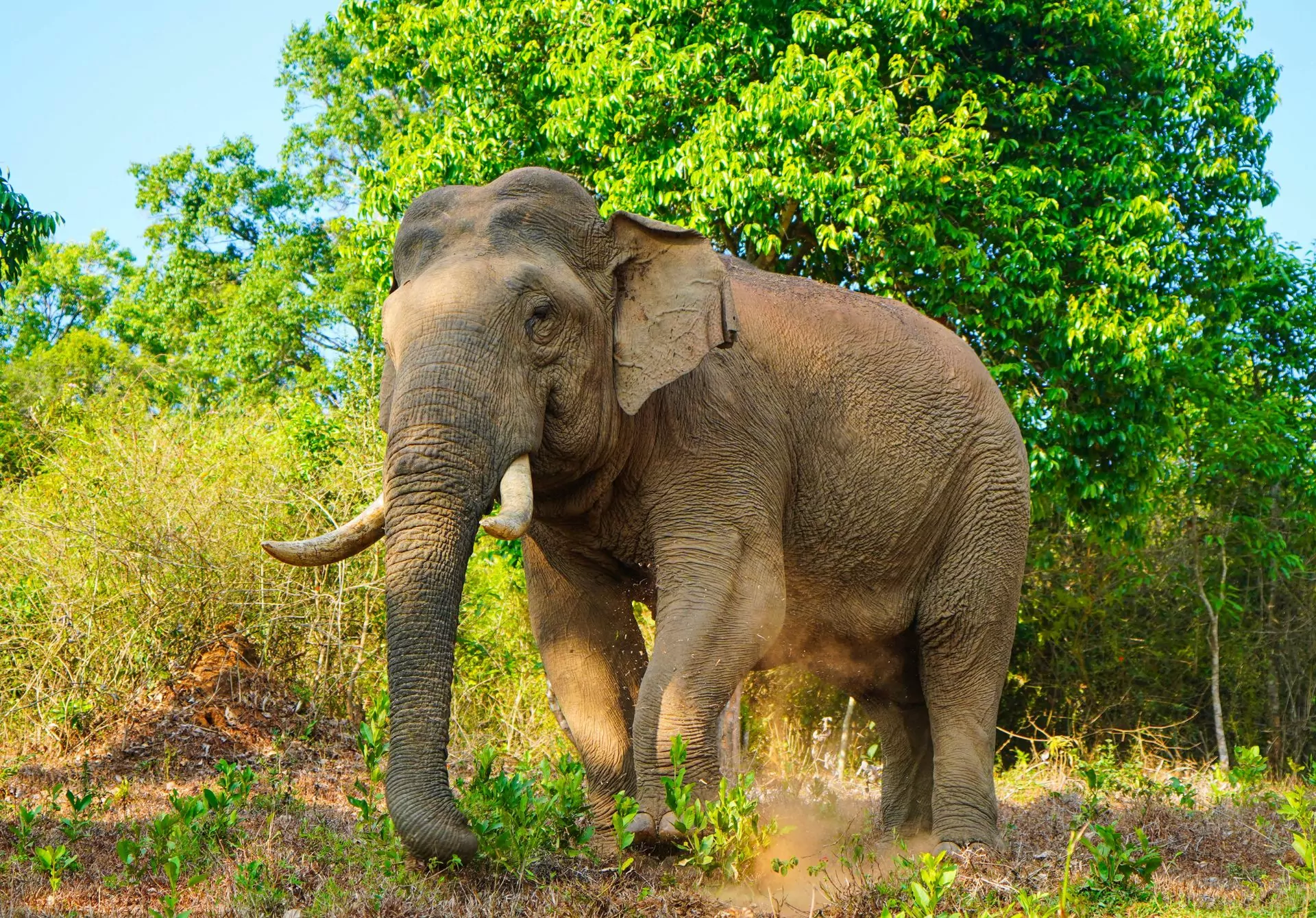
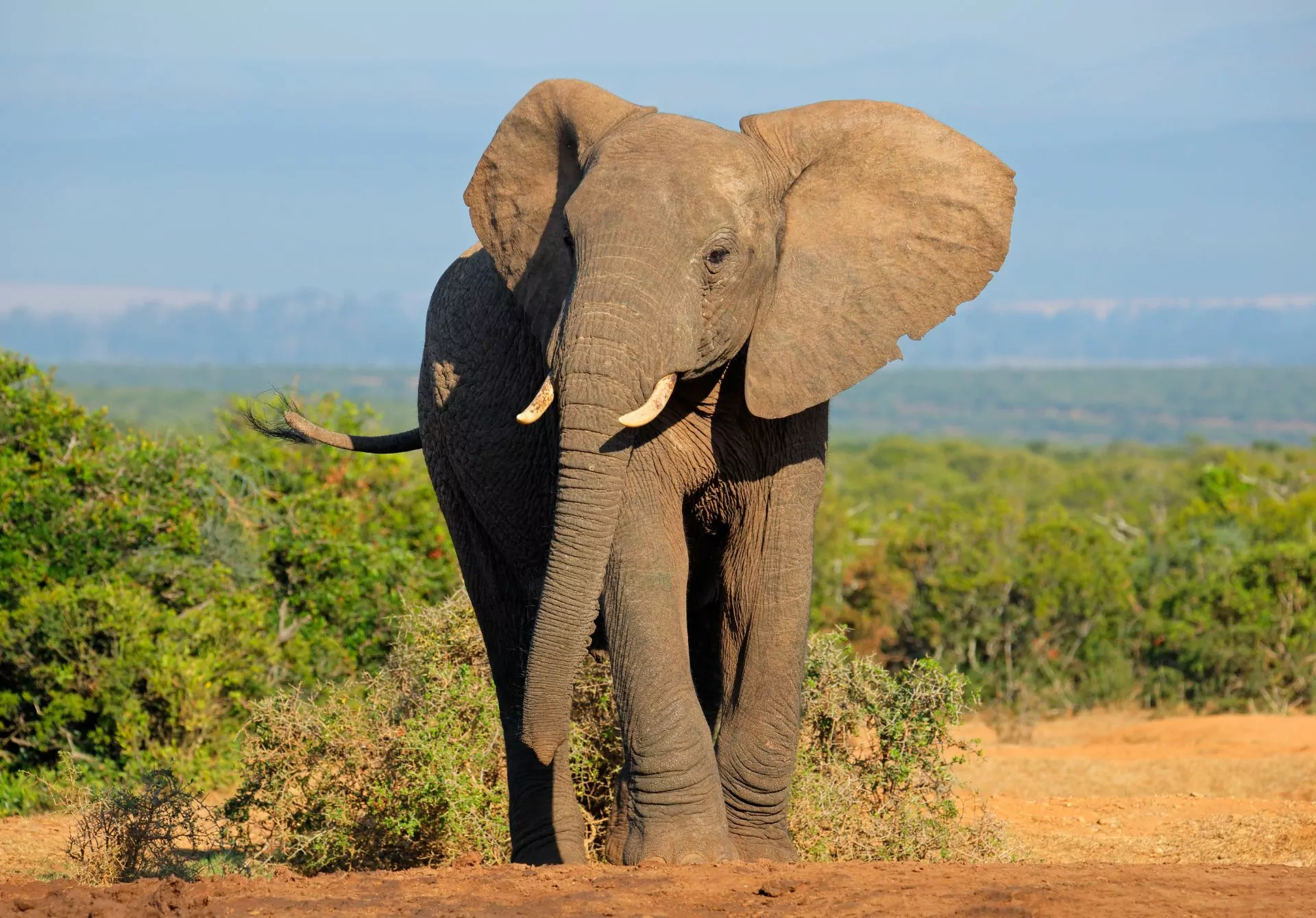
Asian elephants differ from their African counterparts, and there are more than ten physical differences between them. For example, Asian elephants are smaller than their African counterparts, and their ears are smaller compared to the large fan-shaped ears of African species. Only some male Asian elephants have fangs, while male and female African elephants grow fangs.
Read also – 10 Most Unusual Pets You Can Have
The Asian elephant is the smallest and, therefore, has smaller tusks. They are the largest land mammals in Asia. Asian elephants live in the forests of India and Southeast Asia, including Myanmar, Thailand, Cambodia, and Laos. The African Forest Elephant has straighter tusks. The African forest elephant lives in the rainforests of West Africa and along the Congo River basin.
Western science discovered the species only in the 1900s, and just a century later, its population had dwindled to fewer than 30,000 individuals. The Bush Elephant has beautifully curved tusks. This is the largest living land mammal in the world. With a maximum shoulder height of up to 4 meters and a record weight of about 10 tons, the savanna elephant is one of the most impressive animals seen in the wild.
2 Reproduction
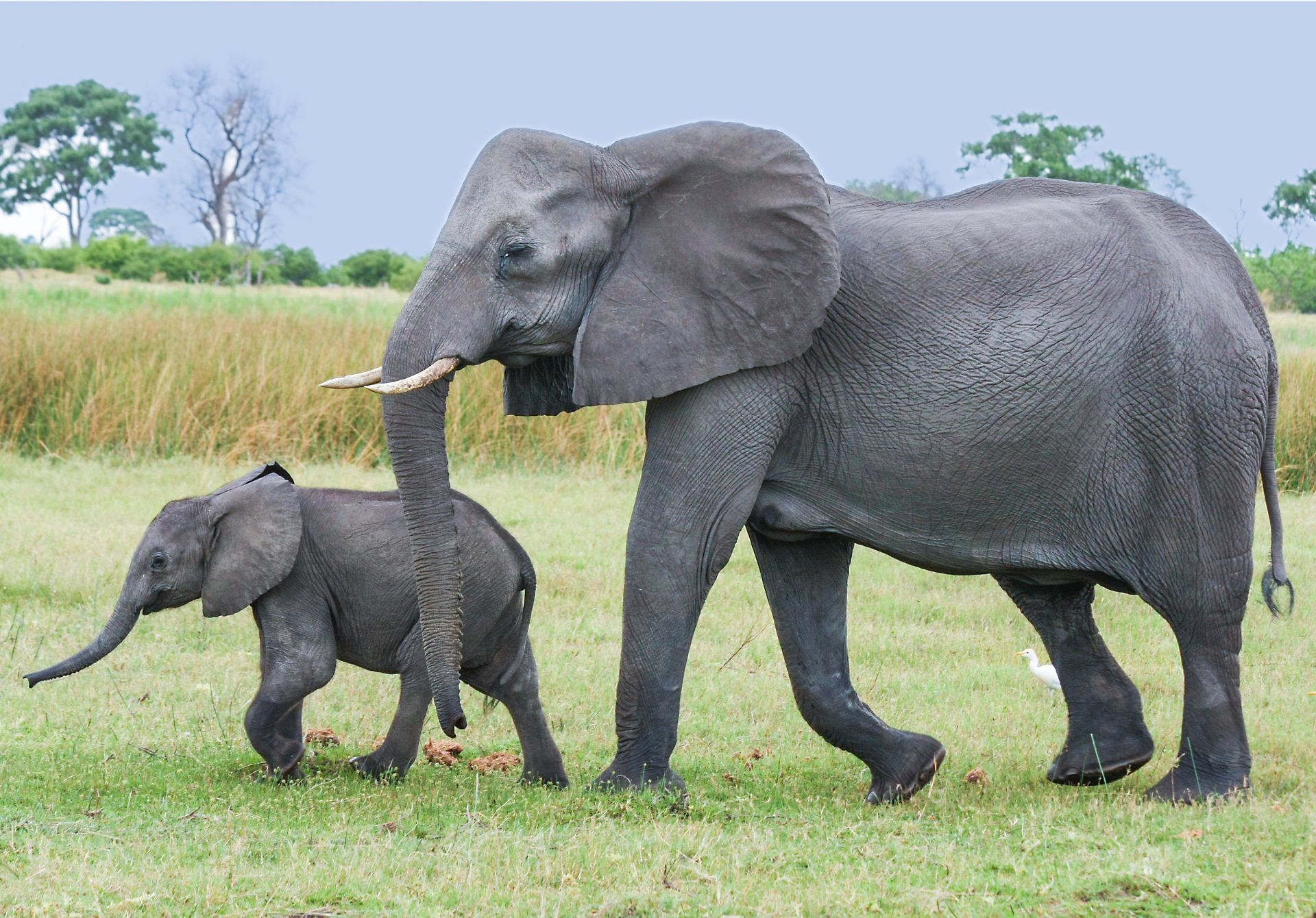

Homosexual elephants mate all year long. An elephant cow (female elephant) is only fertile for a few days in a year. During this time, the males ‘hit’ her. They use various affectionate gestures and nuzzle in the process. If she agrees, she will respond in a similar manner.
Also, one of the interesting facts about elephants is that the elephant cow is usually pregnant for 22 months, and the newborn is around 100 kg and blind. Infants are then taught by their mothers the basic survival course, and the rest they learn as they grow up.
3 Social Lives
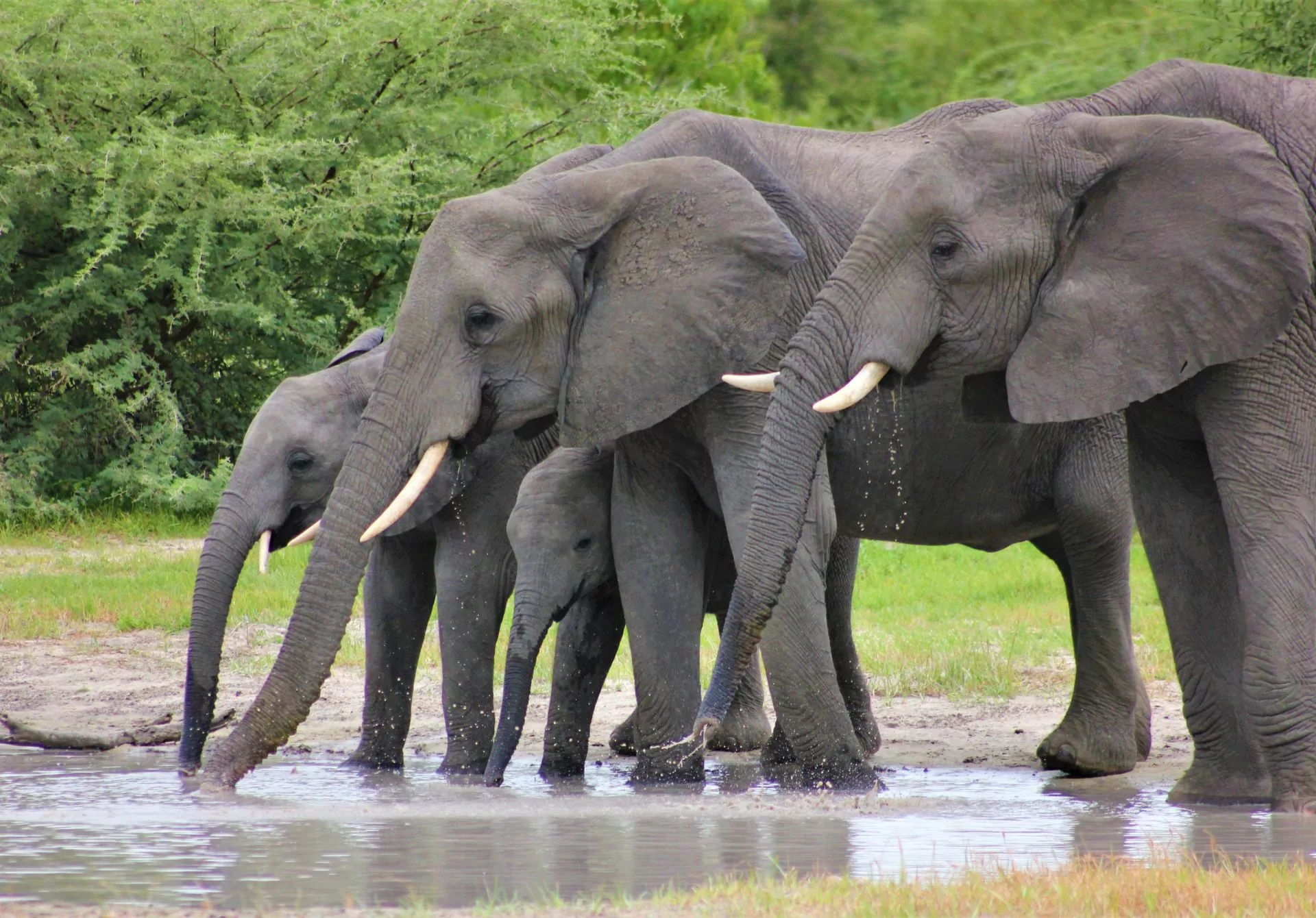

Males are usually solitary and move from herd to herd. A female elephant, however, stays in a herd of around 10 elephants, with the leader being the one with the most experience.
Elephants communicate between herds or other elephants miles away using sounds. These sounds are often too low for human ears to understand. Another way elephants communicate is by stamping their huge feet. An elephant herd is said to be one of the most gelled-up herds in the animal world.
4 Death
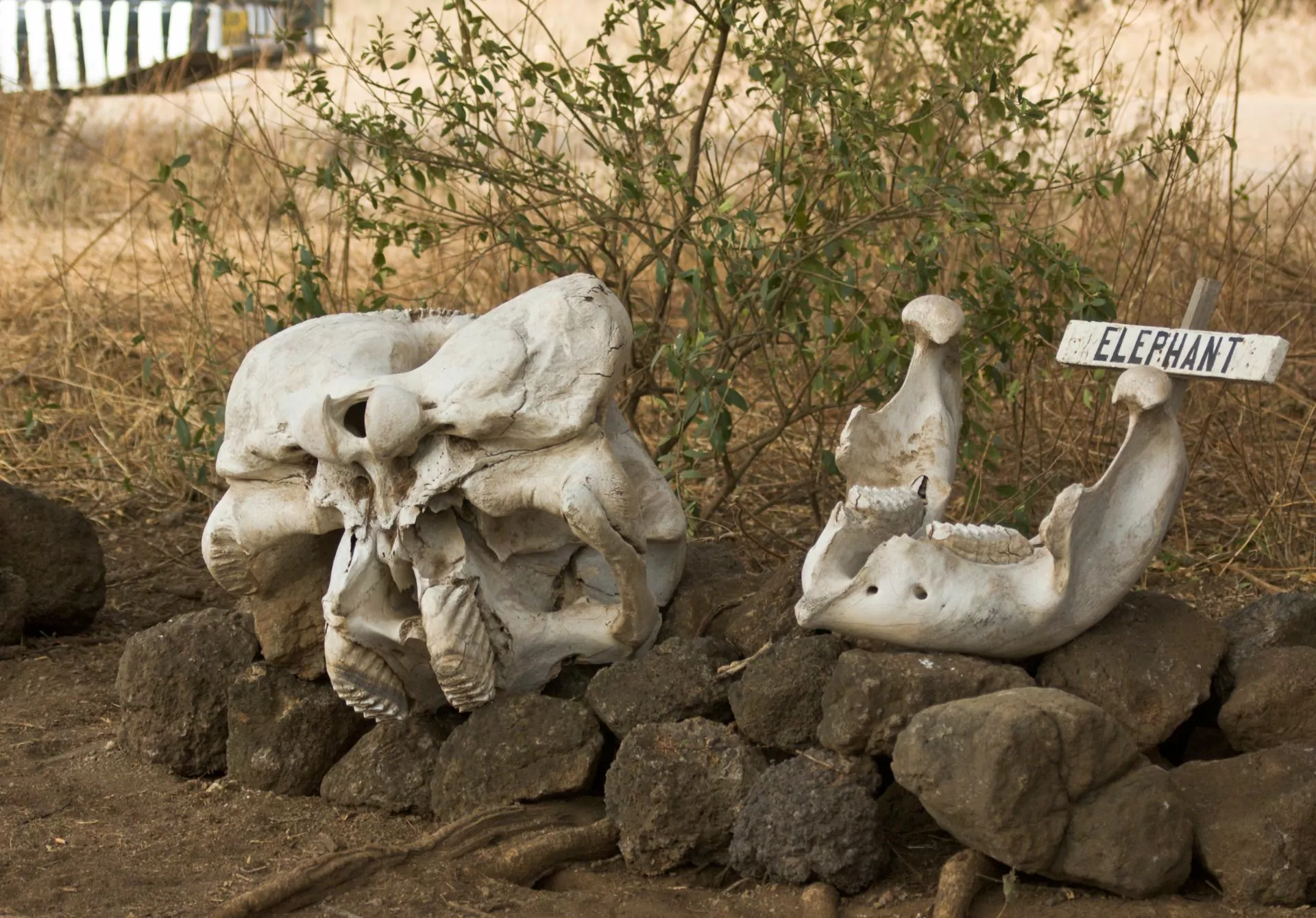

Normally an elephant can live to 80 years. One of the most incredible facts about elephants is that elephants are the only creatures known to have death rituals. If an elephant is sick, the members of its herd will bring him food. If it dies, elephants will try and revive it with food, but once it is clear that the elephant is dead, the herd will quiet down.
It has been reported that they often dig up a small grave and cover the deceased with mud and branches, and then stay near the grave for several days. If a herd accidentally stumbles upon a lone dead elephant, they do the same for him. The elephants are reported to have shown signs of depression even. There have been reports of elephants burying dead humans.
5 Extinct Elephants

Proboscidea has only three members today, but it used to have over forty. According to this one of the interesting facts about elephants, most of these lived until the end of the last glacial period, some 12,500 years ago. They were almost similar in size to today’s Asian Elephants. However, there were dwarf elephants, and then there were giant elephants reaching 4.5 meters in height and weighing in at 14 tons.
The largest elephant recorded was 4 m tall. Then there were mammoths, and the last one to go extinct in their race was the wooly mammoth.
6 Jumbo

You must know of a lot of famous elephants, and Jumbo was one of them. He was named so because of his size. He was an African Bush Elephant who was born in 1861. He was taken to a French zoo as an infant, where later, he was transferred to a British zoo. Jumbo’s caretaker would often give him a gallon of whiskey and believed that it was good for his health.
But one day, an American showman, Barnum, became interested in Jumbo and offered to sell him to Londoners, but at first, he received a strong refusal. Everyone, from ordinary people to parliamentarians and the queen herself, begged Barnum to give up the elephant for $100,000! However, Jumbo was later sold and exported to the USA. He died at the age of 24 and was 4 meters tall at the time of his death.
7 Teeth and Tusks
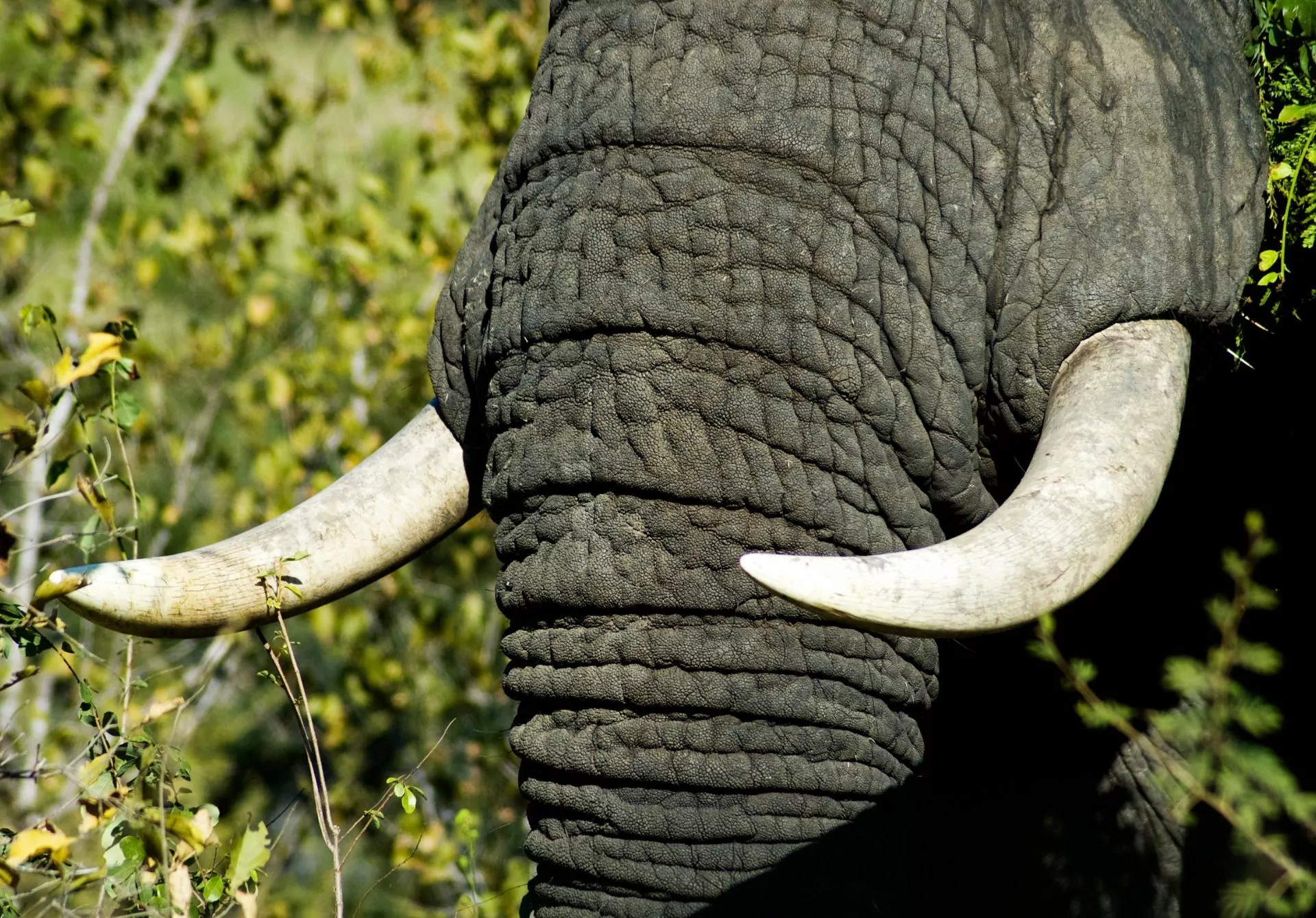

There are also some awesome facts about elephants concerning their teeth and tusks. We are born toothless, and age brings a perfect set of teeth (most of the time). Elephants go through the same process as tusks. Elephants use these tusks to dig, carry heavy weight, and sometimes as a part of mating rituals. It is illegal now, but elephants were constantly hunted for their tusks. Poaching the elephants is considered to be one of the prime reasons for a decrease in the length of tusks.
Elephants can eat about 150 kg of vegetation each day, and such heavy eating causes their teeth to wear out quickly, which is why they have around 6 or 7 sets of teeth. The first pair, consisting of four lamellar teeth, fall out before one year, and subsequent ones also appear in batches of four. The elephant does not move them to the right and left, like a cow or a camel, but in its own way – forward and backward. In old age, the teeth stop renewing, and the elderly animal is doomed to a painful death from starvation because the caring youth cannot chew food for him, as was the custom in primitive human tribes.
8 Trunks
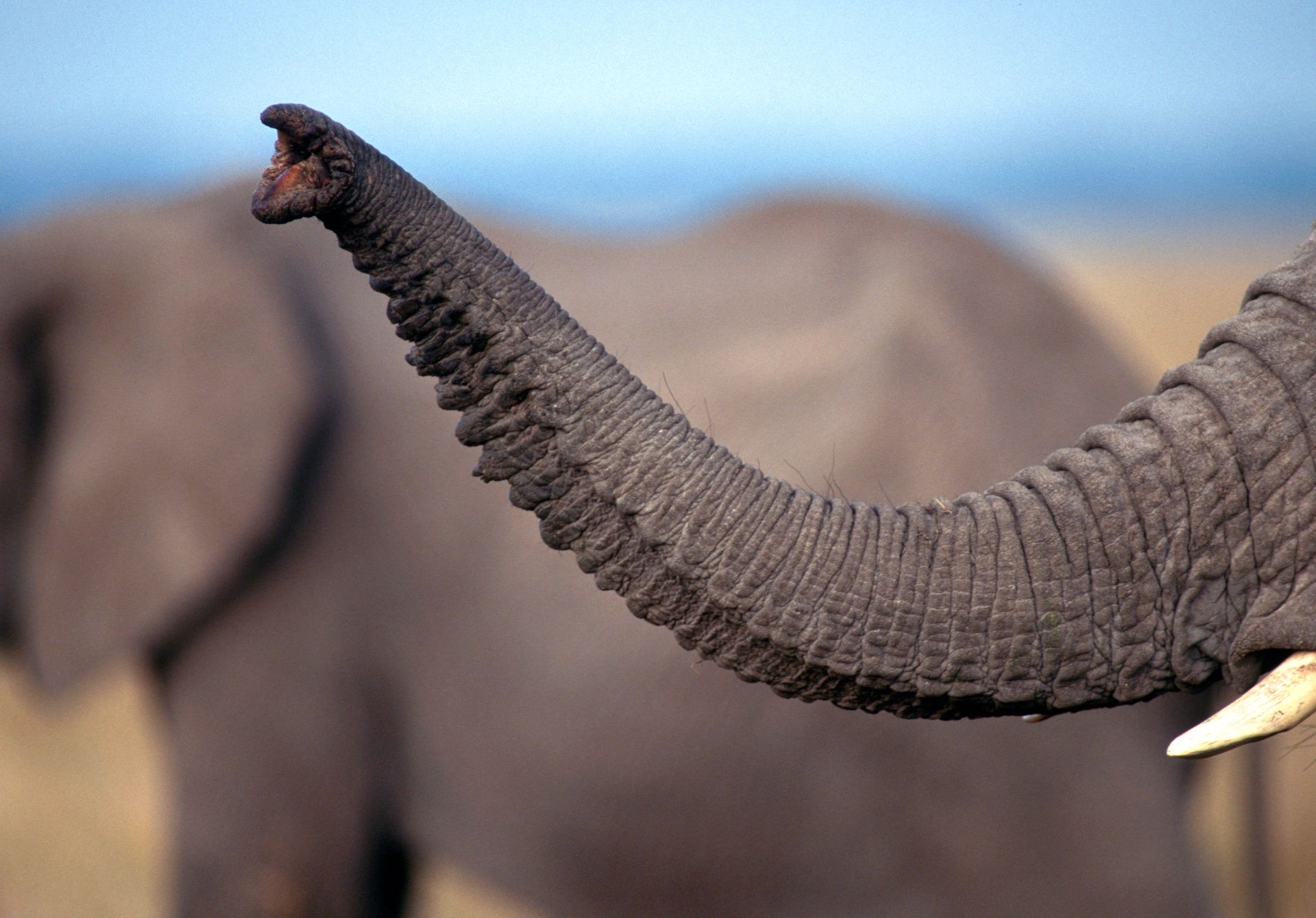

It is interesting that the elephant’s trunk is actually a nose. The trunk allows them to manipulate different objects to a higher degree. The trunk is powered by tens of thousands of muscles and muscle bundles. The elephant uses it to find food. Being completely underwater, the animal can breathe by exposing only the tip of its trunk.
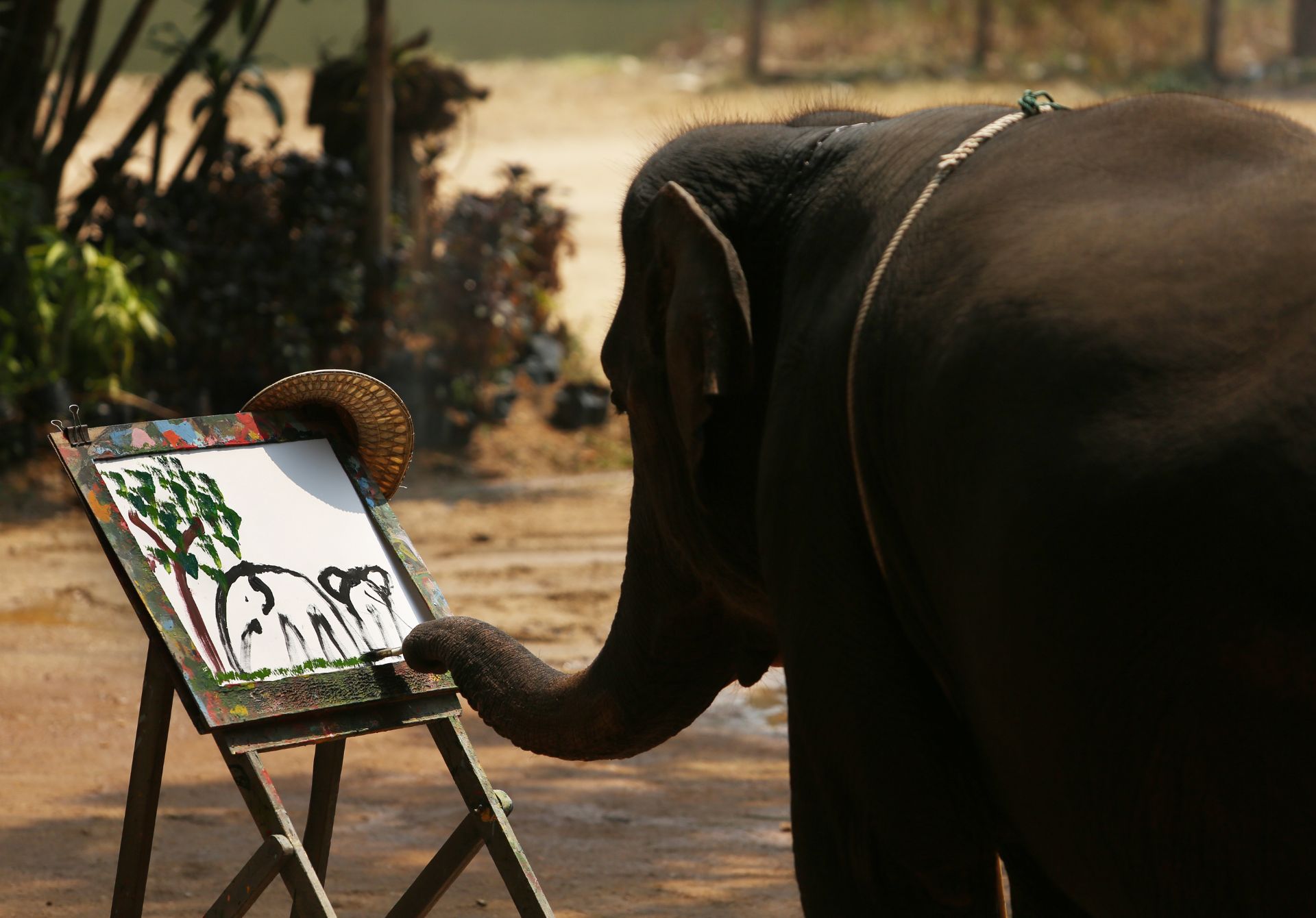
They can learn to open locks. One of the most incredibly famous facts about elephants is that there are some elephants that have been taught to paint using their trunks. There have been instances where two elephants have worked together to escape; one faked a collapse while the other opened the locks for both of them to escape. That’s interesting, isn’t it?
9 Feet
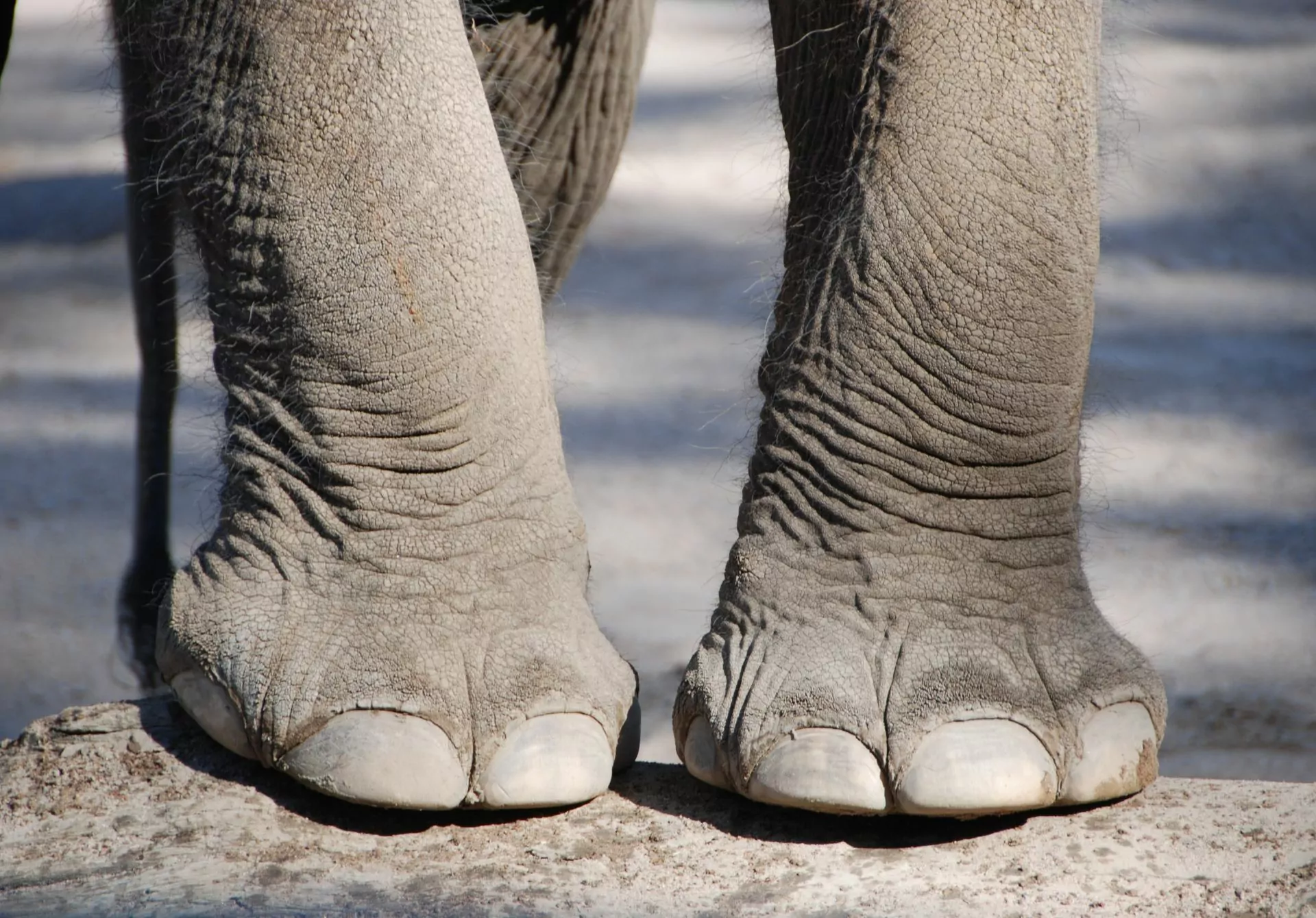

Every elephant has five toes. However, not all the toes have a nail. This is an easy way to differentiate between the two elephant species in Africa. The African forest and Asian elephants both have around 5 toenails on the front feet and 4 on the back feet, while the African Bush elephant has 4 to 5 toenails on the front and 3 on the back.
They have a large pad of gristle underneath each foot to absorb shock. Their feet are built to carry heavy weights for larger distances. They can develop leg problems if they walk less.
10 Intelligence

Speaking about their intelligence, elephants have one of the more intelligent animal brains on Earth. Their brain weighs a whopping 5 kilos. That is more than the brain of any other land animal. Only whales beat them when it comes to the complexity of the folds in the brain; the more complex the folds, the more intelligent the animal is. Elephants can show grief, compassion, and self-awareness.
They can understand the use of tools and be cooperative and have shown excellent learning abilities. Studies have shown that these guys are more capable than humans in keeping track of multiple objects in 3D space. Elephants accurately memorize the many kilometers of trails they walk on and then walk them for a long time.