
12 Tips on Introducing Your Pet to Your Newborn


Welcoming a new baby into the family is exciting, but it can be challenging for your pets to adapt to the changes. This article will discuss some helpful tips for introducing your furry friend to your newborn and creating a safe and happy home for all. From taking time to plan and being patient to respect your pet’s boundaries, we will cover a range of strategies to ensure a smooth and successful transition. So, let’s explore some effective ways to prepare your furry companion for the arrival of your little one.
1. Get Your Pet Accustomed to All Things Related to Babies
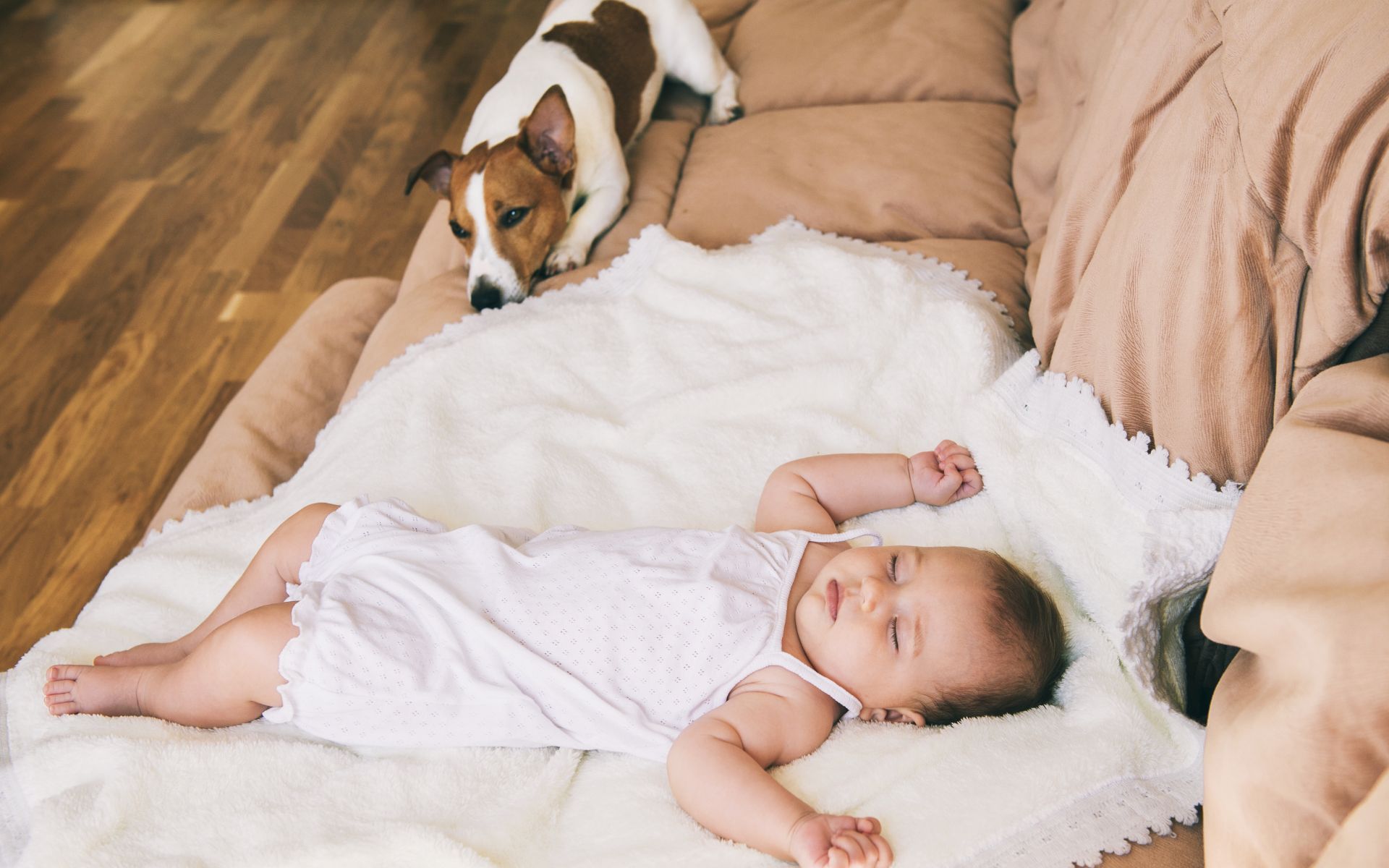

Preparing your pet for a newborn’s arrival is crucial to maintaining a safe and stress-free home environment. Animals must practice learning to behave around babies, so providing ample opportunities to interact with infants is important. One way to achieve this is by inviting friends with babies to visit your home regularly. This one of the most effective ways to introduce your pet to your newborn will help your pet become familiar with babies sights, sounds, and smells and reduce their anxiety and stress when your baby arrives.
- Introduce your pet to a doll the size of a newborn. Swaddle the doll in baby clothes and carry it around before your pet as if it were a real baby. This will aid your pet in becoming accustomed to the presence of a baby in the household and acclimate them to the new reality.
- Another effective way to prepare your pet for your baby’s arrival is to play recordings of baby-related sounds, such as crying, laughter, and cooing. This can help your pet get accustomed to the noises of having a baby in the house. This will help your pet become accustomed to the sounds of a newborn and reduce their fear or anxiety when your baby cries or makes noises.
- Leaving open packages of baby products around the house can help your pet get used to the new smells associated with a baby. Playing recordings of baby-related sounds can help your pet acclimate to the new noises they will hear once the baby arrives. This can help your pet feel more at ease and less anxious in the baby’s presence.
2. Sing Your Pet Up for an Infant Training Class


Enrolling your pet in a baby training course or general training classes can also help prepare them for the arrival of a new baby. Many pet trainers offer specialized baby training courses that focus on helping pets get used to babies in the house. These courses typically involve teaching pets how to behave around babies, introducing pets to baby-related sounds and smells, and preparing them for the changes that come with having a newborn in the house.
If you’re unable to locate a pet trainer who provides specialized baby training in your locality, enrolling your pet in regular training sessions is still a wise decision. Pets that are obedient and disciplined tend to adapt more easily to new circumstances, including the arrival of a new baby. General training can also help your pet become more obedient and responsive to your commands, essential for keeping your baby safe.
3. Get in Touch with Your Pet’s Vet


Having your pet examined by a veterinarian is important to ensure good health and safety for your baby. This will help to identify and address any health issues, diseases, allergies, or parasites that could pose a risk to your baby. In addition, ensuring that your pet’s vaccinations and treatments are up-to-date is crucial, especially if your baby will be in close contact with your pet.
Sterilizing your pets can positively affect their overall health, decreasing the risk of reproductive system cancers and other health issues. Neutered or spayed pets are usually more obedient and manageable, which can be advantageous when introducing pets to a new baby. They also have a lower risk of certain health issues related to their reproductive organs and are healthier overall.
Read also – 9 Signs Your Kids Are Ready for a Pet
4. Get Your Pet Used to a Bit of a Rough Treatment
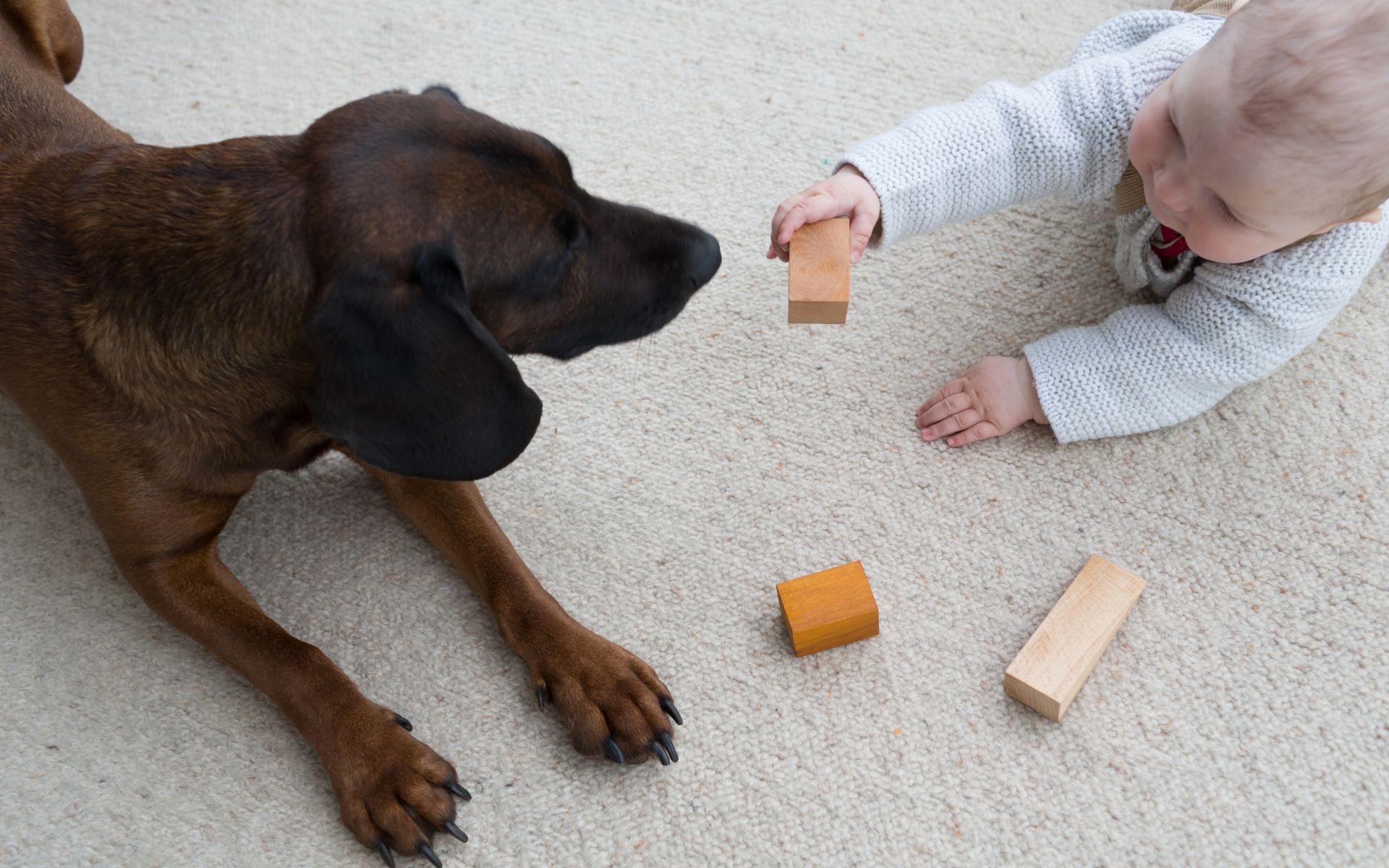

In addition to the tips mentioned earlier, it’s essential to establish clear boundaries and rules for your pet before your baby’s arrival. Installing a suitable barrier well in advance is essential if you do not intend to allow your pet to enter your baby’s room. This can help your pet get used to the idea and reduce their anxiety when the baby arrives. A sturdy and removable gate or a screen door is often sufficient to keep your pet out of the room. It’s crucial to set up a proper barrier if you don’t plan to allow your pet in your baby’s room, but it’s equally important to ensure that the barrier allows your pet to see and hear what’s going on in the room, so they don’t feel left out.
Creating a designated safe space for your pet within your home is also crucial. Creating a haven for your pet is crucial to provide them with a place to relax and de-stress when they feel overwhelmed. Ensure this space is equipped with comfortable bedding, toys, and water, and teach your pet that this is their special area. Consistently enforcing clear rules and boundaries for your pet, such as their designated areas for sleeping and sitting, is essential.
5. It’s Important to Discourage Roughhousing Games
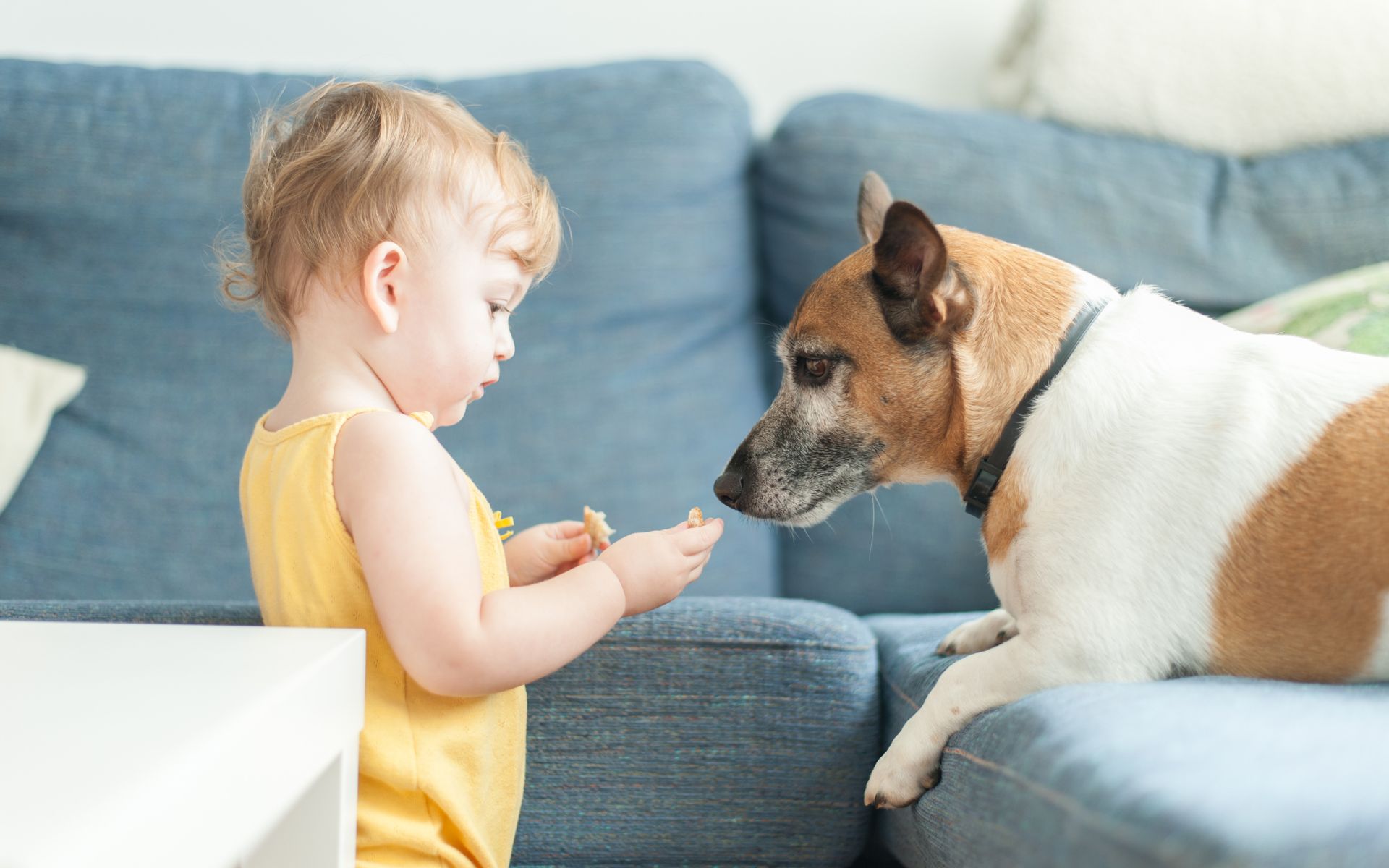

One important aspect of introducing your pet to your newborn is discouraging roughhousing games. Dogs, in particular, love rough play, but it can be dangerous when a baby is involved. It’s essential to teach your pet that rough play is inappropriate behavior around a baby. This means discouraging any play involving jumping, nipping, or biting. One way to do this is by redirecting their energy toward appropriate toys and play activities. You can also teach them new commands, like “gentle” or “no biting,” and reward them when they obey.
It’s essential to set clear boundaries for your pet’s behavior around your baby. You should never leave them unsupervised together, especially during the first few months when your baby is still fragile. If your pet is exhibiting aggressive behavior towards your baby, seek the help of a professional trainer or behaviorist.
Discouraging rough play isn’t just crucial for the safety of your baby; it can also improve your pet’s behavior overall. Dogs that learn to play gently are less likely to become aggressive toward other pets or people. They also tend to be more obedient and easier to train.
6. Don’t Forget About Your Pet


Getting caught up in their needs and forgetting about your furry friend can be easy with a new baby around. However, neglecting your pet can lead to negative behavior, such as chewing or scratching furniture, so giving them attention and affection is vital. Make sure to give your pet the love and attention they require and involve them in the process to make them feel like they belong in the family.
Here are some tips to help you ensure your pet feels loved and included during this exciting time:
- Maintain Your Pet’s Routine
Pets thrive on routine, and a new baby can disrupt their schedule. Therefore, it’s important to maintain your pet’s regular meals, exercise, and playtime, even after the arrival of a new baby. This can help your pet feel secure and maintain a sense of routine and normalcy.
- Spend Quality Time with Your Pet
Even though your baby will require most of your attention, spending quality time with your pet is essential. Set aside time each day to play with your pet or take them for a walk. This will help them feel valued and loved.
- Involve Your Pet in Baby Preparations
Including your pet in baby, preparations can help them feel like they are part of the family. For example, allow them to sniff and explore the baby’s room and see and smell the baby’s items. This will help them get used to the baby’s scent and presence.
- Use Positive Reinforcement
When your pet behaves well around the baby, reward them with treats or affection. This will reinforce positive behavior and help your pet associate the baby with positive experiences.
- Monitor Interactions
Monitoring their interactions is essential when your pet meets the baby for the first time. Keep your pet on a leash or in a separate room initially, and let them sniff the baby from a safe distance. Then, gradually increase their proximity and always supervise their interactions.
Read also – 10 Reasons Your Children Should Own a Pet
7. Provide Safe Spaces


Providing safe spaces is one of the most important tips for introducing your pet to your new baby. This means creating separate areas for your pet where they can retreat and feel secure. This could be a comfortable bed or crate in a quiet room or a designated play area outside where your pet can enjoy fresh air and exercise.
Ensuring that the designated safe spaces for your pet are located in quiet areas where they won’t be disturbed by the baby is crucial. This will help reduce any anxiety or stress your pet may experience during the introduction.
Ensuring your pet has enough toys and activities is also crucial to providing safe spaces. This can help reduce their stress levels and prevent destructive behavior in the home. Consider providing puzzle toys, chew toys, or interactive games that will keep your pet busy and happy.
8. Avoid Punishment
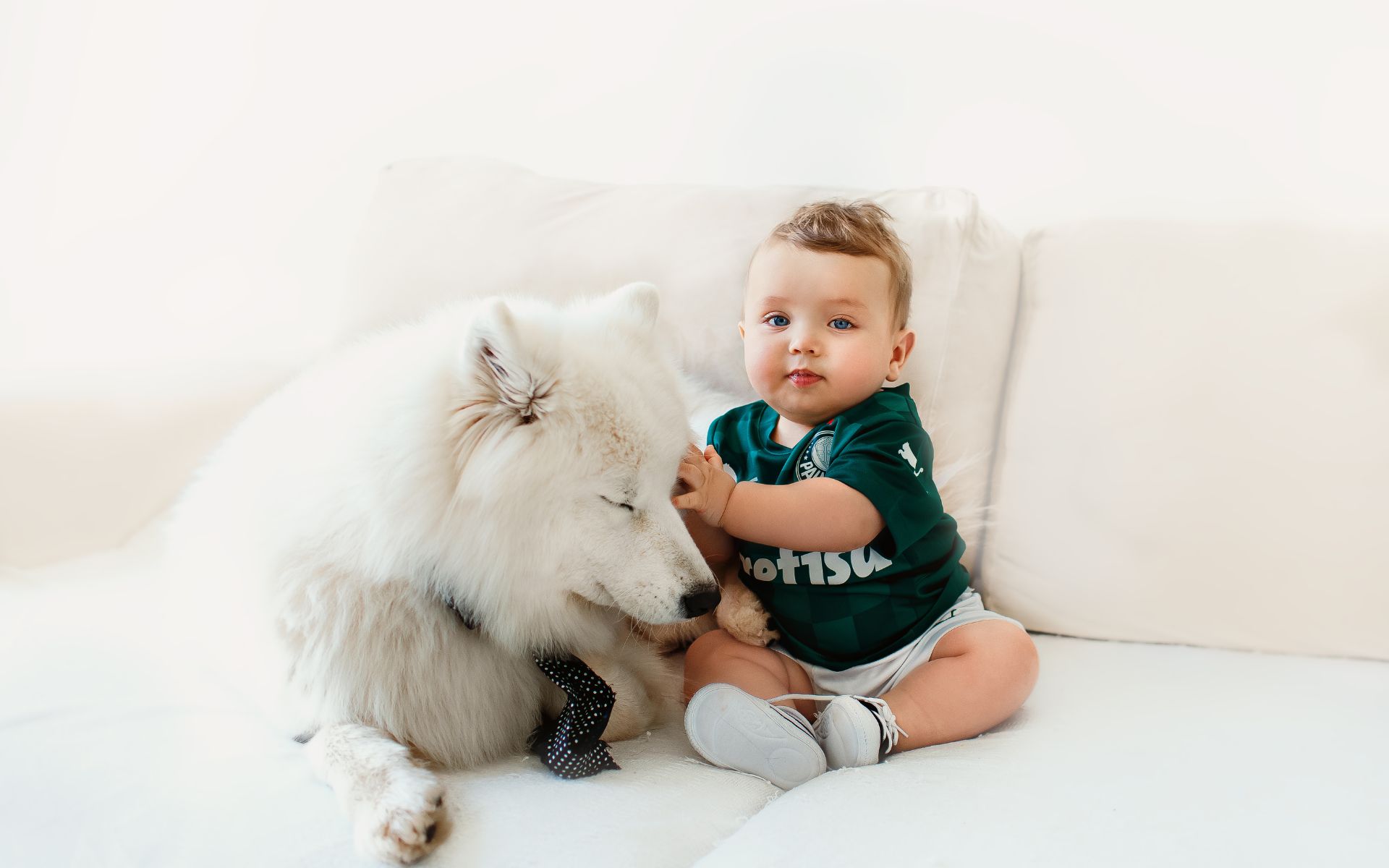

Another one of the key tips for a successful introduction is to avoid punishing the pet. It is common for pets to become curious and possibly even jealous of a new baby in the house. They may try to get close to the baby or sniff and investigate the baby’s things. It’s crucial to closely monitor your pet during these times, but it’s equally important to avoid punishing them.
Punishing a pet for showing interest in the baby can cause confusion and anxiety. The pet may associate negative feelings with the baby, creating a potentially dangerous situation. It is crucial to remember that the pet is not acting out of malice but rather natural curiosity and instincts.
Instead of punishment, it is important to redirect the pet’s attention to other activities or objects. For example, provide the pet with toys or treats to keep them occupied and away from the baby. Positive reinforcement also teaches the pet to associate good behavior with rewards.
9. Respect Your Pet’s Boundaries
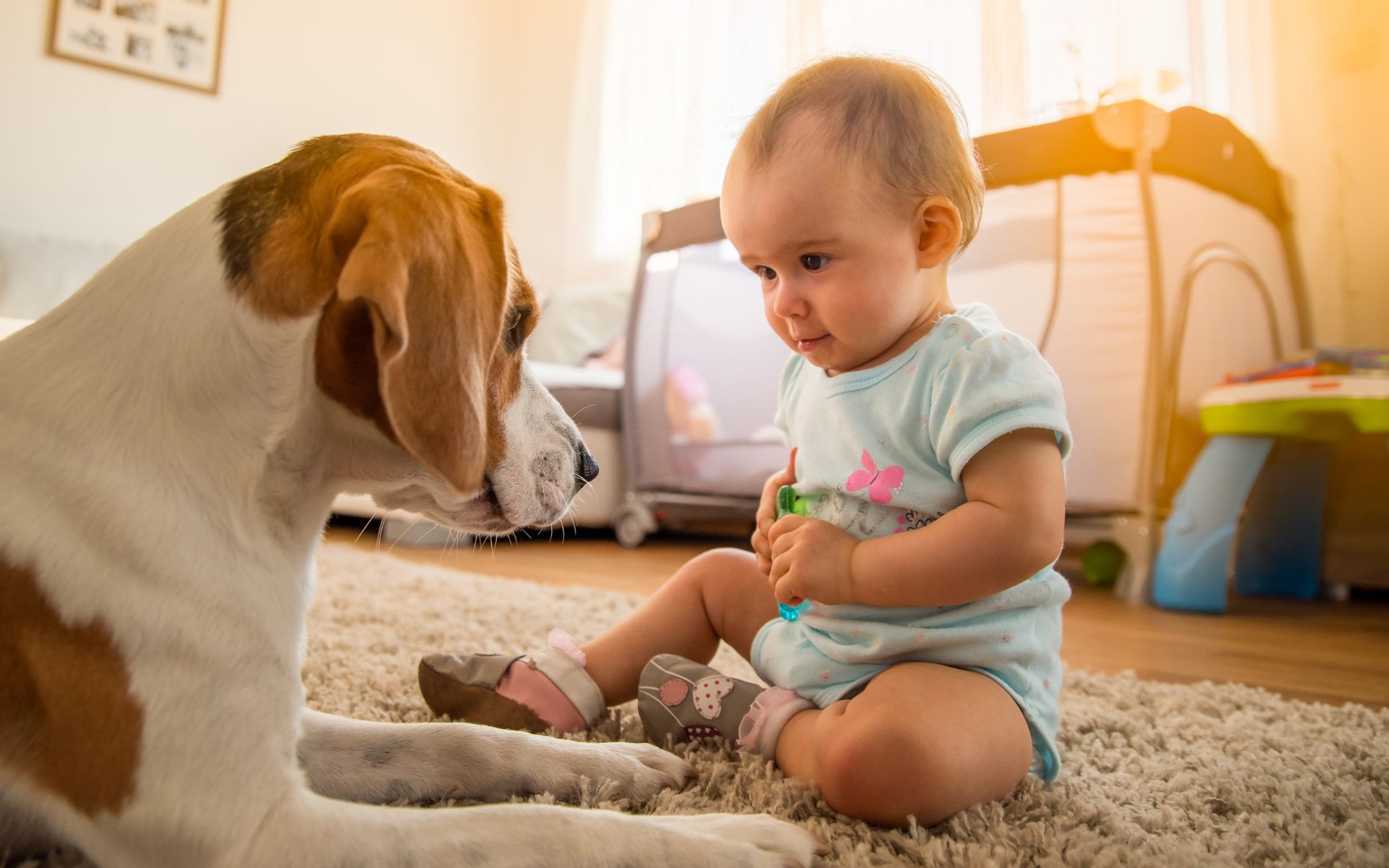

It is essential to keep in mind when introducing your pet to your newborn to respect your pet’s boundaries. Pets, like humans, possess unique personalities, preferences, and limitations. It is essential to observe your pet’s behavior and ensure they feel comfortable and safe throughout the introduction process.
If your pet seems hesitant or anxious around the new baby, it’s important not to force them to interact. Instead, allow them the necessary space and time to adapt to the new situation at their own pace. You can start by introducing pets to the baby’s scent by allowing them to sniff the baby’s blanket or clothing. This will help your pet become familiar with the baby’s scent before meeting them.
Establishing boundaries for your pet when interacting with the baby is also important. One option to consider is creating a dedicated area for your pet to retreat to if they feel stressed or uncomfortable. This space should be inaccessible to the baby and easily accessible to your pet whenever needed.
10. Don’t Neglect Your Pet’s Needs
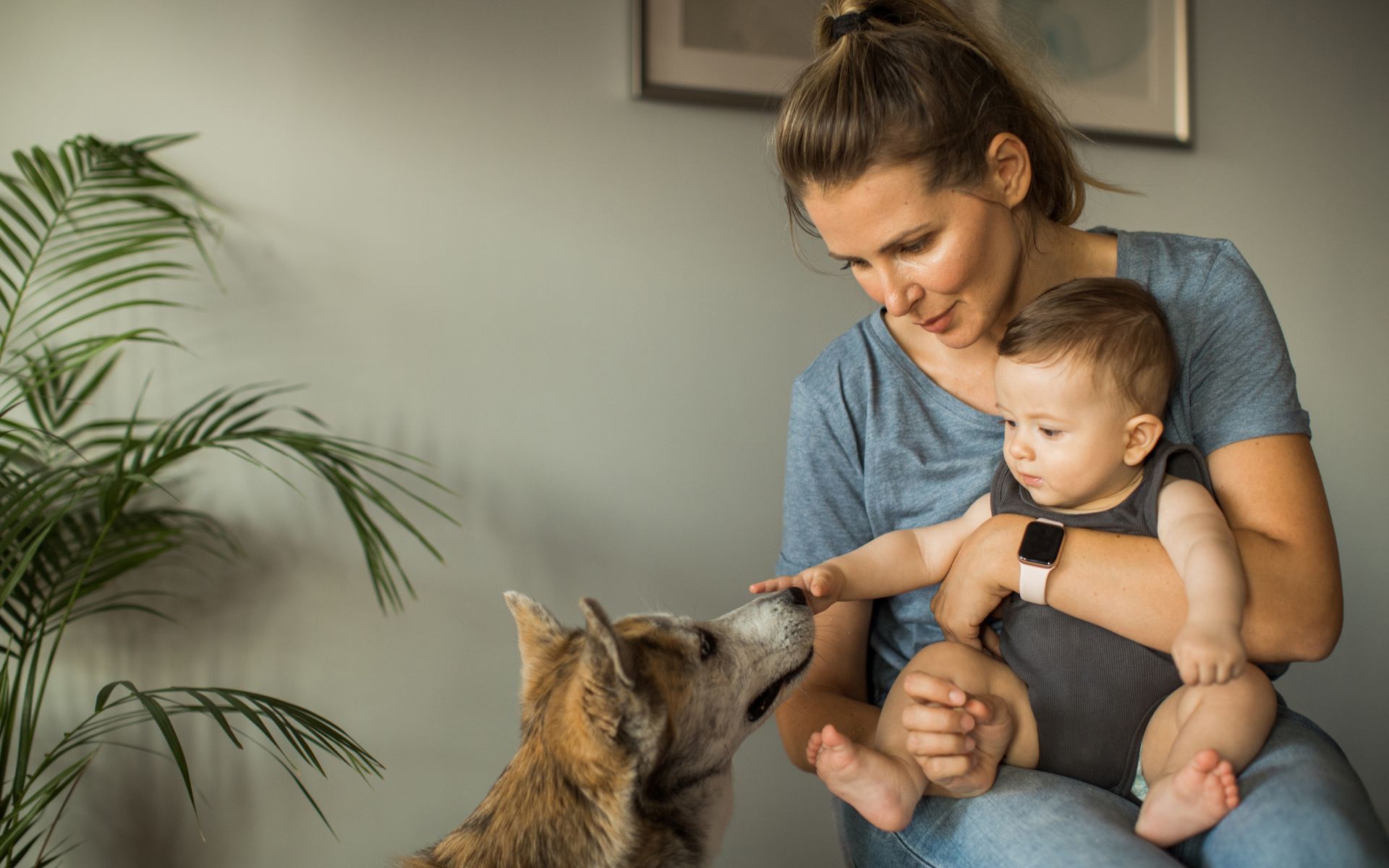

Neglecting your pet’s needs can lead to negative feelings of jealousy and resentment towards the baby, as well as feelings of abandonment from the pet. This can result in undesirable behaviors such as barking, chewing, or scratching, which can cause stress for everyone in the household.
Setting up a regular schedule that involves spending quality time with your furry friend is essential to prevent neglecting your pet’s needs. Establishing a routine prioritizes spending quality time with your pet is essential to avoid neglecting their needs. This can involve regular walks, play sessions, snuggles, and ensuring they have access to fresh water and a well-balanced diet.
Furthermore, maintaining a clean and comfortable environment for your pet is also essential. A clean litter box or crate, fresh bedding, and toys can go a long way in making your pet feel loved and cared for.
11. Practice Positive Reinforcement
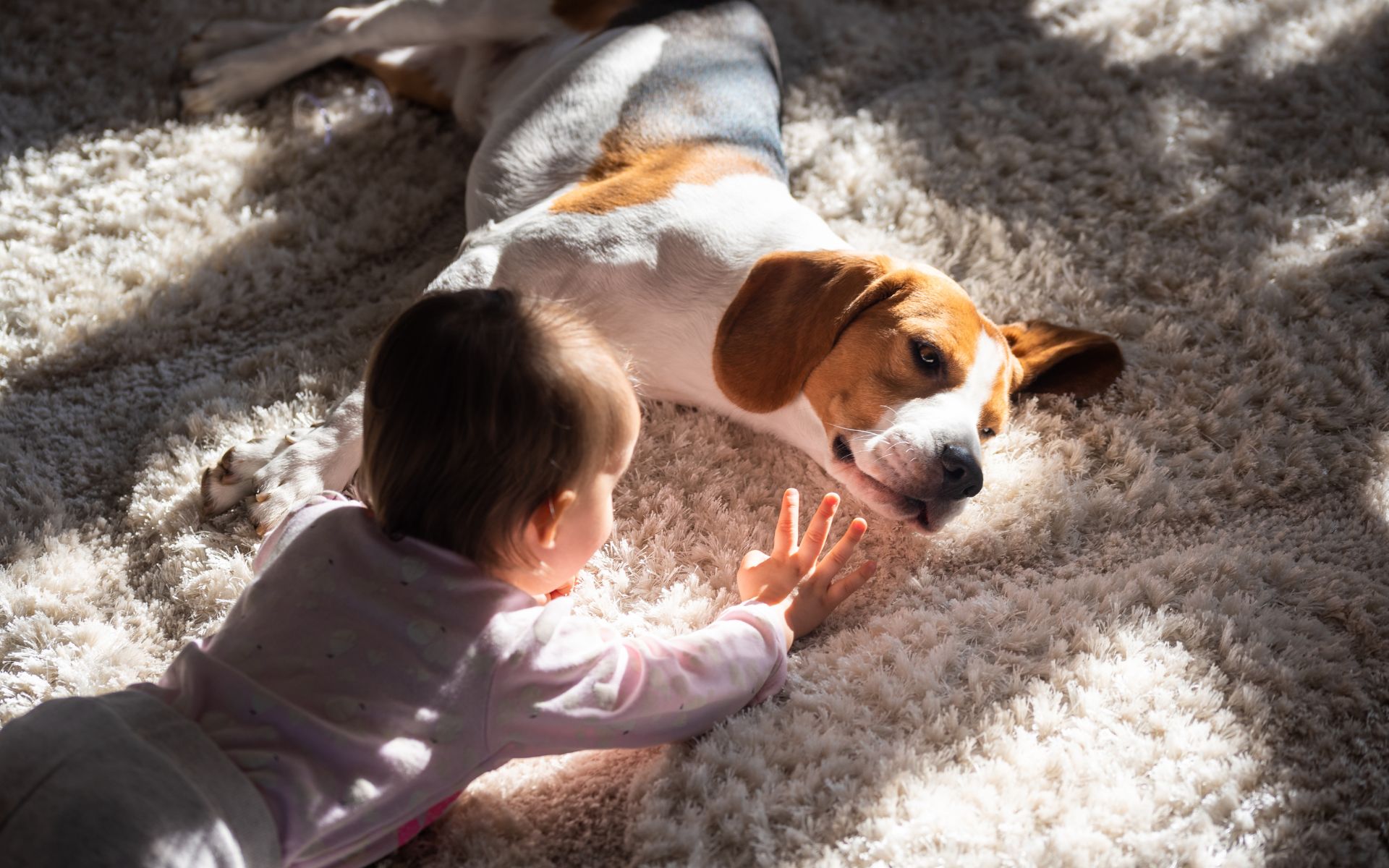

Positive reinforcement training involves good rewarding behavior with treats, praise, or other positive stimuli. This method is often used with dogs but can also be effective with other pets. By rewarding your pet for good behavior, you can help them associate the new baby with positive experiences.
For example, you can reward your pet when they calmly approach the baby or respond to your commands while in the same room as the baby. This will help your pet learn that good behavior around the baby is desirable and will lead to positive outcomes.
In addition to positive reinforcement, it’s essential to ensure your pet’s needs are met during the transition. Make sure your pet is receiving enough exercise, attention, and mental stimulation, as this can help reduce any stress they may be feeling.
12. Be Patient
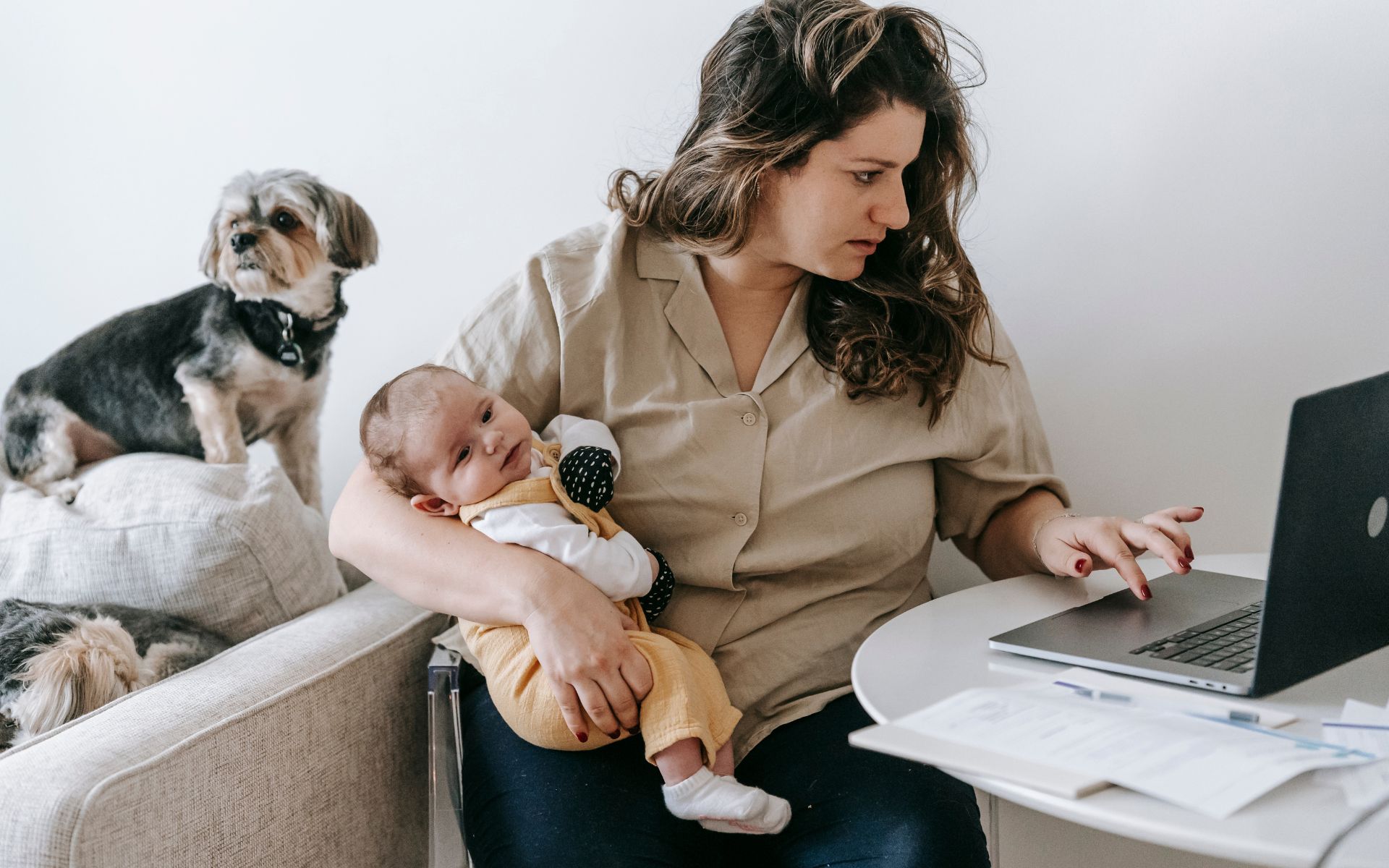

Pets are creatures of habit, and bringing a new addition to the family can disrupt their routine. Some pets may feel anxious or confused when they see a new baby in the house. Hence, it’s crucial to exercise patience and allow your pet sufficient time to adapt to the new surroundings and the newest addition to the family. Don’t rush the introduction process; allow your pet to approach the baby at its own pace.
Being patient also means giving your pet attention and affection during this transition period. Your pet may feel neglected or jealous with a new baby in the house. It’s still crucial to prioritize giving your pet the love and attention they need and deserve, even with the arrival of a new family member. Allocate a specific time each day to engage with your pet, whether playing together or going for a walk.
Every pet has unique traits, and their reaction to a new baby may vary. Some pets may protect the baby, while others may become anxious or aggressive. Being patient means being observant and understanding your pet’s behavior. It is vital to take action and seek professional assistance if your pet exhibits signs of anxiety or aggression.
Introducing your pet to your newborn can be challenging, but it is essential for ensuring a safe and harmonious home environment. By following the tips discussed in this article, such as being patient, respecting your pet’s boundaries, avoiding punishment, and practicing positive reinforcement, you can make the introduction process a positive and successful experience for your pet and your newborn. Remember that every pet is different, and the introduction process may take longer for some than others. However, with time, patience, and consistency, your pet can learn to accept and love their new family member. By prioritizing your pet’s and your newborn’s well-being, you can create a happy and loving home for everyone.