
15 Ways to Reduce Trash and Improve the Environment
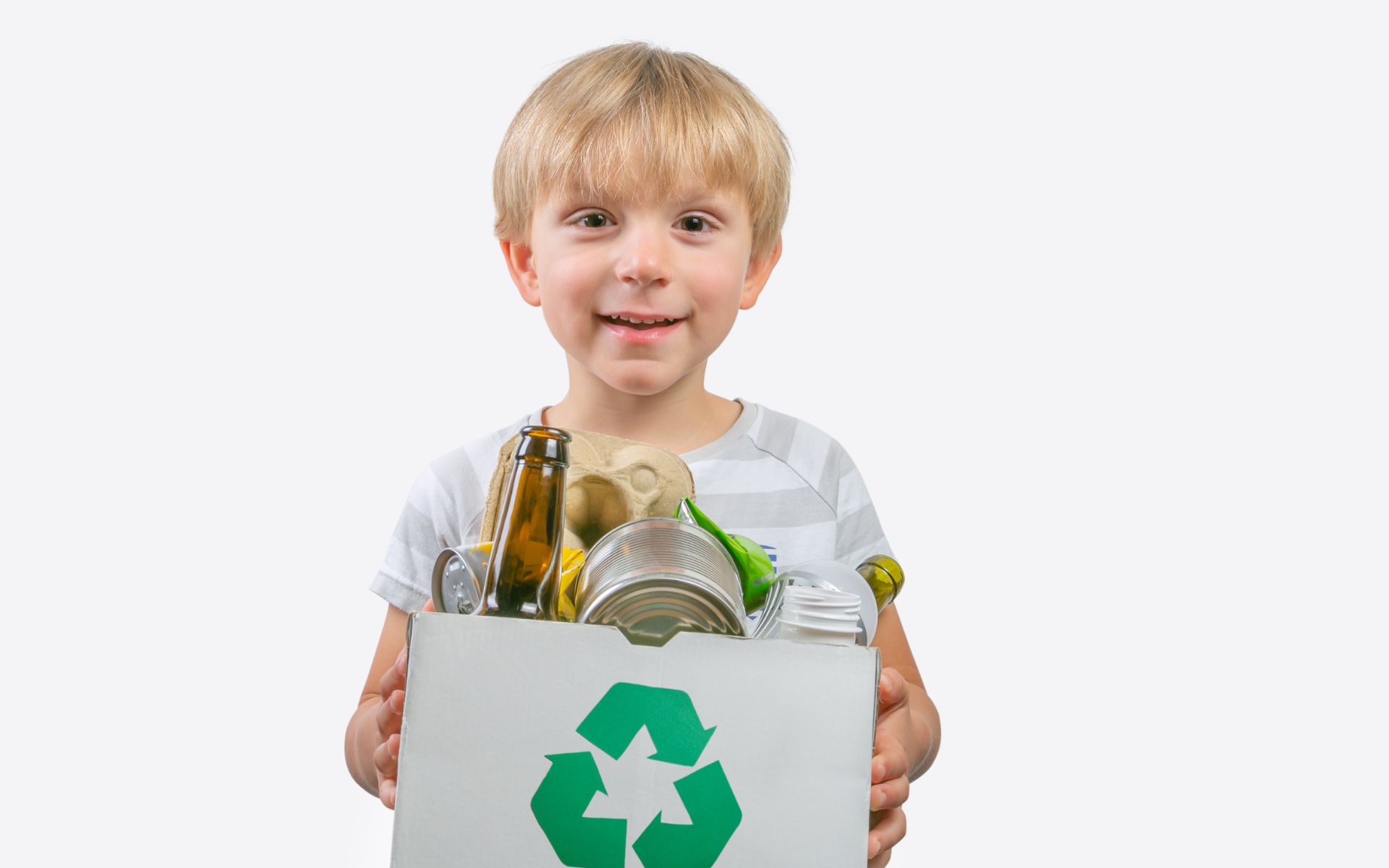

I do not know about you, but I live in a city full of trash. The worst thing is the locals make that trash and pollute the environment. Then, they complain that the government does nothing to keep the city clean. Instead of complaining, it is best to reduce waste and stop throwing your trash away wherever it is possible. If you are looking to improve the environment, here are fifteen ways to reduce trash.
1. Stop Using Disposable Cups and Plates
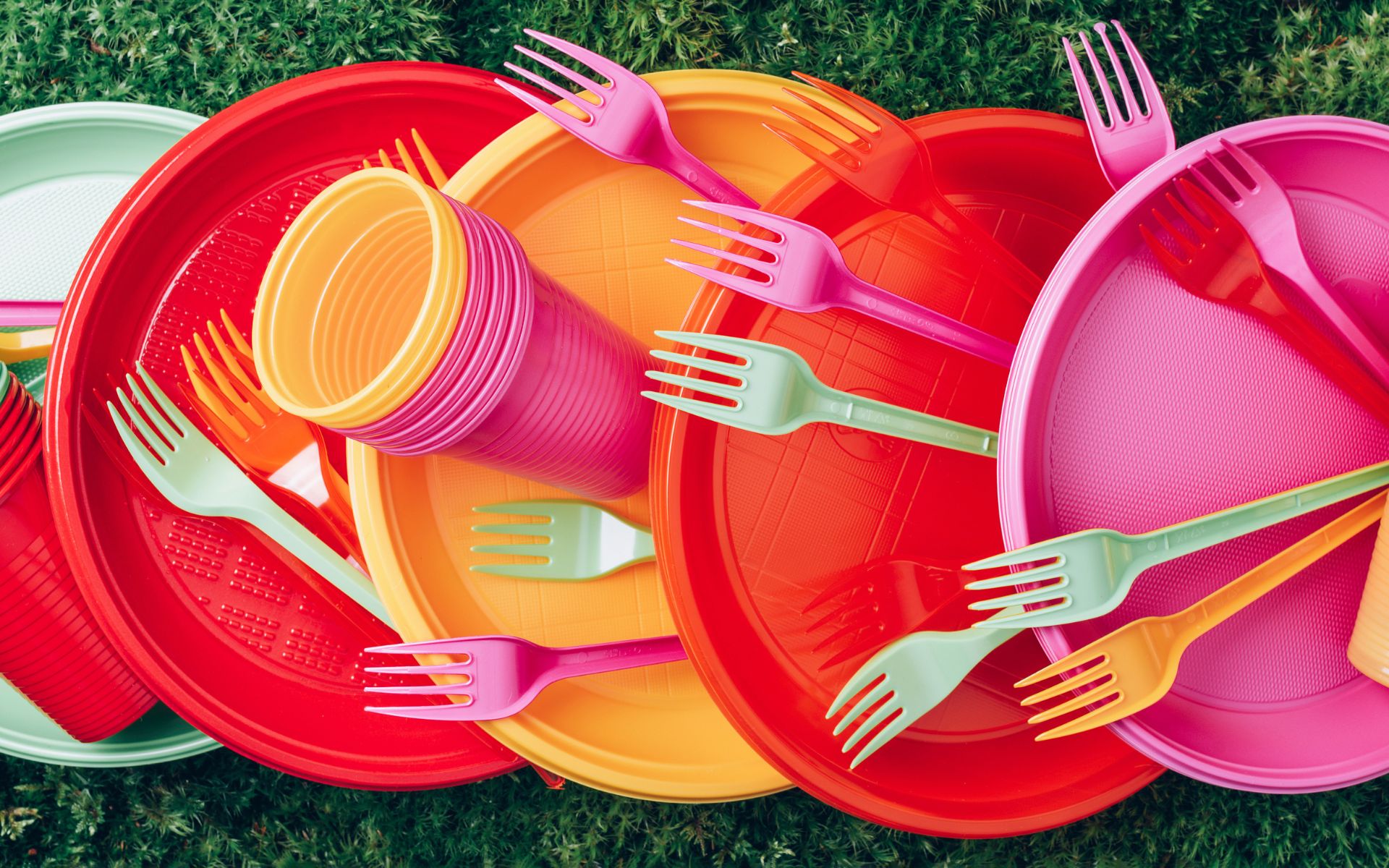

Coffee and tea are popular beverages worldwide, but the use of disposable cups has led to significant environmental issues, causing pollution and health hazards. Disposable plates, spoons, and forks also contribute to this problem. To reduce trash and improve the environment, it’s crucial to find sustainable alternatives to these items.
The vast number of disposable cups used annually, especially in the US, is alarming. Most of them end up in landfills and take hundreds of years to decompose, causing damage to the environment. The plastic lids and straws that come with them also contribute to this problem. To reduce waste and protect the environment, people should switch to reusable cups, plates, and utensils.
Several options, such as glass, metal, or silicone cups, are easy to clean and can be used multiple times. Additionally, some coffee shops offer discounts to customers who bring their reusable cups, making it even more appealing to make the switch. By reducing the use of disposable cups, people can make a significant impact on the environment and reduce the amount of trash that ends up in landfills.
2. Ditch Chewing Gums


Chewing gum litter is a serious problem that affects the environment and wildlife. It takes years for discarded gum to decompose, creating a sticky mess that is hard to clean up. This can also pose health risks to animals that mistake it for food.
One solution to this problem is to raise awareness about proper gum disposal and provide more trash bins in public spaces. Educational campaigns can also be launched, and fines for littering can be enforced. Some companies are also exploring the creation of biodegradable and environmentally-friendly gum.
However, the best way to reduce the impact of gum litter is to avoid chewing gum altogether. Though it can freshen your breath and relieve stress, alternatives like mints, fruit, or herbs can offer similar benefits without contributing to environmental pollution. By taking these steps, we can reduce trash and improve the environment.
Read also – 5 Reasons to Make a Bicycle an Essential Part of Your Life
3. Invest in Reusable Cloth Bags


Plastic bags are a common item millions of people use daily, but their environmental impact cannot be ignored. They are not biodegradable and can take hundreds of years to decompose, causing significant pollution and health hazards. Additionally, plastic bags can easily end up in oceans and waterways, harming wildlife and disrupting ecosystems.
Therefore, one of the most effective ways to reduce trash and improve our environment is to switch to reusable cloth bags. These bags are made from sustainable materials like cotton or jute and can be used multiple times, reducing the amount of waste produced. Many retailers now offer reusable bags for sale or provide them as an option at checkout. People can significantly reduce their environmental impact and protect the planet by investing in reusable bags.
In addition to switching to reusable bags, individuals can reduce their reliance on plastic by shopping at stores that offer bulk items or using reusable containers for food storage. This helps to reduce trash and the amount of plastic packaging used and minimizes waste. It is also essential to properly dispose of plastic items and recycle them whenever possible to ensure that they do not end up in landfills or oceans.
4. Purchase Second Hand Things
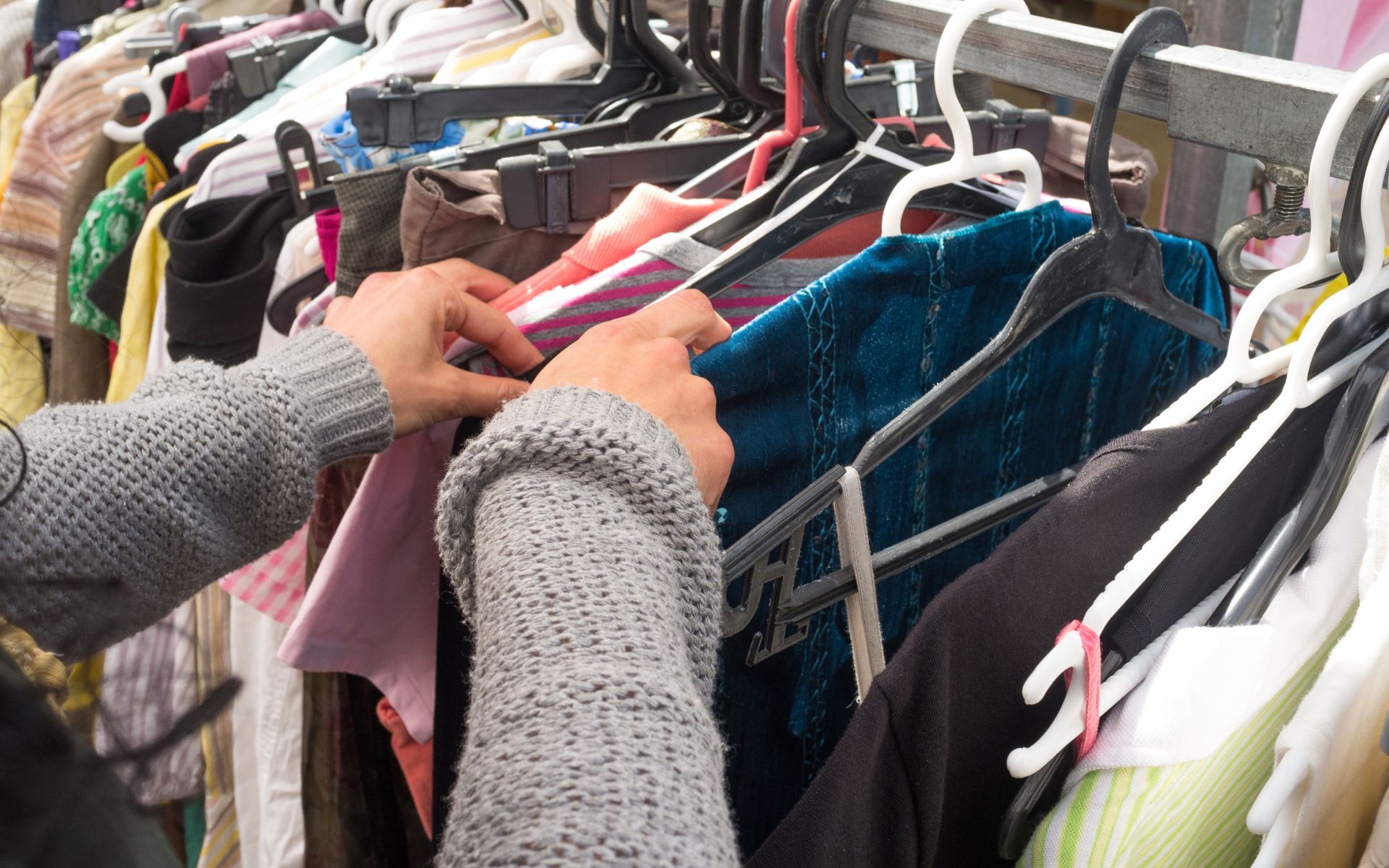

Buying second hand items is an excellent way to reduce trash and improve the environment. Every year, millions of tons of perfectly good items end up in landfills, contributing to pollution and environmental degradation. By choosing to buy second hand, people can reduce the amount of waste produced and give new life to items that might otherwise be discarded.
There are many items that can be purchased second hand, including clothing, furniture, and home decor. In addition to reducing trash, buying second hand also has financial benefits, as many items can be purchased at a fraction of their original cost. This allows us to save money while still obtaining high-quality items that meet our needs.
Another benefit of buying secondhand is the ability to support local thrift stores and charity organizations. Many secondhand shops operate as nonprofits and use the proceeds from sales to support important causes, such as fighting homelessness, hunger or providing education for children. By choosing to buy from these organizations, individuals can support their local communities and contribute to positive social change, improving the environment.
5. Use a Reusable Water Bottle
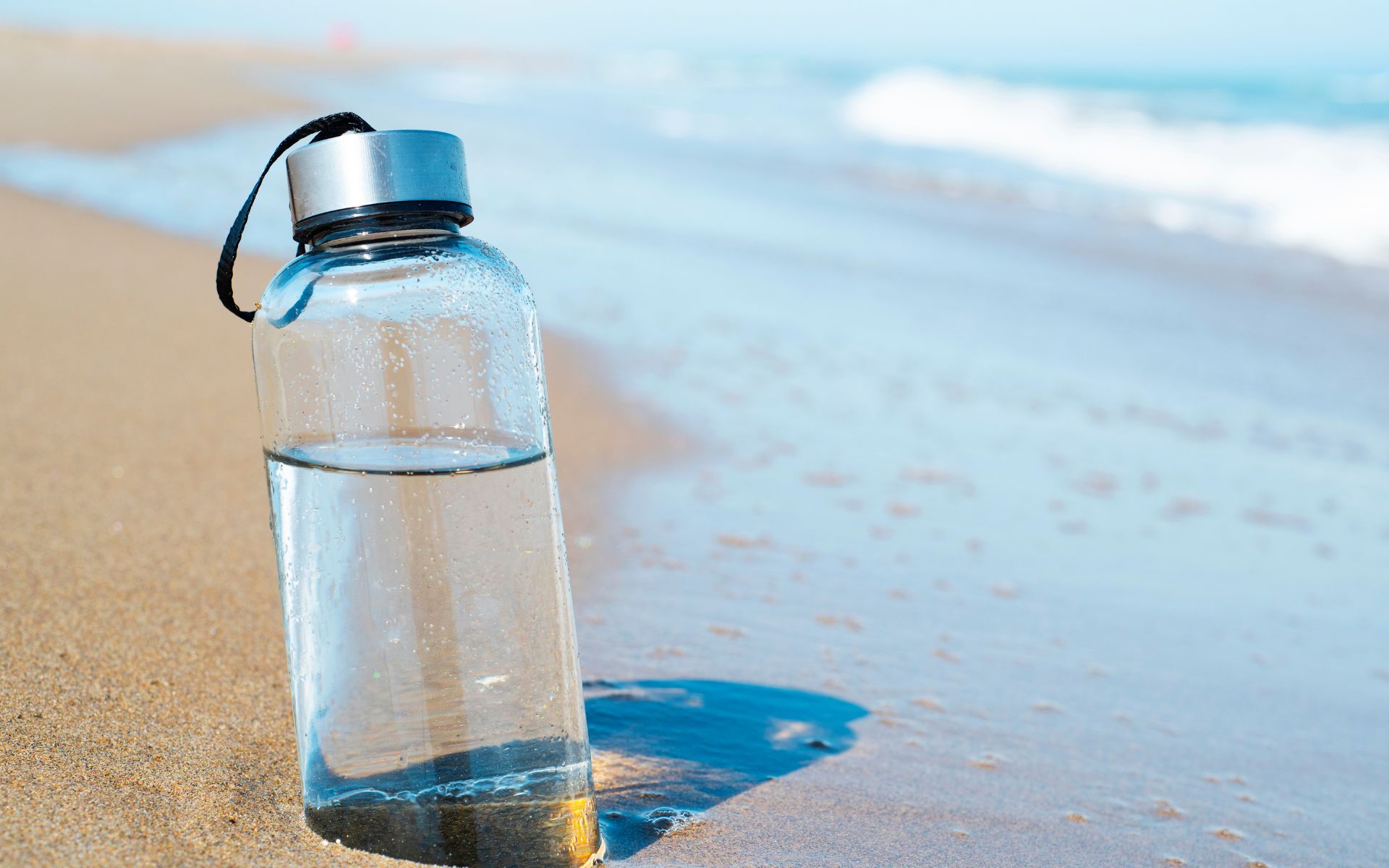

The environmental impact of plastic water bottles cannot be overstated. Every year, millions of these bottles end up in landfills or oceans, where they can take hundreds of years to decompose. In addition, producing plastic bottles requires significant energy and resources, contributing to climate change and other environmental problems.
A straightforward way to reduce the environmental impact of plastic water bottles and to reduce trash is to switch to reusable bottles. Reusable bottles can be made from various materials, including stainless steel, glass, or BPA-free plastic. By using reusable bottles, individuals can significantly reduce the amount of plastic waste they generate and help protect the environment.
In addition to being eco-friendly, using a reusable water bottle also has financial benefits. Instead of buying bottled water daily, individuals can fill their reusable bottles from a tap or water fountain, saving money and reducing waste. It is also worth noting that tap water is better quality in many countries than bottled water. Individuals can enjoy clean and safe water using reusable bottles while reducing their environmental impact.
6. Buy in Bulk


Plastic produce bags are one of the many sources of unnecessary waste generated during grocery shopping. These bags are typically used once and then thrown away, adding to the millions of tons of plastic waste produced yearly. To reduce trash and protect the environment, avoiding plastic produce bags whenever possible is essential.
A straightforward way to improve our environment and to reduce trash is by purchasing items in bulk. Bulk items are often sold in large quantities, so they don’t require individual packaging. This can significantly reduce the amount of plastic waste generated during grocery shopping. Additionally, buying in bulk can save money and reduce trips to the grocery store, making it a win-win solution for both the environment and the wallet.
For those who don’t need to purchase items in bulk, it’s still possible to reduce plastic waste by choosing items carefully. For example, buying loose fruits and vegetables rather than those packaged in plastic can help reduce waste. Additionally, bringing reusable produce bags or containers to the grocery store can help eliminate the need for plastic produce bags.
Read also – 4 Grocery Shopping Tips That Will Save You Calories
7. Consider Composting
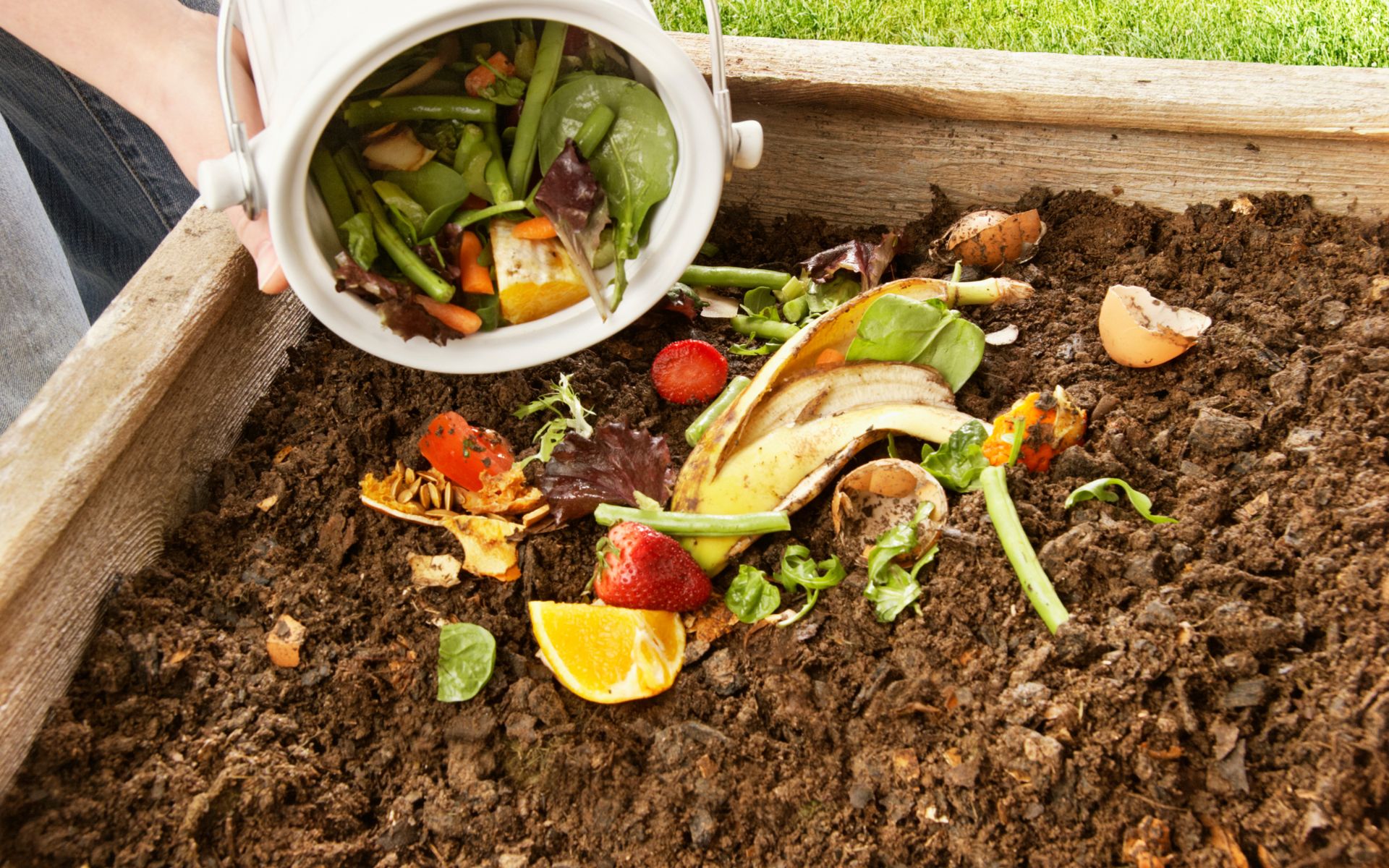

Composting is a simple and effective way to reduce waste and trash and improve the environment. By breaking down organic materials like food scraps, yard waste, and other biodegradable materials, composting can help divert these materials from landfills and turn them into nutrient-rich soil.
For those who don’t want to compost at home, there are many community composting programs available. These programs provide a convenient way to dispose of organic waste while also contributing to the creation of nutrient-rich soil for use in local gardens and landscaping projects.
If you have a garden, composting can be especially beneficial. Compost can help improve soil quality, promote healthy plant growth, and reduce the need for chemical fertilizers. Additionally, by composting at home, gardeners can save money on soil amendments and reduce their overall environmental impact.
8. Choose Products with Eco-Friendly Packaging
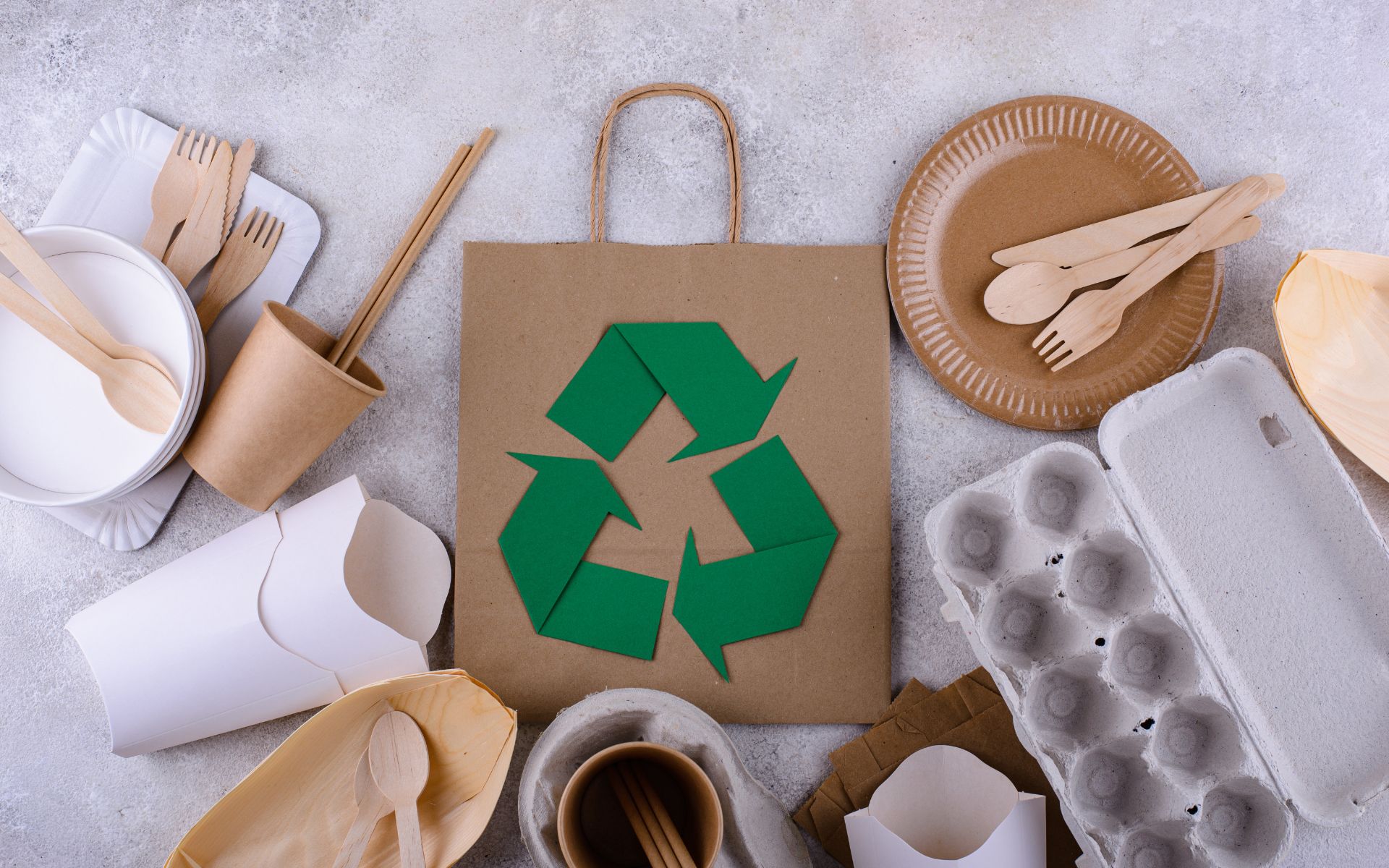

When it comes to reducing trash and improving the environment, it’s important to consider the packaging and materials of the products we use. Look for products with minimal packaging or packaging that is recyclable or biodegradable. This can help reduce the amount of waste that ends up in landfills and contribute to a more sustainable future.
In addition to packaging, consider the materials used to make the products you use. Opt for products made from sustainable materials like bamboo, recycled plastic, or natural fibers like cotton or linen. These materials are renewable and require less energy to produce than traditional materials like plastic or synthetic fabrics.
Another way to reduce trash and waste is to buy products that are designed to last. Invest in high-quality, durable products that are built to withstand regular use and require minimal maintenance or replacement. This can help reduce the amount of waste generated from constantly replacing broken or worn-out items.
9. Bring Your Reusable Bags When Shopping
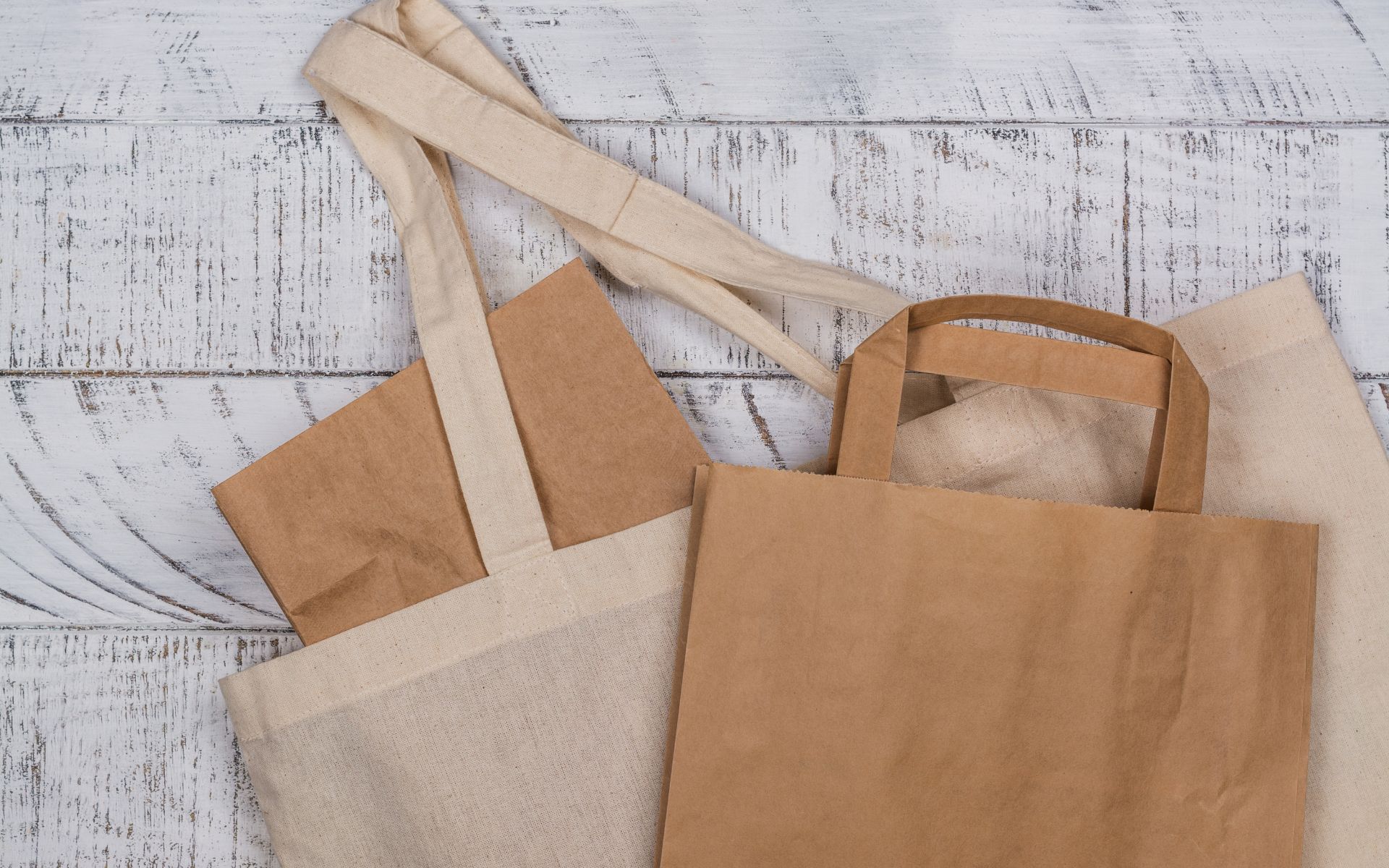

Single-use plastic bags are a major contributor to environmental pollution. They take hundreds of years to decompose, and many end up in landfills and oceans, where they harm wildlife and ecosystems. As consumers, we can take simple steps to reduce our use of these bags and contribute to a healthier planet.
One way to avoid single-use plastic bags and improve the environment is to bring your own reusable bags when shopping. Many retailers now offer reusable bags for purchase, or you can bring your own cloth or canvas bags from home. These bags are durable, long-lasting, and can be used again and again, reducing the amount of waste you generate.
Another way to reduce your use of single-use plastic bags is to choose products with minimal or no packaging. This can include buying fresh produce and bringing your own cloth produce bags or using reusable containers for bulk items.
10. Switch to Cloth Napkins
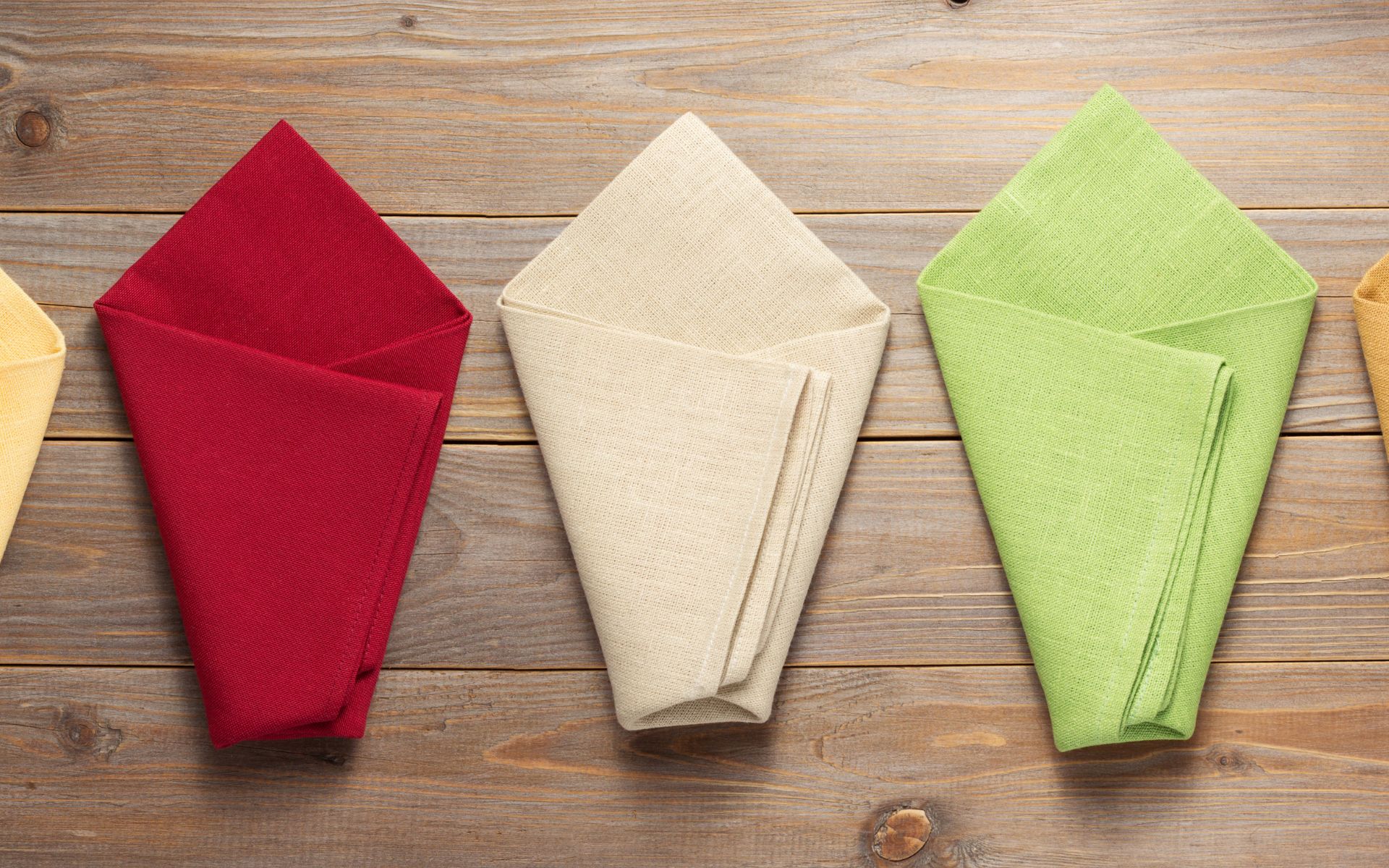

Another one of the easiest ways to reduce trash and improve the environment is to switch from using disposable paper napkins to washable cloth napkins. Paper napkins are often used once and then thrown away, contributing to the ever-growing amount of waste in landfills. By using cloth napkins, you can significantly reduce the amount of waste you generate and contribute to a more sustainable future.
Not only are cloth napkins more eco-friendly, but they are also often more durable and long-lasting than their paper counterparts. Investing in a set of high-quality cloth napkins can save you money in the long run, as you won’t have to repurchase disposable paper napkins constantly.
11. Bring Your Lunch in a Reusable Container Instead of Buying Takeout
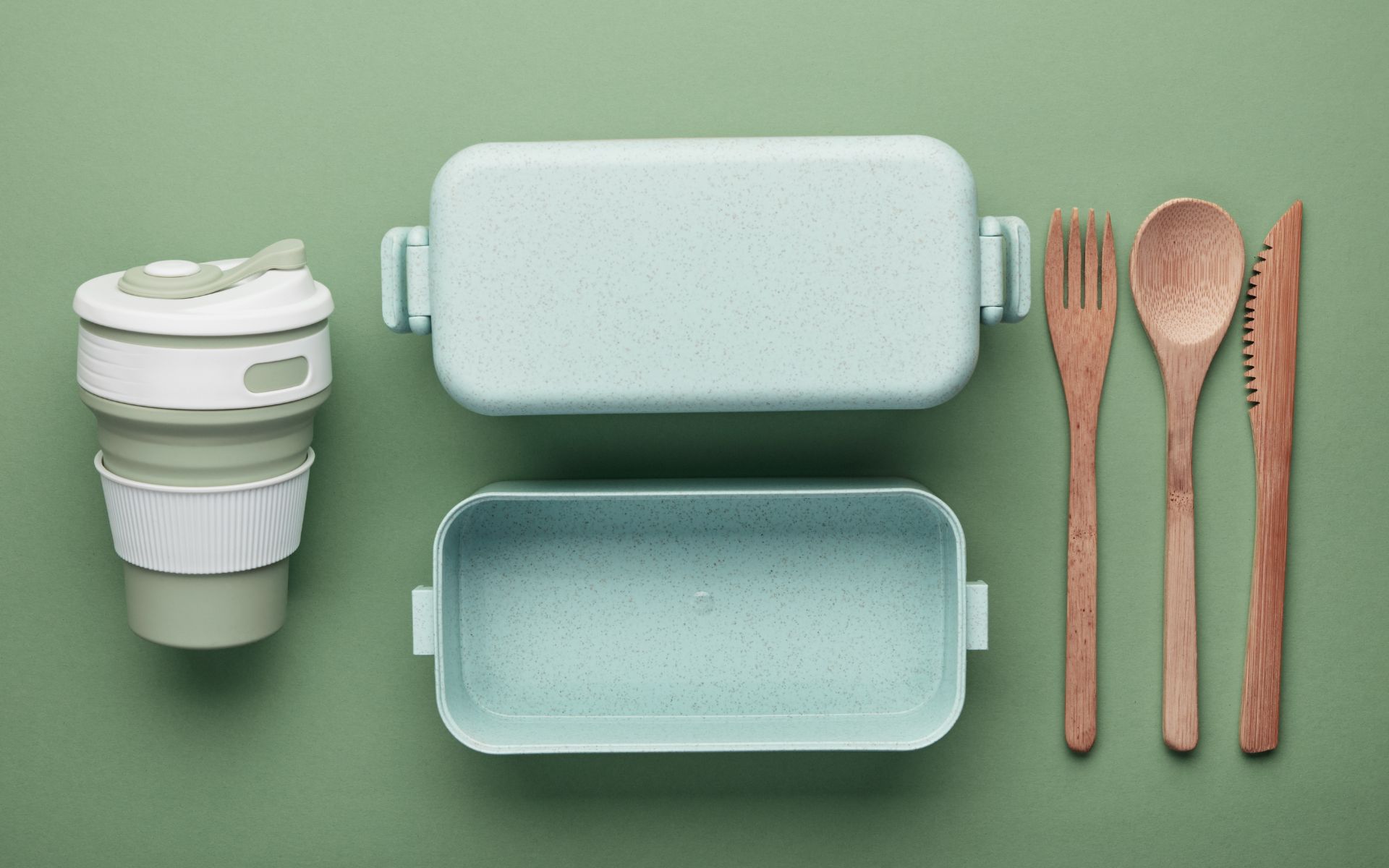

Bringing your lunch in a reusable container is an effective and simple way to reduce waste and protect the environment. Not only is this option more sustainable, but it also has several other benefits. By bringing your lunch from home, you can save money in the long run. Buying lunch every day can quickly add up, and bringing your own food is a more economical option. Additionally, bringing your lunch is more convenient as you can prepare your meal ahead of time and simply grab it on your way out the door.
Moreover, using a reusable container is a sustainable option as takeout food often comes in disposable containers that are used only once and then thrown away. These containers end up in landfills or, worse, in our oceans, where they can harm wildlife and pollute the environment. By using a reusable container, you can significantly reduce the amount of waste you produce. You can also bring your own utensils and cloth napkins instead of using disposable ones.
To make the switch to bringing your lunch in a reusable container, all you need is a durable and easy-to-clean container. There are many options available, including glass, stainless steel, and BPA-free plastic. You can also invest in a good quality insulated container to keep your food fresh and at the right temperature.
12. Repair Broken Items Instead of Buying New Ones


Repairing broken items instead of buying new ones is also considered one of the most effective ways to reduce waste and improve the environment. Rather than automatically throwing away a broken item and buying a new one, repairing it can help to reduce the amount of waste in landfills and conserve valuable resources.
With the abundance of DIY tutorials available online, community repair workshops, and local repair shops, repairing items has become easier than ever. Clothing, for example, can be repaired with basic sewing skills, and electronics can often be repaired by a professional technician. When items cannot be repaired, recycling is the next best option.
Repairing items not only benefits the environment but can also be more cost-effective than purchasing a brand new item. By extending the life of our possessions, we develop a sense of responsibility and appreciation for what we own. Repairing broken items can also encourage a more mindful approach to consumption.
13. Switch to Rechargeable Batteries
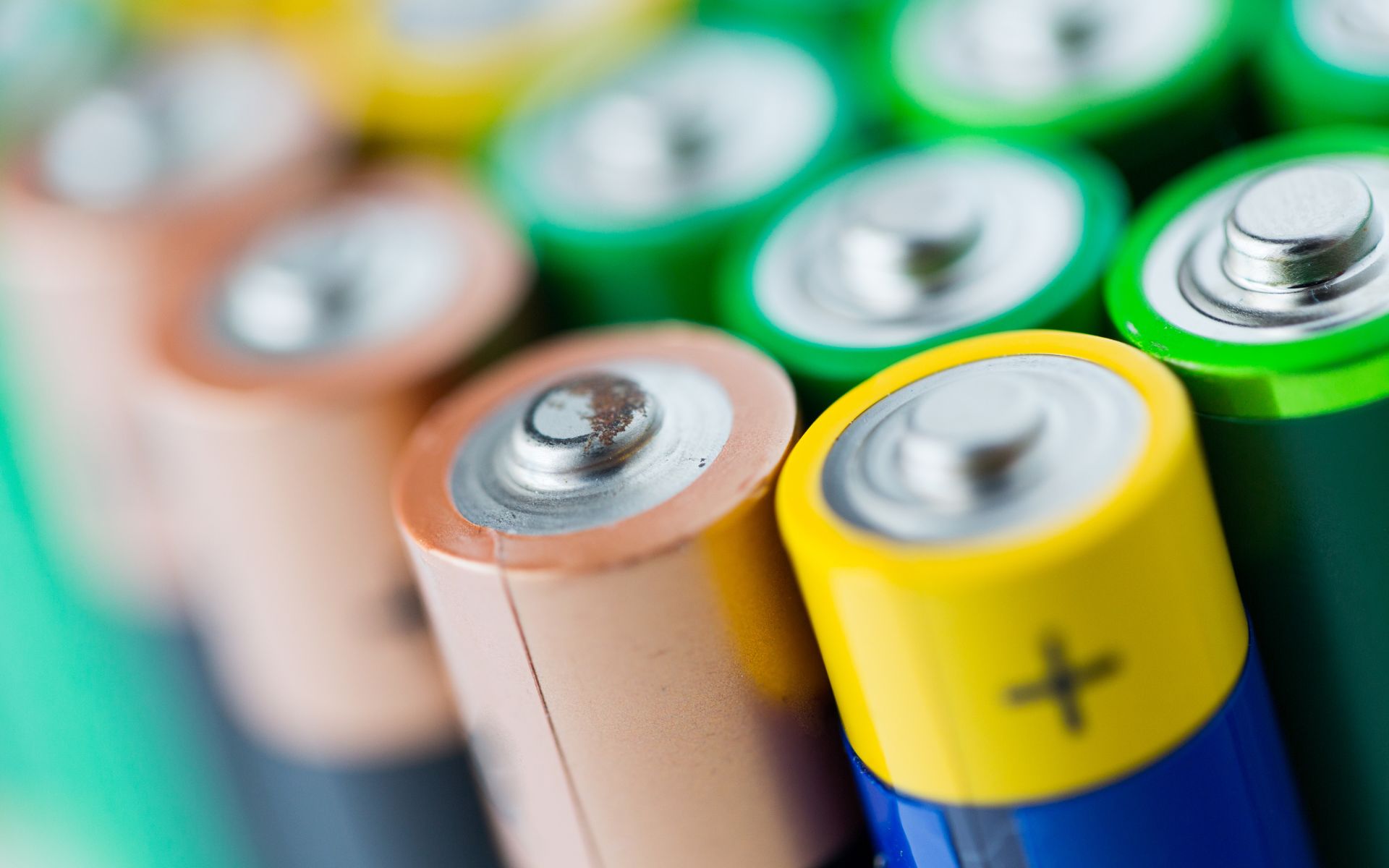

Batteries are a common household item, and while they make our lives more convenient, they can also harm the environment when disposed of improperly. Used batteries contain toxic chemicals, such as lead and cadmium, that can contaminate soil and water sources. So, switch to rechargeable batteries in order to reduce this environmental hazard.
Rechargeable batteries can be used multiple times, reducing the number of batteries that need to be disposed of. They are also more cost-effective in the long run, as they can be recharged many times before needing to be replaced. Additionally, many local recycling programs offer free or low-cost recycling options for rechargeable batteries, making it easy to dispose of them responsibly.
14. Donate Old Clothes and Household Items


Instead of throwing away old clothes and household items that are still in good condition, consider donating or selling them. Donating items to charities or thrift stores not only helps reduce trash but can also benefit those in need. Additionally, selling items online or at a garage sale can provide some extra cash while also keeping items out of landfills.
When donating or selling items, be sure to only give away items that are in good condition and can be reused. Clothing, furniture, and household items that are damaged or broken should be properly disposed of. Donating and selling items also helps promote a circular economy, where items are reused and repurposed rather than being discarded. By extending the life of items through donation and resale, we can reduce the amount of waste and trash generated and lessen our impact on the environment.
15. Reduce Junk Mail
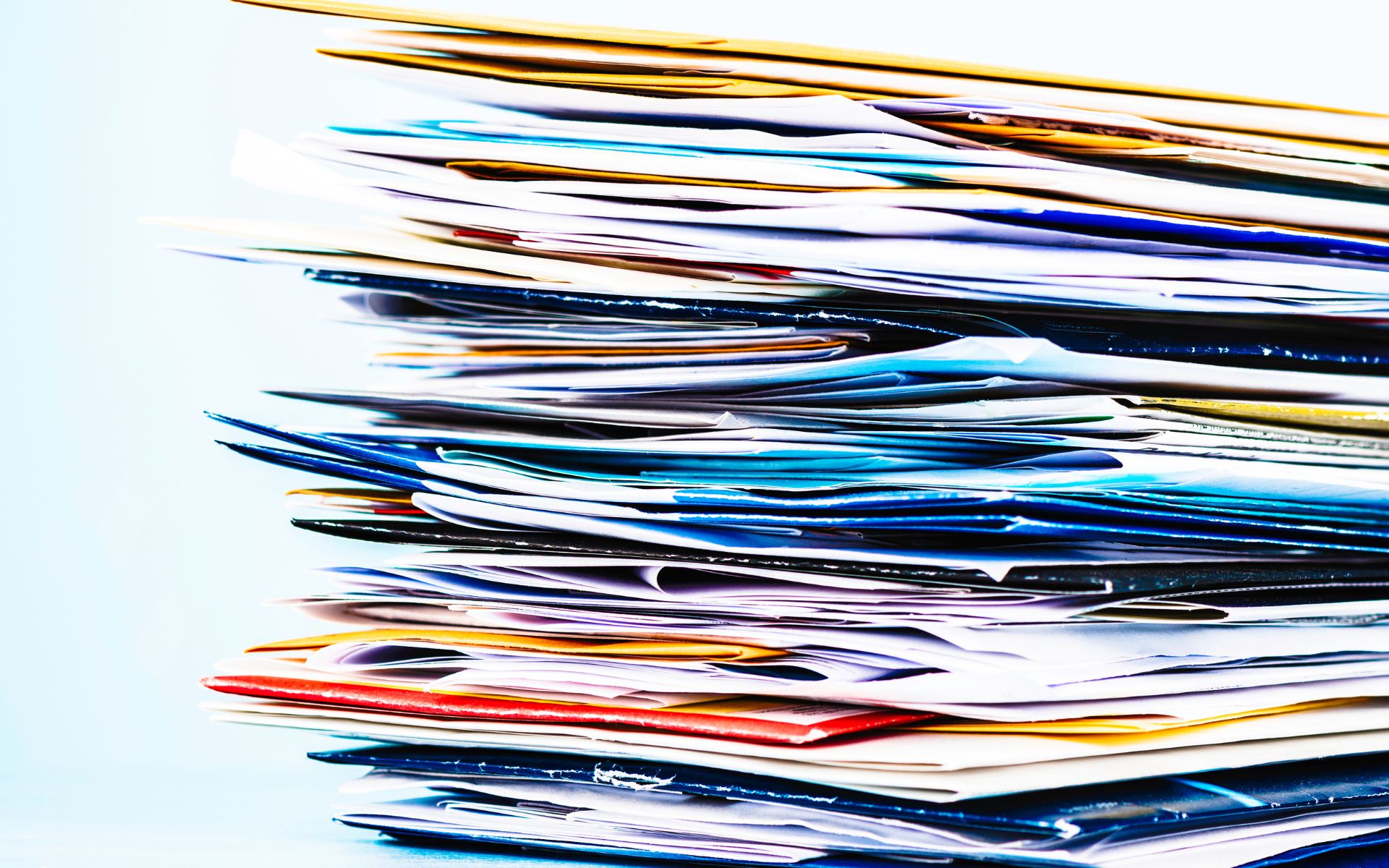

Junk mail is a common occurrence in most households and contributes significantly to paper waste. To reduce this trash, you can take several steps. Firstly, opt-out of receiving unsolicited mail by registering with the Direct Marketing Association’s Mail Preference Service. This service allows you to choose which companies you want to receive mail from, reducing the amount of unwanted mail you receive.
Another way to reduce junk mail is to go paperless for bills and statements. Most utility companies and financial institutions offer this option, which not only reduces paper waste but also saves you time and money on postage. You can also sign up for electronic newsletters and magazine subscriptions instead of receiving print versions.
Additionally, if you receive unwanted catalogs or advertisements, you can contact the company and request to be removed from their mailing list. This not only reduces paper waste but also saves you from cluttering your home with unwanted materials. It is also essential to properly recycle any junk mail you do receive. Most paper waste can be recycled, and by doing so, you’re contributing to reducing the amount of waste sent to landfills. Make sure to check your local recycling guidelines to ensure you’re properly disposing of the paper waste.
Ultimately, reducing our reliance on disposable cups and other single-use items is essential for the health of our planet. By making small changes in our daily habits, we can significantly reduce the amount of trash we produce and protect our environment for future generations. It is time to take action and make a difference in our world.
