15 Possible Signs You Are Pregnant

While pregnancy tests and ultrasounds are the only ways to determine pregnancy accurately, there are several signs and symptoms to look out for. Your body usually shows you clearly that fertilization has taken place. Most of the symptoms are associated with an increase in hormone levels. Of course, not every sign means you are pregnant. But the more typical symptoms you notice, the more likely it is. However, in the end, only a doctor can make the final decision.
Many women claim they did not know they were pregnant until they saw their bellies grow or even give birth. It typically happens to obese women, albeit any of us can skip the early pregnancy signs. Instead, check out these fifteen signs that have nothing to do with morning sickness.
1. Increased Sensitivity
We all have some sensitivity to certain foods and scents. However, if you can’t smell your favorite meals and you suddenly start hating your coworker’s perfume that you loved before, this might be a sign of pregnancy. That means that previously pleasant smells can become unpleasant and cause nausea, and aromas previously ignored can be liked.
Increased sensitivity during pregnancy is a sign of pregnancy for almost all women and lasts quite a long time, up to about 12 weeks. And this is an occasion to start taking care of yourself more and defend your boundaries. Therefore, you should walk more often in the fresh air to reduce nausea provoked by smells. While at home, ventilate the room for 5-10 minutes every two hours, as access to fresh air will help reduce discomfort.
If you have an increased sensitivity that does not disappear after a few days, head to your gynecologist asap. Also, be careful with food trends pregnant women should ditch.
2. Getting or Missing Your Perio
It is worth noting that a delay in menstruation is not always the first sign of pregnancy. With an irregular cycle, nervous overstrain, and past diseases, such cycle disorders can indicate other processes in the body. Amenorrhea is a common problem among women, and it is not a sign of pregnancy anymore. If you do not get your periods, make sure you see your gynecologist to figure out the reason.
Implantation bleeding is one of the most misleading pregnancy signs. It happens the week before regular menstruation and may trick you into thinking you are not pregnant. Implantation bleeding is typically brown or pink in color and usually lasts for a few hours but no more than three days.
In order not to guess and not worry once again, to determine pregnancy in the early stages, you should use a home test. Most of them will show pregnancy as early as 8 days after the missed cycle.
Read also – 6 Things That May Make Your Period Worse
3. Bloating
If boating is accompanied by the other signs on the list, pay attention. During the early stage of pregnancy, your body undergoes many changes. For example, if you are pregnant, your bowel function changes, and you may experience bloating, constipation, and rarely diarrhea.
Bloating is not a definite sign of pregnancy. It can be caused by allergies, an unhealthy diet, or a severe medical condition. Foods that are more likely to cause bloating are foods high in FODMAPs, such as wheat, apples, pears, plums, garlic, onions, legumes, and dairy products.
4. Swollen Breasts
The period when the breast begins to grow during pregnancy falls on the 4-6 weeks. Due to changes in the hormonal background, a woman may feel tingling, it may seem that her breasts have become heavier or larger, the swelling has appeared, and sensitivity has increased. These early pregnancy sensations disappear as the body adjusts to the new hormone levels.
However, many women skip this sign when trying to determine if they are pregnant because they think that swollen or tender breasts indicate PMS. While it is hard to tell the difference between pre-pregnancy and PMS breasts, darkening of the areola, which is a sign of pregnancy, may help you see the difference.
5. Mood Swings
Women experience mood swings during their periods too. Pre-pregnancy mood swings are much more frequent and intense, though, since estrogen and progesterone levels are elevated during pregnancy. This can cause changes in your emotional background and make you more sensitive than usual.
Bad mood, anxiety, anger, panic attack, depression, and increased emotionality indicate that you will probably become a mommy. These are all emotional signs of early pregnancy that many women report. They describe heightened emotions or even bouts of crying, which are associated with rapid changes in hormone levels in the body. Be aware that your boyfriend or husband can also be worried about your pregnancy.
6. Lightheadedness and Fainting
If you often feel like you are going to fall or faint, it is also a possible sign of pregnancy. Do not worry. It happens because your body is not ready to produce enough blood to fill a rapidly expanding cardiovascular system.
High blood pressure in the first 20 weeks of pregnancy usually means that some health problems occur along with pregnancy. Such a symptom may have been present unnoticed before pregnancy or developed during the process.
However, if you do not experience any other signs of pregnancy, dizziness may signal a severe disease. In such cases, monitoring your blood pressure and consulting your doctor are essential.
7. Urination Changes
During pregnancy, blood volume in the circulatory system increases, so more urine is excreted. At the same time, the pressure of the uterus on the bladder increases. Therefore, frequent urination indicates either pregnancy or bladder problems.
It is also a sign of urinary tract infections, bladder problems, kidney disease, and diabetes. That is why you should pay attention to the sign. If you are running to the toilet every ten minutes day and night and suffer from the six symptoms mentioned above, it might be a sign of pregnancy.
8. Fatigue
Fatigue, lethargy, and drowsiness are feelings most often noted during pregnancy in the early stages. However, they can appear at any time, and this is quite normal.
This condition of this one of the possible signs you are pregnant may be due to several factors: an increase in the level of the hormone progesterone, a decrease in blood pressure, an increase in blood production, and a decrease in blood sugar concentration.
However, you should consider that today every other woman suffers from chronic fatigue, so it is hard to associate this sign with pregnancy. If you are constantly feeling drained, even after 8-10 hours of sleep, and you have no desire to do anything, grab a pregnancy test or/and consult your doctor.
Read also – 7 Great Reasons to Exercise While Pregnant
9. Appetite Changes
Pregnancy can make you feel hungrier than ever, or you may have no appetite. When eating, you may even notice a metallic taste in the mouth. Your food cravings may change drastically, and you may start eating foods you have never eaten before to ease your nausea or boost your energy or mood. In this case, the combination of food components can be quite specific. There are even anecdotes about the vagaries in a pregnant woman’s food.
10. Nausea and Vomiting
Nausea and morning sickness usually develop between 4 and 6 weeks of gestation. Such symptoms can occur in the morning and at any time of the day. This symptom is typical for the first 12 weeks of pregnancy. If you often feel sick, you need to ensure that you drink enough water to avoid dehydration.
11. Spasms and Secretions
Changes in the female body occur from the first week of pregnancy, but the signs of these changes are not always specific. For example, discharge and spasms are caused by the attachment of the embryo to the uterus.
In addition, bleeding may occur during implantation, which makes it difficult to recognize pregnancy in the early stages – the sensations are close to those during their period.
The duration of implantation bleeding is less than during menstruation. Usually, the discharge ends within 1-2 days. However, secretion has features that are considered when determining pregnancy in the early stages.
12. Weight Gain
Weight gain becomes noticeable towards the end of the first trimester. The increase can range from 500 grams to 2 kilograms in the first few months. The calorie requirement in the early stages is not much different from usual, but it will increase as the pregnancy progresses.
The total weight of the expectant mother increases due to various factors. This is the intrauterine growth of the child and the changes taking place in her body, such as an increase in the uterus, the accumulation of fatty tissue, an increase in the volume of circulating blood and tissue fluid, and an increase in the size of the mammary glands).
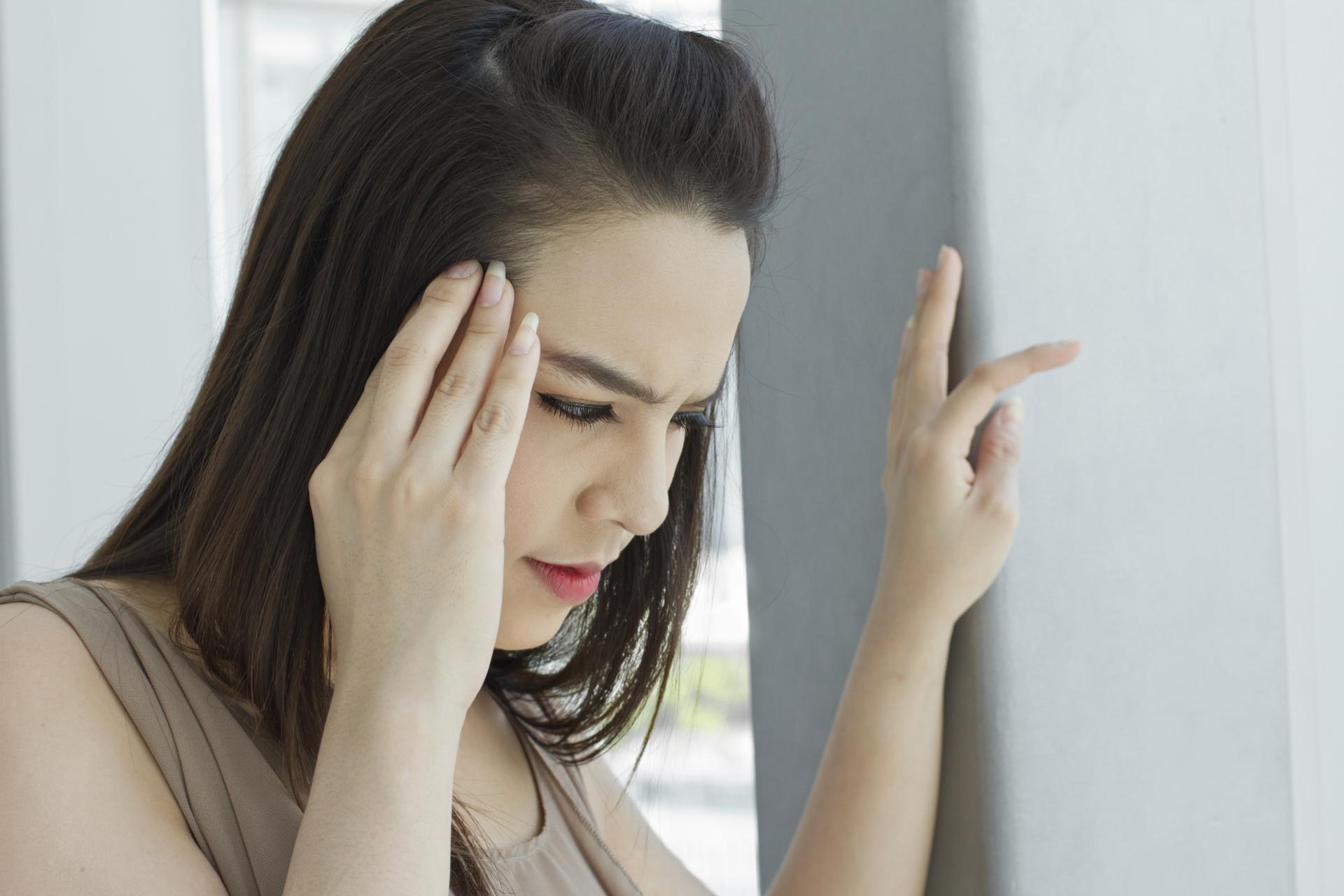
13. Headache
Due to the same hormones, the expectant mother feels a headache in the early stages, which can also be one of the signs of pregnancy. It is necessary to consult a doctor in order not to miss arterial hypertension.
Therefore, it would be best to make it a rule from the very beginning of pregnancy to regularly measure the pressure twice a day – in the morning, just waking up, before breakfast and hygiene procedures, and in the evening, at about 19-20 hours, after a 15-minute rest.
14. Acne
Suppose you forgot about skin rashes after you got out of adolescence, then during pregnancy. In that case, you may have to remember: acne can reappear on the face and again under the influence of hormones. Be patient. Over time, the condition of the skin will return to normal.
It is essential during this period to pay attention to face and body care. The immune system is being rebuilt to protect you and the baby, so choose hypoallergenic care products. They do not contain dyes and fragrances that can irritate the skin.
15. Basal Body Temperature
Basal body temperature is the lowest body temperature it reaches during rest or sleep. You can determine if you are pregnant by regularly measuring your basal body temperature. If your morning temperature is higher than usual after waking up for eighteen days, you are most likely pregnant.
Pregnancy brings joy and painful changes into your life, but it is one of the best things that could ever happen to you. If you haven’t planned your pregnancy, be thankful for this gift because some women can’t conceive, no matter how hard they try.