
15 Things to Consider Before Getting Your Nipples Pierced
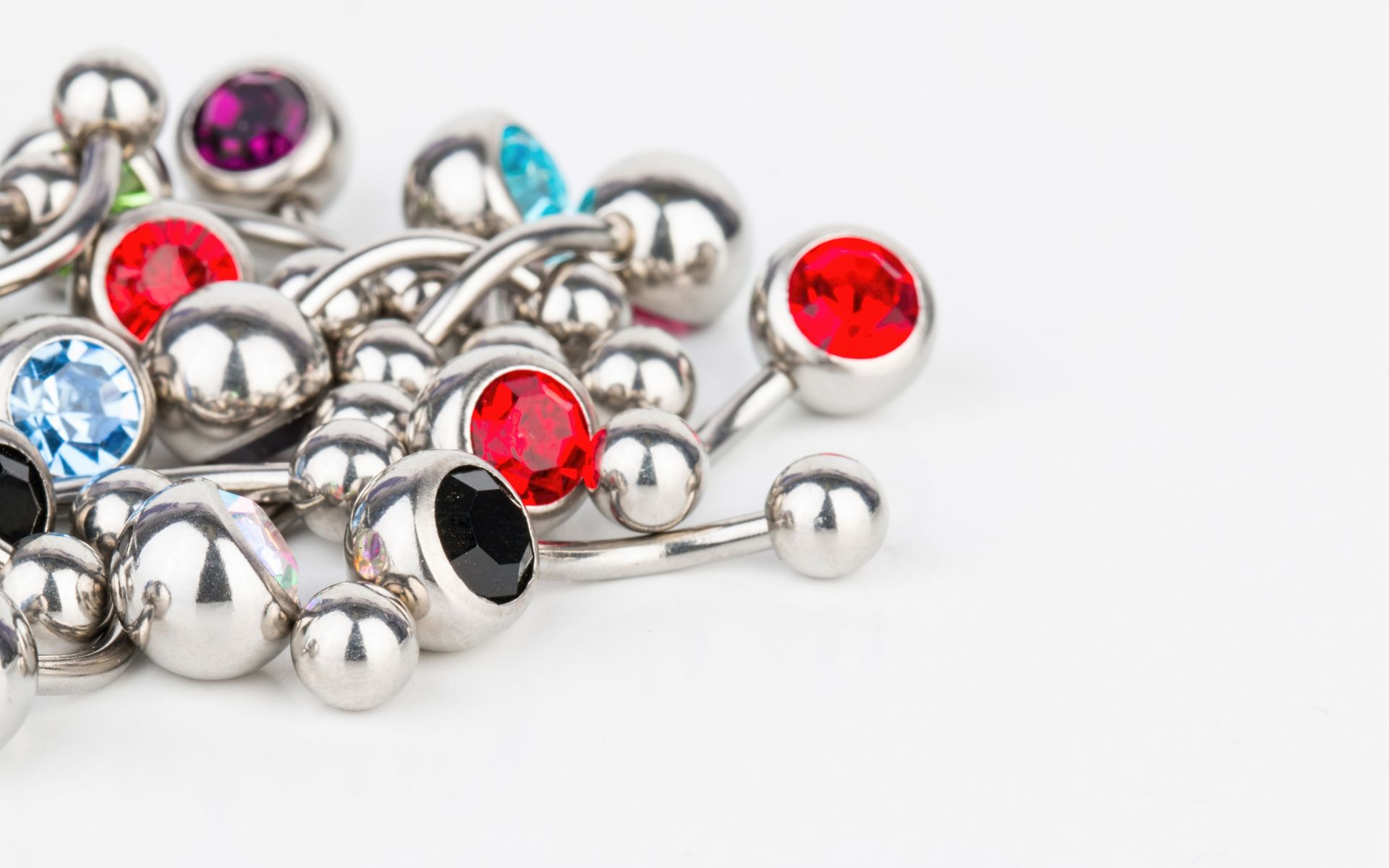

Nipple piercings have long been a popular accessory throughout the world, especially among young people. Today, this kind of adornment is considered to be highly erotic and stunning.
Since it is a quick and easy procedure, it is also one of the most tolerable forms of sexual modification. No wonder many people think about getting their nipples pierced. If you find yourself wondering if nipple piercing is right for you, here are some things to think about. This comprehensive nipple piercing guide can provide valuable insights into safe piercing practices and choosing piercing jewelry that suits your preferences.
1. Cost
Consider the cost before getting your nipples pierced. The average cost for a nipple piercing procedure ranges between $80-100. Body jewelry runs around $20-100, based on the quality of the ring or stud. However, it is also essential to consider that the total cost of the piercing is not limited to the price of the piercer consultation and piercing.
Further investments exceed this budget. You will have to spend money on quality jewelry and care products, which will need to be replaced over time. Piercing aftercare is crucial, and you should be prepared for ongoing expenses related to maintaining proper hygiene and preventing infections. Usually it is better to find APP certified piercer in US. Just search for – “Licensed piercing studio near me”.
Sometimes it is necessary to additionally go to the master for wound treatment and replacement of the product. Therefore a single nipple piercing can hypothetically range. Investing in high-quality body piercing tips and safe piercing practices can reduce the likelihood of complications.
2. Pain Threshold
Many people with pierced nipples will tell you that the process does hurt, but only for a short time. Depending on your individual pain threshold, the moment your skin is punctured might cause you to flinch or barely even feel a thing.
Because the nipple is a sensitive area, to begin with, if you are squeamish, this might be a factor to consider. However, pain is reduced because the procedure is done very quickly. Those who have undergone nipple piercings assure that it looks like a strong pinch – nothing more.
When the nipple piercing is done, going braless is the best bet. Anything abrasive against the skin will only cause discomfort. The other thing that might occur due to the piercing is temporary bleeding that can last up to a week. Should the bleeding become heavier and continuous, see a doctor immediately.
Read also – 7 Benefits of Having Small Breasts
3. Healing
Another one of the essential things to consider before getting your nipples pierced. Once you get your nipples pierced, the complete healing takes 8-12 months. Active individuals may need longer to heal. Larger breasts also experience a longer healing period.
W
hen months pass without the nipple piercing healing properly, you may be experiencing jewelry rejection or an allergy to the jewelry material. You may have also aggravated the healing process somehow or be prone to infection. If this is the case, be sure to see your doctor, he/she will help with nipple piercing infection treatment.
4. Possible Risks
If, during the healing period of nipple piercing, a person does not follow the rules of hygiene, which can cause inflammation, pain, and suppuration. If any of these symptoms appear, you should immediately consult a doctor.
The most common causes of inflammation and problems during healing of the nipple piercing are mechanical injuries (touching jewelry, wearing a lace bra and mesh shirt on a naked body) and contact with dirty hands. Also, problems with regeneration can arise due to weakened immunity. how to treat an infected nipple piercing
An allergic reaction to the metal the nipple piercing is made of can happen. If you insert an inappropriate decoration into a fresh puncture, many unpleasant consequences are possible: itching, rash, inflammation, and swelling at the puncture site.
5. Aftercare
You will need an aftercare product (usually obtainable at the piercing parlor). When caring for the nipple piercing, thoroughly wash your hands before touching them. Set aside 5-10 minutes a day to soak the area in saline or sea salt. Briefly rinse to remove residue. No more than thirty seconds of soap and water twice a day. When patting dry, only use disposable paper products. Towels can snag.
6. Age and Occupation
Body piercing laws vary from state to state. If you are under 18, the professional shops will want to see your parents or a note of parental consent, along with your I.D. However, if you are over 18 and making waves in your career, here is another thing to consider: the formality of your job.
I already mentioned that you must go braless for a time (or all the time). Take time to think about the uniform, if you have one, or whether or not your job is active or physical. Nipple piercings may be visible through some clothing.
7. Bra or No?
Wearing a bra is also one of the significant things to consider before getting your nipples pierced. Speaking of bras, I cannot preface it enough: you will need to go braless for a while. A-cups can do this without much issue. Anything else may pose problems. Yet, after the initial healing process, many women with nipple modifications report that bras feel better than letting the breasts hang loose.
The reason is that some fabrics – like sweater material, mesh, or chiffon – can feel like sandpaper. The main thing is changing out your bra when you sweat. Moisture means bacteria, which poses a health threat to nipple piercing.
Read also – 27 Most Effective Ways to Make Your Breasts Grow (Seriously)
8. Breastfeeding
Nothing stops you from breastfeeding as a woman, not even two rings hanging in the way of your infant’s mouth. Okay, I am joking. You will need to change your rings to smaller ones, so your baby does not choke. Otherwise, lactation and breastfeeding will not be hindered by your nipple piercings at all. Very few women experience complications, but it is nothing that cannot be fixed.
However, should you remove your jewelry for the full duration of your breastfeeding period, you might need to go through repiercing once your child has been weaned. That said, taking out the nipple piercing and replacing it once the baby has had his/her fill is perfectly fine, but the soreness from breastfeeding might cause trouble when trying to reinsert the piercing.
9. Sensitivity and Arousal
Back when nipple piercings first hit the fashion scene, it was for two reasons: looks and eroticism. People report that having a piercing makes their nipples more sensitive. No, you will not be turned on constantly by your breasts rubbing against your clothing. Flatter nipples will be easier to arouse too.
But during the healing process of the nipple piercing, tell your partner to take his hands and mouth off for 2 weeks or longer. Entertain yourselves some other way until you know the piercing is no longer vulnerable to rejection, germs, and bacteria.
10. Finding the Salon
Not every master can perform this procedure so that it does not cause unnecessary pain and does not lead to complications. Therefore, pay special attention to finding a suitable salon before getting your nipples pierced.
Ideally, this is an office where only piercings are done. But professional tattoo parlors may also be suitable. Be sure to read reviews about this place on social networks and forums. Ask for the portfolio of the person performing the procedure and make sure they have professional training certificates.
In short, getting your nipples pierced is your choice. Like any piercing or tattoo, a nipple piercing does take time to heal. Keep in mind your lifestyle, job, and past medical conditions that may affect the healing process.
Otherwise, getting a nipple pierced is a safe and common practice. And if you find you do not like your nipples pierced, these areas close up within 24 hours once the piercing has been removed.
11. Checking for Allergies
Checking for allergies is an essential factor to consider before getting your nipples pierced. It is important to be aware that nipple piercings involve inserting a foreign object – the jewelry – into your body. This means there is a risk of an allergic reaction, particularly if you are sensitive to certain metals. Common metals used in nipple piercing jewelry include surgical steel, titanium, and gold.
If you have a history of allergies or sensitive skin, it is important to discuss this with a professional piercer before getting your nipples pierced. They can help you choose jewelry made from materials less likely to cause a reaction, such as medical-grade titanium niobium nipple jewelry. They may also suggest a patch test to determine whether you have an allergy to any of the metals used in nipple piercing jewelry.
12. Nipple Shape and Size
Before getting your nipples pierced, you should also consider the size and shape of your nipples. Nipple shape and size can impact the placement and success of the piercing. For example, if your nipples are inverted or particularly small, it may be more challenging to pierce them, and the resulting jewelry may not look as aesthetically pleasing as it would on larger, more prominent nipples.
In addition to physical factors, the size and shape of your nipples can also affect how comfortable the piercing will be. If your nipples are particularly sensitive or prone to irritation, you may experience more pain or discomfort during the piercing process. You should know that the procedure can cause pain and discomfort, as it involves puncturing the nipple with a needle.
13. Jewelry Options
Don’t forget about the importance of jewelry options. There are many options for nipple piercing jewelry, including barbells, rings, and shields. Barbells are the most common type of jewelry and are straight bars with a ball on each end. Rings are also popular and come in various shapes, sizes, and materials. Finally, shields are a more decorative option, often featuring intricate designs or chains.
When choosing jewelry for your nipple piercing, it is important to consider factors such as comfort, style, and healing time. It is also essential to choose high-quality jewelry made from materials that are safe for your body. Common materials for nipple piercing jewelry include surgical steel, titanium, and gold. If you have a history of allergies or sensitive skin, choose jewelry made from hypoallergenic nipple piercing metals like niobium.
14. Piercing on Both Nipples
Before getting your nipples pierced, it’s important to consider if you want to have both nipples pierced. While many people choose to have both nipples pierced for symmetry or aesthetic reasons, others may only want to have one nipple pierced for a more subtle look. Ultimately, deciding to pierce one or both nipples is a personal choice and should be made based on individual preferences and goals.
One thing to keep in mind is that piercing both nipples at once can lead to more discomfort and a longer healing time. This is because both nipples will be healing simultaneously, which can be more challenging for the body to handle. Therefore, it may be best to space the piercings to avoid prolonged discomfort and allow for more effortless healing.
15. Pain Management
To manage pain during a nipple piercing, there are a few things to consider. One option is to take a pain reliever, such as ibuprofen, before the procedure. This can help reduce any discomfort and make the process more tolerable.
Another option is to consider topical numbing agents, such as lidocaine cream. This type of cream can be applied to the nipple area before the piercing to help reduce the pain. It’s important to discuss the use of topical numbing agents with a professional piercer to ensure they are safe and effective.
In short, getting your nipples pierced is your choice. Like any piercing or tattoo, a nipple piercing does take time to heal. Keep in mind your lifestyle, job, and past medical conditions that may affect the healing process.
Otherwise, getting a nipple pierced is a safe and common practice. And if you find you do not like your nipples pierced, these areas close up within 24 hours once the piercing has been removed.
FAQs: Most interesting questions about things to consider before getting your nipples pierced
What should you not do before getting your nipples pierced?
Do not drink alcohol the day before the procedure – this can lead to excessive bleeding, and the state of a hangover, in turn, can increase the discomfort. In addition, do not take any medications that impair blood clotting.
Avoid high doses of caffeine a few days before your procedure, and don’t drink coffee the day before. Also, if you are taking nutritional supplements or alternative medications, study them and ensure they do not increase your risk of unwanted bleeding.