
12 Reasons You Should Be Eating Mango Daily (+ Mango Ice Cream Recipe)

)
Mango is one of the most nutritionally dense fruits out there. Thus eating them daily can help you get ultimate health. Thanks to its high vitamin content, mango can help ward off a number of serious health issues.
Mango helps keep your heart, liver, brain, digestion, skin, and eyes healthy and reduces cancer risk. It is not hard to squeeze at least one mango into your meal plan, but first, find out what health benefits you can reap from this feel-good fruit.
1. Make Your Brain Smarter Every Day
)
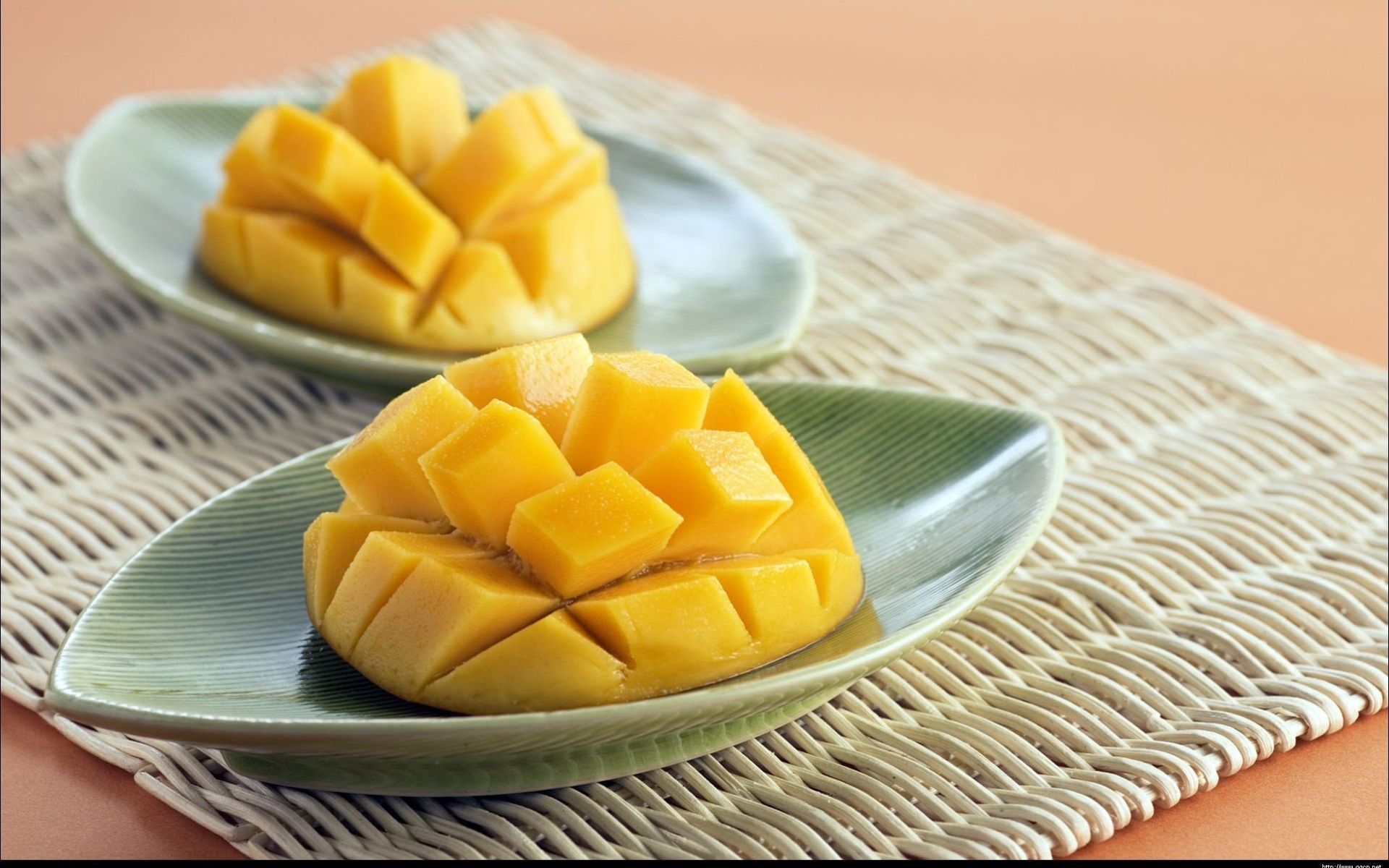
Mango is a delicious fruit that offers numerous health benefits. Its impact on brain function is one of its most notable benefits. If you want to make the most of your brain’s capabilities daily, consuming mango or mango juice in the morning or throughout the day can be beneficial, especially for creative people.
Mango contains a wealth of vitamin B6, vital in maintaining optimal brain function and aiding the formation of neurotransmitters that promote healthy mood and sleep patterns. Deficiencies in vitamin B6 have been associated with mood disorders such as depression and anxiety. By consuming mango, you can boost your brain’s levels of this important vitamin and help support your overall mental health.
Besides its abundance in vitamin B6, mango is also a significant source of glutamine, an amino acid that aids in enhancing memory and concentration. Glutamine is a crucial precursor to the neurotransmitter glutamate, which plays an important role in learning and memory. Therefore, consuming mango regularly can help increase glutamine levels, improving cognitive function and mental clarity.
2. Get Flawless Skin

)
Mango is delicious to eat or drink and a great addition to your beauty routine. It contains various antioxidants, minerals, and vitamins A, C, and E that can benefit your skin in several ways. Mango is known to improve skin tone, texture, and overall appearance. It also helps in fighting acne, preventing premature aging, and reducing the appearance of fine lines and wrinkles.
When you don’t feel like consuming mango or drinking its juice, using it as a face mask can still benefit from its beauty-enhancing properties. Mix mashed mango with yogurt and apply it to your face for about 15 minutes. This mixture will nourish your skin and leave it feeling soft and smooth. Rinse off with warm water and follow up with a moisturizer to lock in the hydration.
Using mango slices is another great way to pamper your skin. Place slices of ripe mango on your face and let them sit for 10-15 minutes. The enzymes in mango can help exfoliate the skin, removing dead skin cells and revealing brighter, more youthful-looking skin. Rinse off with water and pat dry.
Mango also has natural astringent properties that can help unclog pores and prevent the buildup of dirt and oil, which can lead to acne breakouts. Additionally, mango contains beta-carotene and lycopene, which are known to protect the skin against UV radiation and environmental stressors.
Read also – 10 Wonderful Foods That Will Give You Great Skin
3. Nourish Your Liver

)
Mango is not only a delicious fruit but also a highly nutritious one. It is rich in powerful antioxidants that aid in cleansing the liver of harmful toxins. The liver is one of the most vital organs responsible for detoxifying the blood and removing toxins, and eating mango regularly can help support its optimal function.
Research has shown that mangoes can prevent liver disorders and protect liver cells from damage caused by free radicals. Free radicals are unstable molecules that can cause oxidative stress and cell damage, leading to chronic diseases such as liver cancer. The high content of antioxidants in mangoes, such as beta-carotene, vitamin C, and polyphenols, helps neutralize free radicals and reduce the risk of developing liver cancer.
4. Boost Immunity

)
Mango is a rich source of vitamins A and C, which are crucial in maintaining a healthy immune system. These vitamins act as powerful antioxidants that protect your body from harmful free radicals that can cause oxidative stress and damage your cells.
Adding mango to your daily diet can help improve your overall energy level, making you feel more active and alert throughout the day. The natural sugars in mango provide a quick energy boost without causing a sugar crash, making it an ideal snack for those mid-day slumps. You can add mango to your smoothies or salads or simply enjoy it as a standalone snack to reap its energizing benefits.
5. Keep Your Eyes Healthy

)
Another one of the most significant benefits of mango is its ability to improve eye health. One average-sized mango contains 72 percent of your recommended daily amount of vitamin A, vital for your eyes. Vitamin A maintains the healthy vision and prevents eye diseases such as cataracts and macular degeneration. Consuming mangoes regularly can promote good eyesight and prevent dry eyes and night blindness.
In addition to vitamin A, mangoes are also rich in other important nutrients, such as vitamin C and beta-carotene, which are known to support eye health. Vitamin C helps to reduce the risk of developing cataracts, a common age-related eye condition. At the same time, beta-carotene is converted into vitamin A by your body and helps to protect your eyes from harmful UV rays.
Mangoes also contain a range of antioxidants, such as zeaxanthin and lutein, which help to protect your eyes from damage caused by free radicals. These antioxidants help to reduce inflammation in your eyes, preventing the development of various eye conditions.
6. Prevent Heat Stroke

)
Mango can also help prevent heat stroke during the hot summer months. Heat stroke occurs when the body’s internal temperature rises to dangerous levels due to prolonged exposure to high temperatures. Symptoms include dizziness, nausea, and confusion; in severe cases, it can lead to coma or even death.
Mango can help prevent heat stroke in several ways. First, it is high in water content, which helps to keep the body hydrated and cool. Dehydration is a significant risk factor for heat stroke, so staying hydrated is essential during hot weather. Drinking mango juice mixed with water and ice cubes is an excellent way to stay hydrated and prevent heat stroke.
Additionally, mango is rich in vitamins and minerals that help regulate body temperature and keep the body cool. For example, mango is an excellent source of potassium, an electrolyte that helps balance fluids in the body. Potassium deficiency can lead to fluid imbalances in the body, contributing to heat stroke.
Mango also contains vitamins A and C, powerful antioxidants that protect the body against heat stress. These vitamins help strengthen the immune system, fight inflammation, and reduce the risk of the cell damage caused by heat stress.
7. Lower Cholesterol Levels

)
The high fiber and pectin content of mangoes helps to reduce the levels of bad cholesterol (LDL) in the body. Cholesterol is a type of fat found in your blood; high levels of it can increase your risk of heart disease.
Mango is rich in fiber and pectin, both beneficial for reducing cholesterol levels. The mango fiber helps bind to cholesterol in the digestive system and prevents it from being absorbed into the bloodstream. Pectin is a type of soluble fiber that has been shown to lower LDL (harmful) cholesterol levels in the blood.
Furthermore, mango contains compounds called sterols that have been found to block cholesterol absorption in the intestines. This means that when you eat mango, your body can absorb less cholesterol in your food.
Several studies have found that consuming mango regularly can significantly reduce total cholesterol levels, LDL cholesterol levels, and triglycerides. One study showed that participants who consumed mango for six weeks saw a 20% reduction in their LDL cholesterol levels.
8. Reduces Inflammation

)
One of the most important benefits of consuming mango is its ability to reduce inflammation. Inflammation is a natural response of the body’s immune system to injury or infection, but chronic inflammation can damage tissues and organs, leading to various health problems. Mango is rich in antioxidants and anti-inflammatory compounds that can help to prevent chronic inflammation, which is linked to various health problems, including heart disease, diabetes, and cancer.
One of the most potent anti-inflammatory compounds in mango is mangiferin. This compound has been shown to have powerful antioxidant and anti-inflammatory properties. Studies suggest it may help reduce inflammation by reducing the production of inflammatory chemicals called cytokines. Additionally, mango contains other anti-inflammatory compounds, such as quercetin, gallic acid, and catechins, which may also help to reduce inflammation in the body. Reducing inflammation is important for maintaining good health, as chronic inflammation is linked to many health problems.
Read also – 5 Ways Fruits Can Help You Shed Weight
9. Supports Bone Health

)
Mango is rich in vitamin K, a crucial nutrient for bone health. Vitamin K helps form bone proteins and supports calcium absorption, a mineral vital for bone health. Consuming mango regularly can help prevent bone loss and reduce the risk of osteoporosis, a condition where the bones become brittle and weak.
Aside from vitamin K, mango is also a good source of other important nutrients for bone health, including calcium, magnesium, and phosphorus. These minerals work together to build strong bones and prevent bone-related conditions. One cup of sliced mango contains about 23 milligrams of calcium, 18 milligrams of magnesium, and 20 milligrams of phosphorus.
Consuming mango regularly can also improve the overall health of your joints. As it was mentioned above, mango is rich in antioxidants and anti-inflammatory compounds that can help reduce inflammation in the body, including joint inflammation. As a result, inflammation can damage the joints and contribute to conditions such as arthritis, making it essential to incorporate anti-inflammatory foods like mango into your diet.
10. Help with Weight Loss

)
Mango is a delicious fruit that can provide numerous health benefits, including aiding in weight loss. This is because it is low in calories and high in fiber, which can help you feel full and satisfied for longer periods. Eating mango can help you reduce your overall calorie intake, essential for weight loss. In addition, the fiber content in mango can also help regulate your digestive system and prevent constipation, which is a common issue for those trying to lose weight.
Mango is also a good source of vitamins and minerals, including vitamin C, which can help boost your immune system and protect against infections. This is important when trying to maintain a healthy weight, as a weakened immune system can lead to illnesses that may affect your ability to exercise and stay active.
Furthermore, mango contains compounds that can help regulate blood sugar levels and prevent insulin resistance, which is a condition that can lead to weight gain and other health issues. By consuming mango, you can improve your body’s ability to regulate blood sugar levels, which can help prevent overeating and reduce your risk of developing diabetes.
11. Improves Cardiovascular Health

)
Mango is abundant in antioxidants, including beta-carotene, quercetin, and astragalin. These antioxidants play a crucial role in reducing inflammation and oxidative stress in the body, which in turn contributes to the prevention of heart disease.
Moreover, mango is a rich source of dietary fiber that can aid in reducing cholesterol levels and minimizing the risk of heart disease. Furthermore, mango contains a significant amount of potassium, a mineral vital for maintaining optimal blood pressure levels. High blood pressure is a leading risk factor for heart disease, making it crucial to consume potassium-rich foods such as mangoes to help lower the risk of developing heart disease.
Mango is also abundant in compounds that can enhance blood circulation and deter blood clots, lowering the risk of heart disease. A study conducted over a six-week period revealed that individuals who consumed mango on a daily basis experienced a noteworthy decrease in blood pressure, as well as an improvement in cholesterol and blood sugar levels.
12. Keep Your Digestive System Healthy

)
Fiber is an essential nutrient that promotes regular bowel movements, maintains digestive health, and helps prevent chronic diseases. Mango is an excellent source of fiber, with one mango providing 20% of the daily recommended intake. Eating a mango daily can help prevent toxins from entering the body and eliminate harmful waste, promoting a healthy digestive system.
In addition to fiber, mango contains natural digestive enzymes that aid in breaking down food, facilitating nutrient absorption, and reducing inflammation in the gut. Mango also has high levels of water, which helps prevent constipation and promotes regularity.
Moreover, mango is an excellent source of vitamins and minerals that support overall health. One mango contains over 100% of the daily recommended vitamin C intake, essential for immune function, skin health, and wound healing. It also has vitamin A, which supports eye health and can help prevent vision loss.
Furthermore, mango is rich in antioxidants that help protect the body against free radical damage and inflammation, which are associated with chronic diseases such as cancer, heart disease, and Alzheimer’s disease. These antioxidants include compounds such as beta-carotene, quercetin, and mangiferin, unique to mango and not found in many other fruits and vegetables.
If you are not eating mango, consider adding some to your weekly meal plan. There are many ways to eat mangoes – from smoothies and ice creams to salads and cheesecakes. Reap all the benefits this delicious fruit offers. Check out a healthy mango ice cream recipe on a hot summer day.
Mango Ice Cream Recipe

)
Ingredients:
- 2 large mangoes, peeled and mashed
- ½ cup powdered sugar
- 2 cups heavy whipping cream
- 2 teaspoons vanilla extract
- fresh mint leaves
Directions:
Blend mangoes, powdered sugar, and vanilla extract until smooth. Whip the cream until soft peaks form. Add the mango mixture and mix well. Pour into a freezing tray and place in your freezer for an hour or until your ice cream is half frozen.
Remove the ice cream from the freezer and whip it again for a minute. Let your ice cream freeze overnight. Scoop, garnish with fresh mint leaves, and enjoy.


)