15 Foods to Eat to Increase Your Iron Intake

Iron is an essential nutrient that carries oxygen through the blood to the rest of the internal organs of the body. Iron deficiency can cause weakness, fatigue, and even anemia. Luckily, there are certain foods we can eat to boost our iron intake. These foods are particularly essential for women since they lose blood monthly during menstruation.
While a blood test can help you find out if your iron levels are low, consuming iron-rich foods will certainly give you some boost. So, if you are looking to increase your iron intake, here are a few delicious foods you should incorporate into your daily diet.
1 Oysters
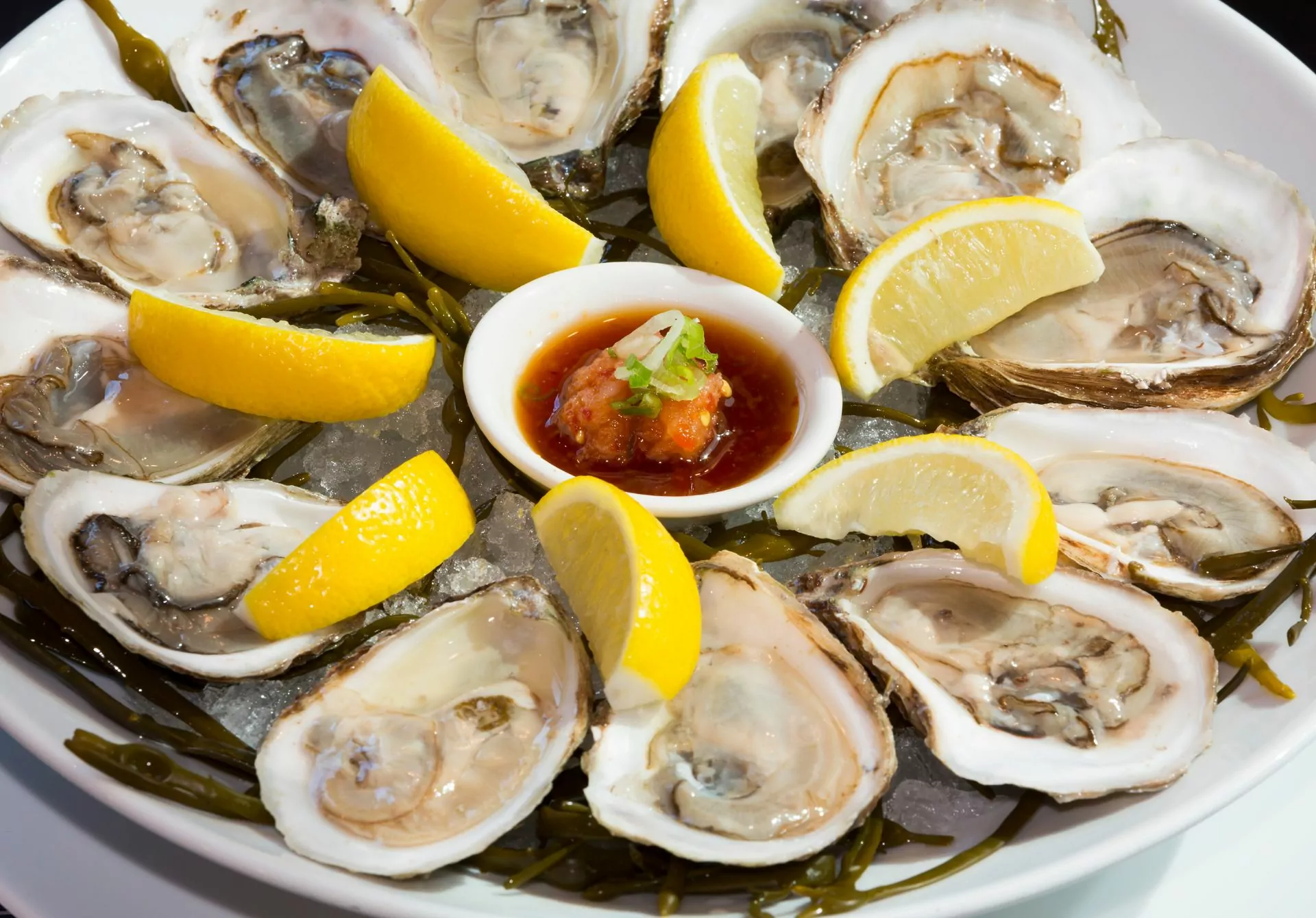

Although you can’t eat oysters every day, it’s worth eating them every now and then. 3 ounces of oysters have more than 30 percent of your recommended daily iron intake.
More: 5 Reasons to Increase Your Copper Intake
In case you can’t find fresh oysters, you can use canned oysters in a seafood taco or pasta sauce. Canned oysters are also high in iron. Therefore, they can help increase your iron intake.
2 Spinach
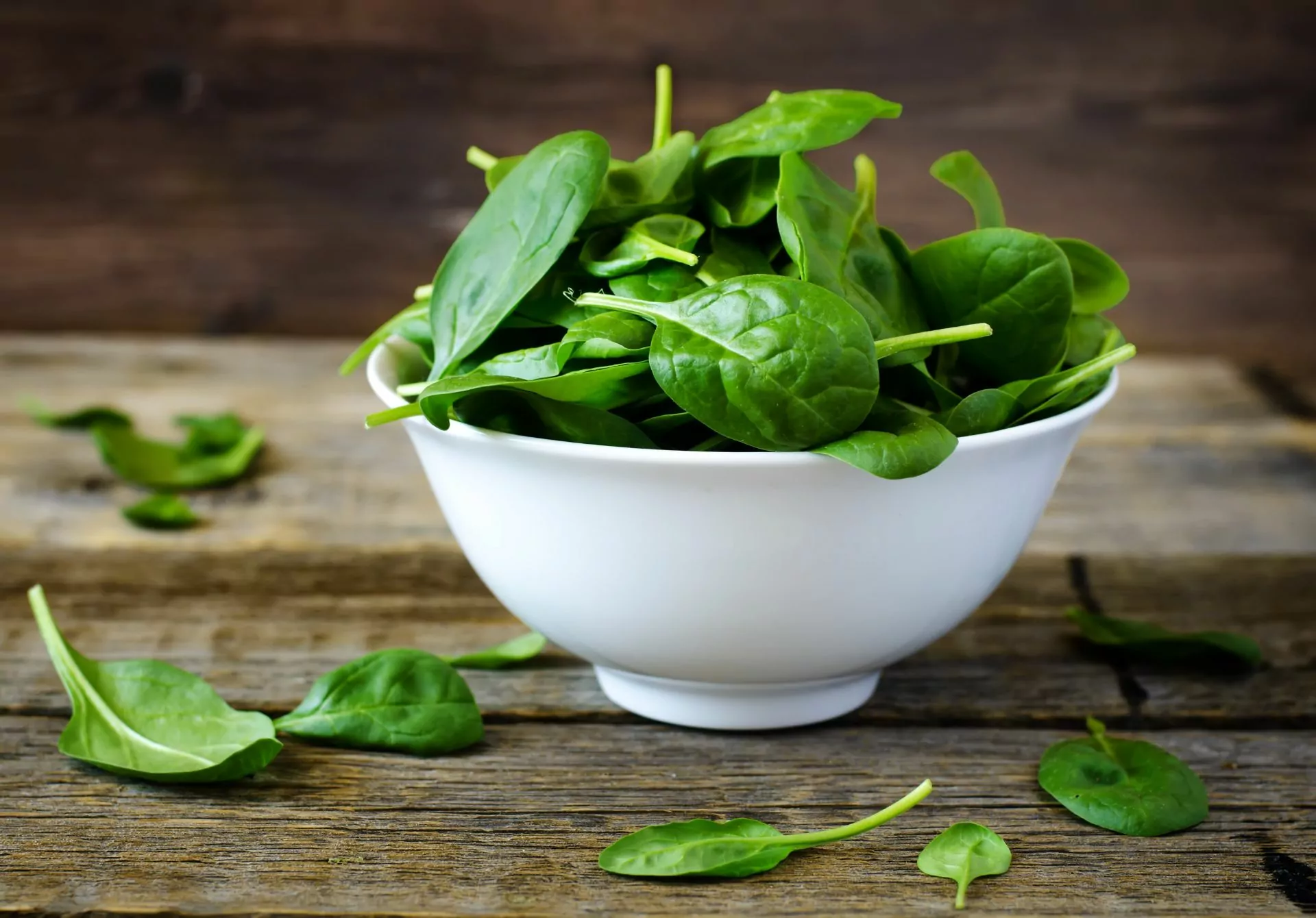

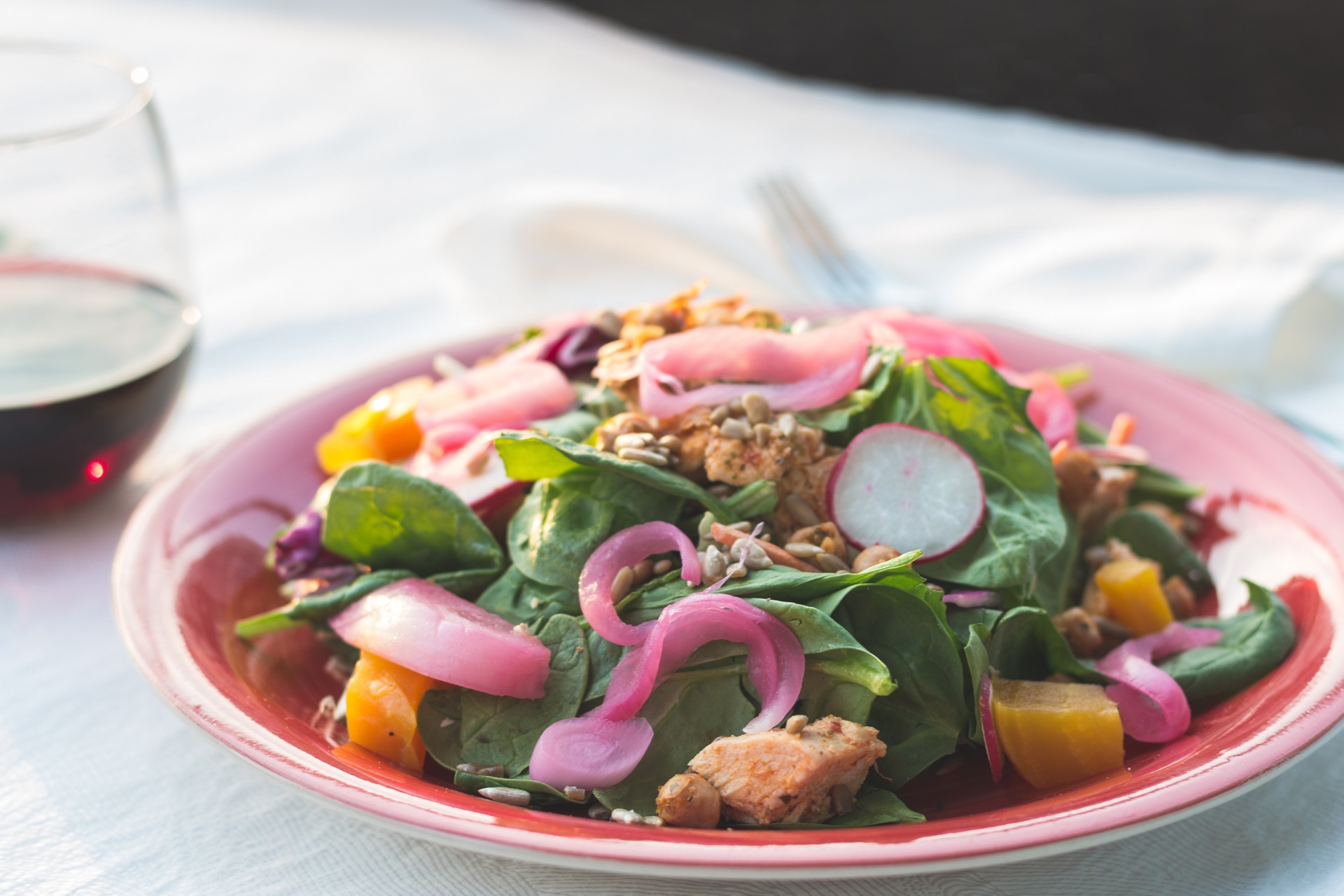
If you are trying to get more iron, make sure you add spinach to your daily diet. Spinach boasts numerous health benefits, so why not reap them all while increasing your iron intake? You can use spinach in your salads, vegetable soups, and smoothies or just pile it on your sandwich.
Have you ever tried sautéed spinach? It’s a super tasty side dish that you can serve with fish or chicken. Spinach has over 10 percent of your recommended daily iron needs.
Read also – 7 Wonderful Foods That Will Give You Great Skin
3 Beef
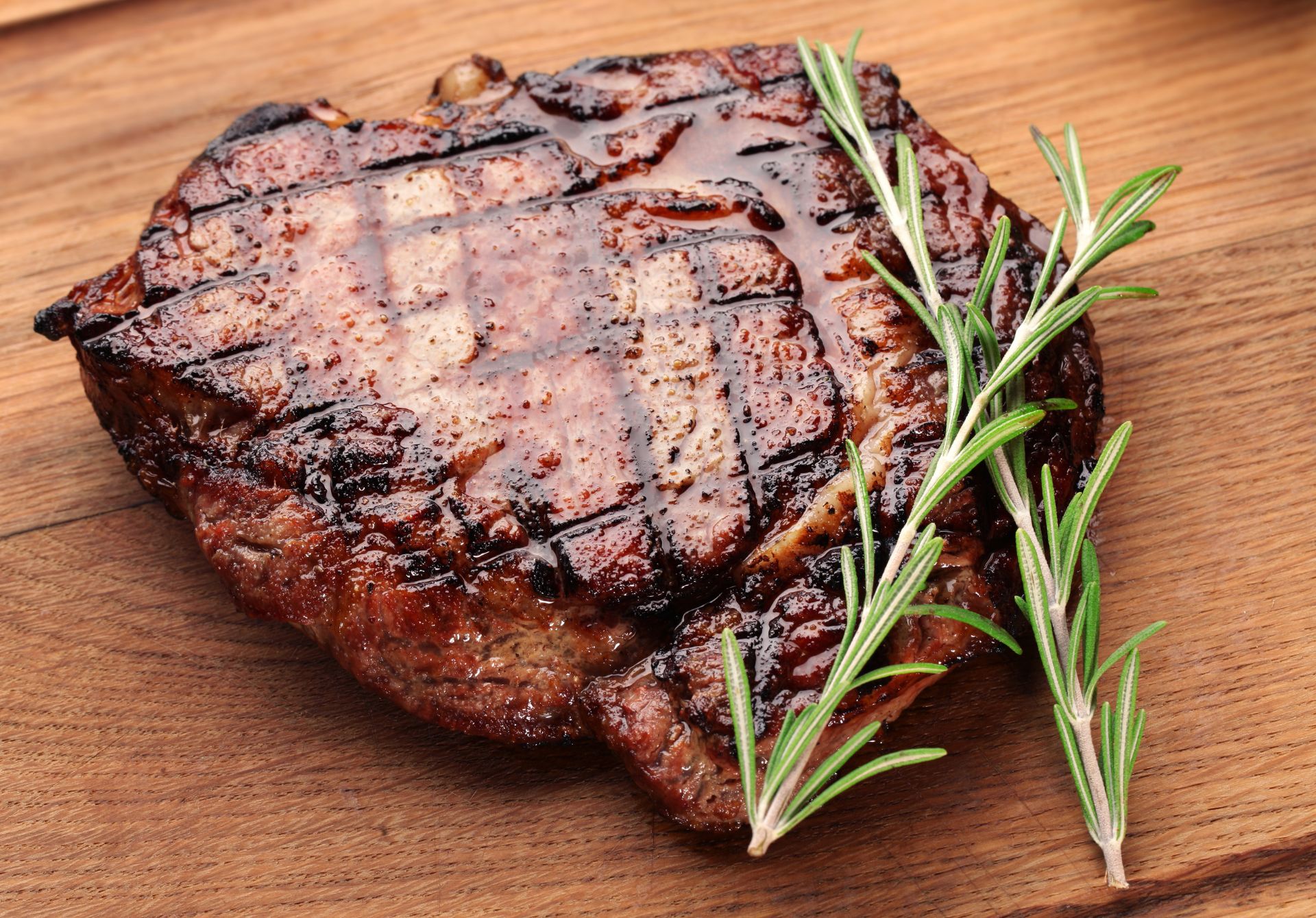

Another delicious food to eat to increase your iron intake, of course, if you are not a vegetarian, is beef. 3 ounces of beef have about a quarter of your recommended daily iron intake. Opt for ground beef or lean steaks to keep your calorie and saturated fat intake under control.
After all, what can be better than a juicy, thick grilled steak? Though you can also add beef to burritos, stews, or salads to increase your iron intake.
4 Tuna
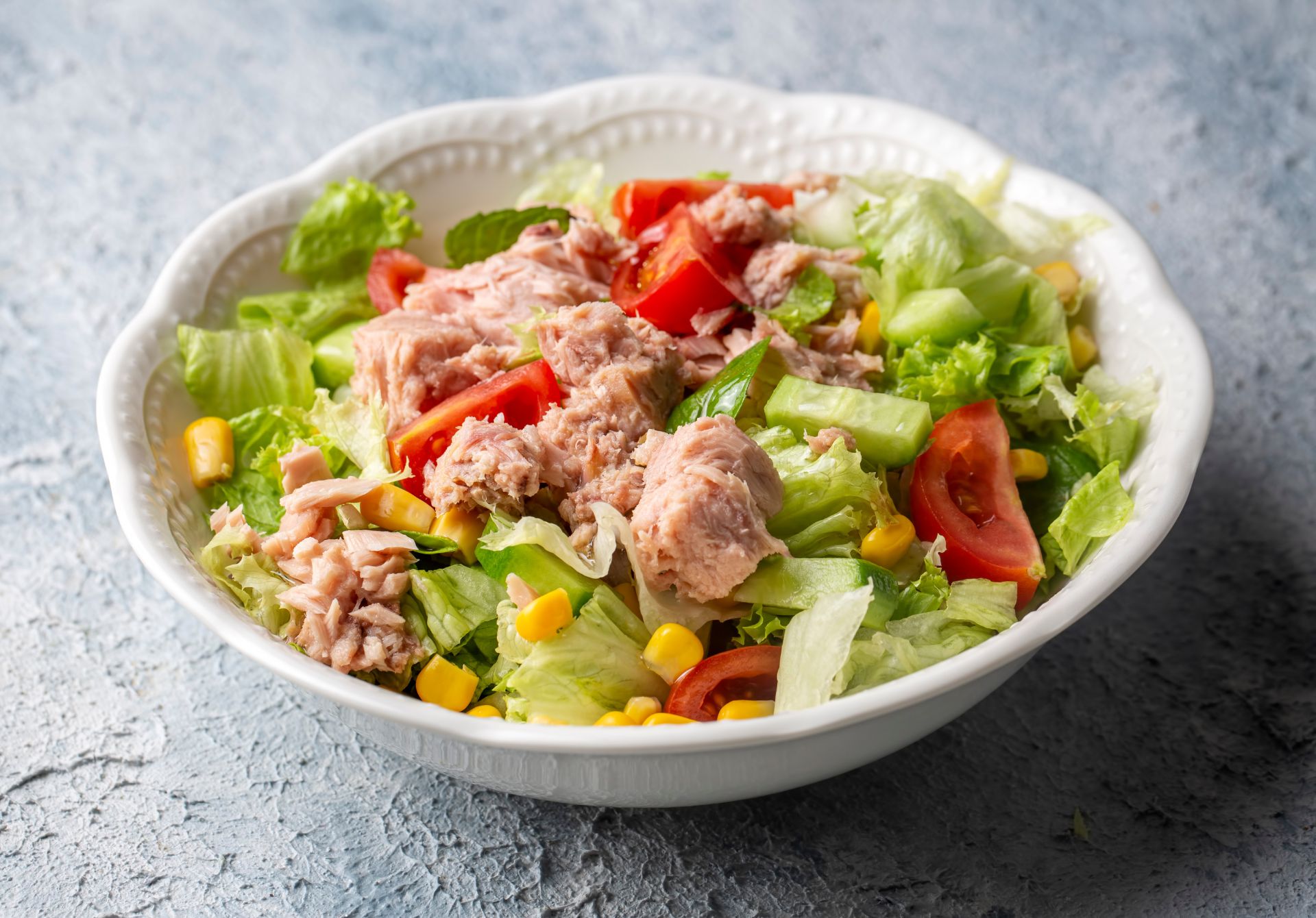

One of the easiest choices for a quick and tasty lunch is definitely canned tuna. I like canned tuna on whole grain crackers or whole grain bread with sliced vegetables and fruits on the side.
Enjoy your lunch and increase your iron intake at the same time. Perhaps the best thing about canned tuna is that it’s inexpensive, so everyone can add it to their everyday eating plan. You can add tuna to your pasta or salad. Stock up and boost your iron levels in no time.
5 Cereal
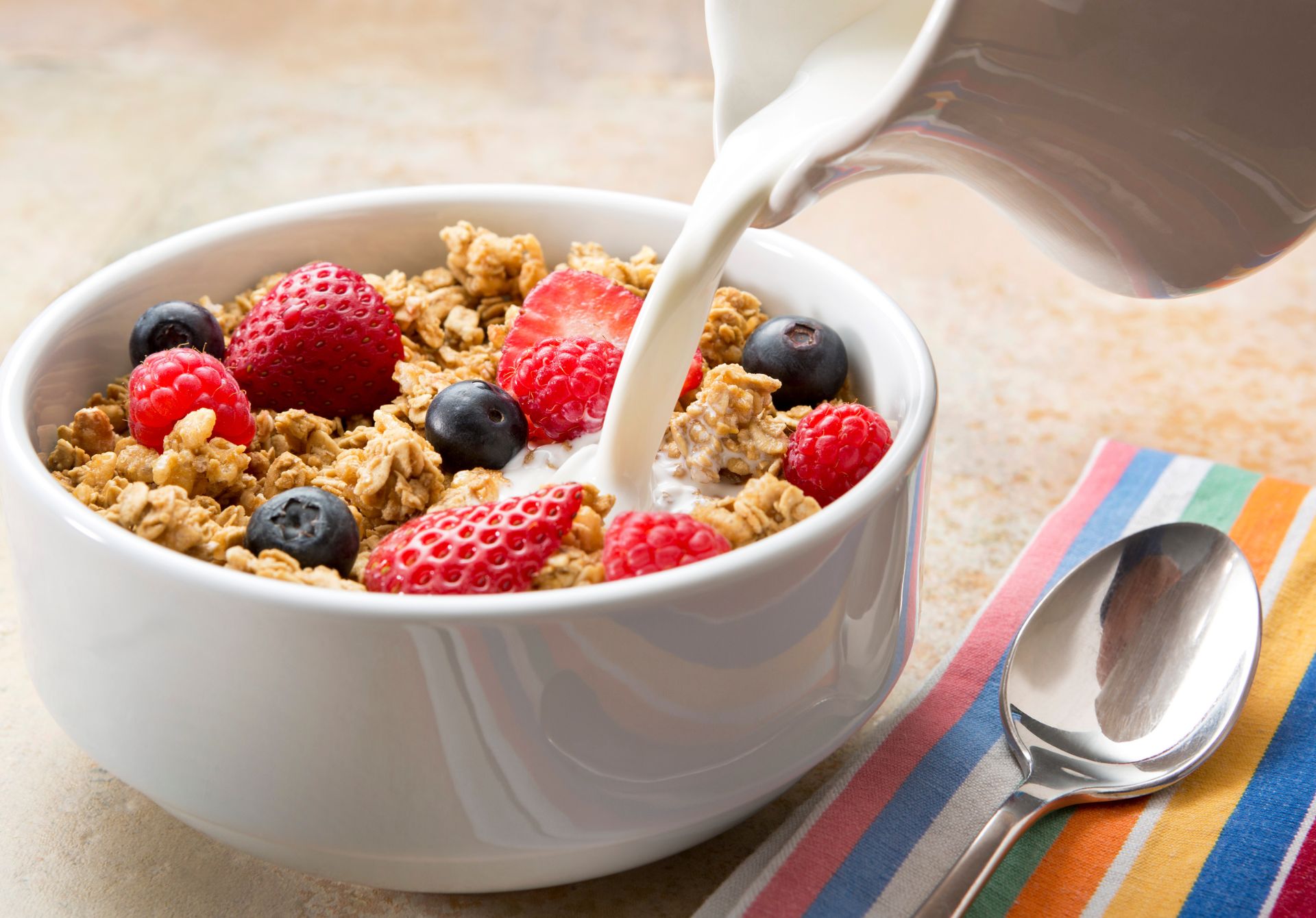

If you don’t like eating meat, consuming cereal is one of the best ways to increase your iron intake. In many cases, cereal contains your entire day’s recommended iron intake in just one serving. Although cereal makes a good breakfast, you can eat it for dinner too. I also like using cereal in my trail mix.
Read also – 10 Important Nutrients Every Woman Needs
6 Crab
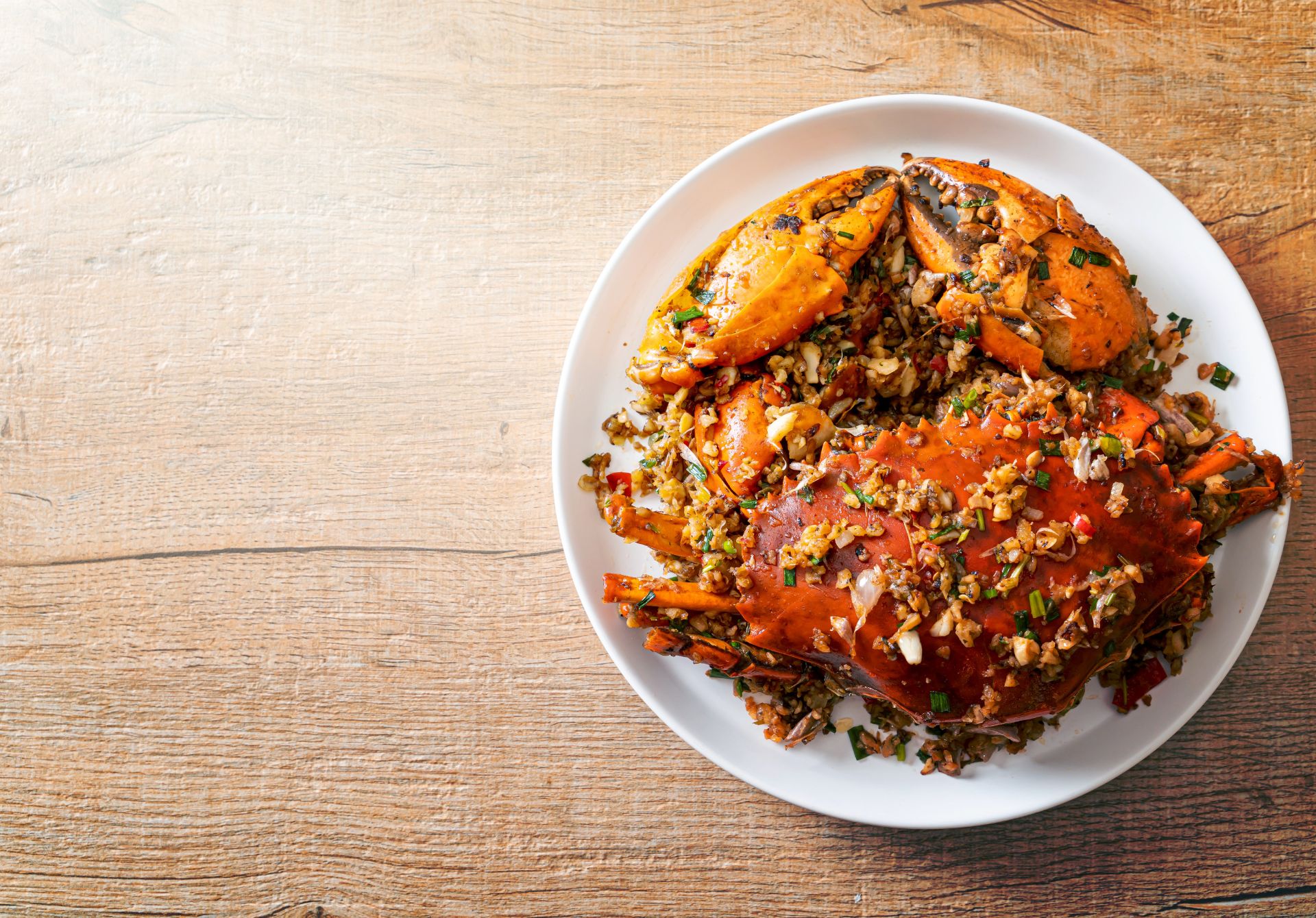

When I go out for seafood, I love having a huge plate of crab legs. I know that I do myself a favor by eating them. Crab is an excellent source of iron. Although a plate of crab legs will not meet your entire day’s recommended iron intake, they definitely contribute. Tasty and healthy, isn’t it?
7 Chicken
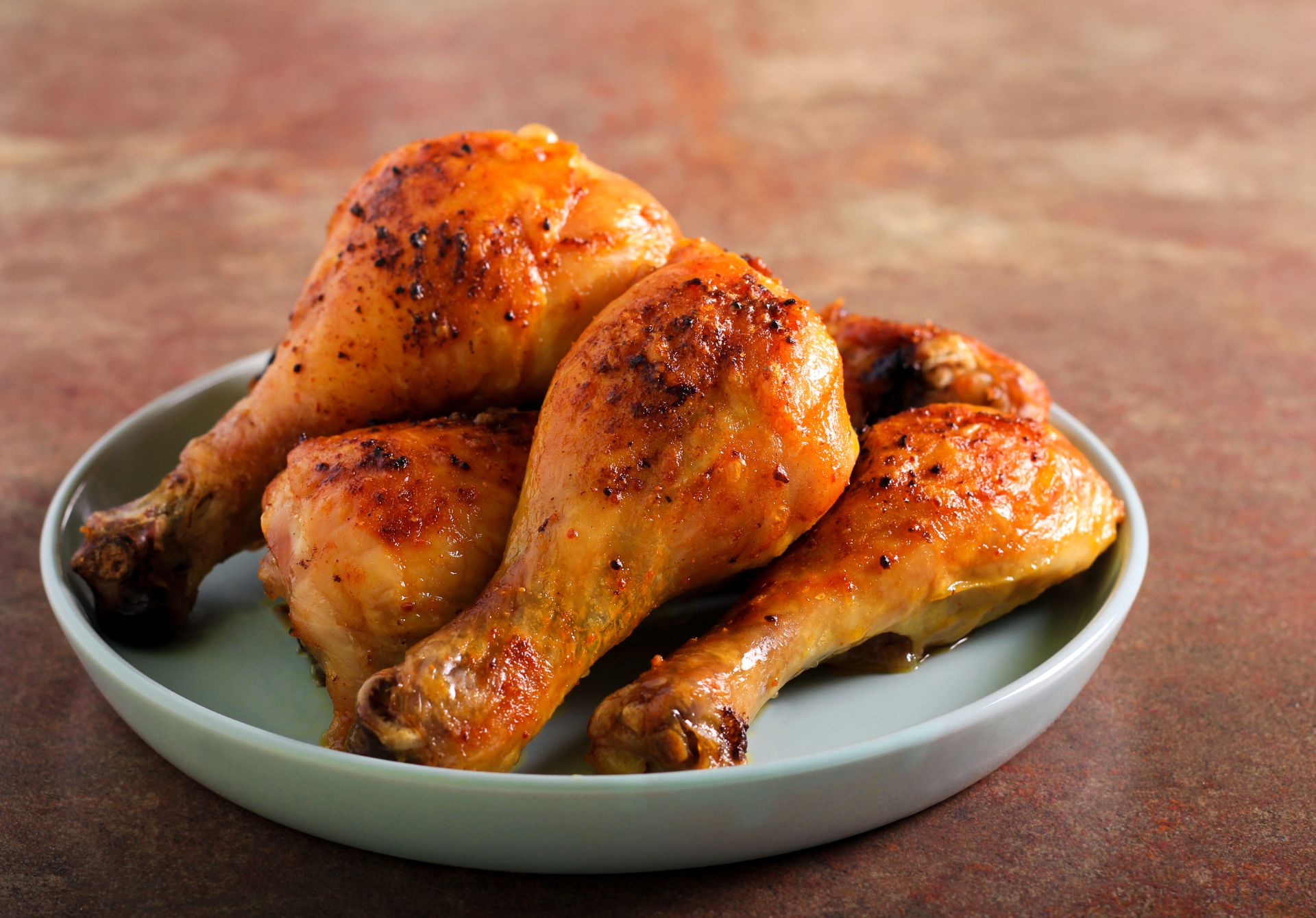

If you prefer chicken over beef, then try to add it to your diet to increase your iron intake. Chicken is not as rich in iron as beef, but it can still help you to boost your iron levels.
Dark meat, like the thigh, contains a bit more iron than white meat, like the chicken’s breast. But if you keep your calorie and fat intake low, choose the whiter meat. You can use chicken in your soups, salads, tacos, wraps, and burritos, or eat it grilled.
8 Nuts and Seeds
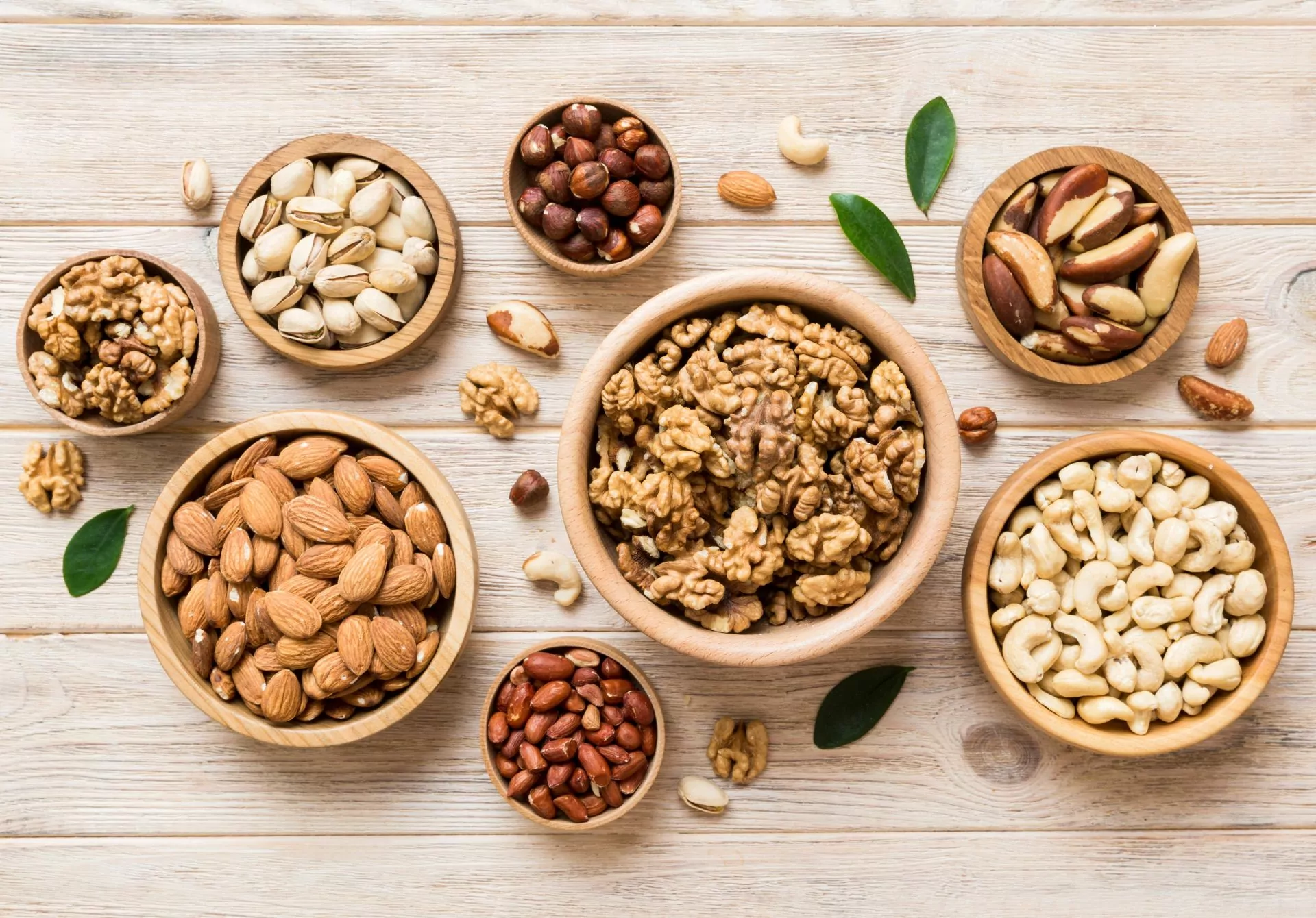

If you are a vegetarian and you are trying to increase your iron intake, nuts and seeds are a must. They are rich in natural fats and are high in iron. Pine nuts and sesame seeds have the highest levels of iron. A handful of seeds or nuts, especially on a busy day, is a wonderful way to fuel your body and get your iron.
9 Red Meat
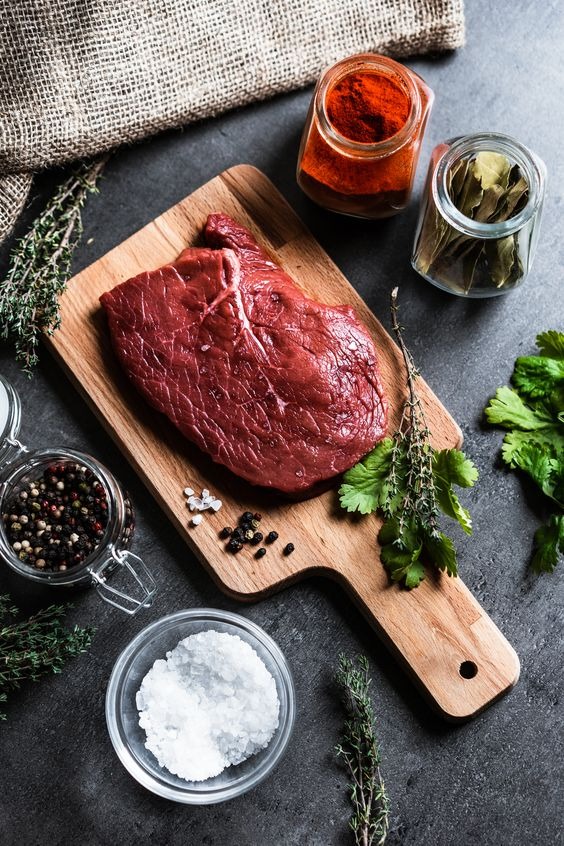

Red meat contains heme iron, which is much easier for our bodies to absorb than plant-based non-heme iron. For this reason, eating red meat is often recommended as an excellent way to increase your body’s iron stores if you have iron deficiency anemia.
10. Seaweed
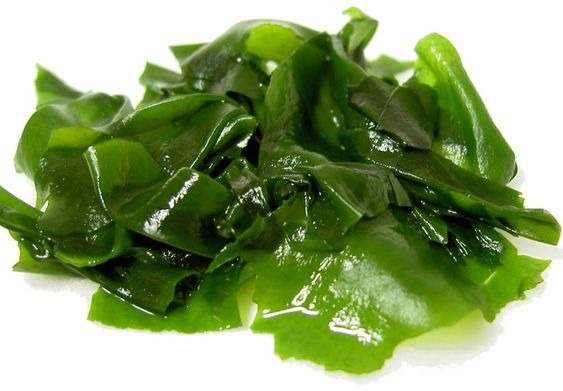

Seaweed is also one of the foods to eat to increase iron intake. The iron contained in cabbage prevents anemia and activates the process of hematopoiesis. For preventive and therapeutic purposes, eating 2 teaspoons a day is enough. The most popular and uncomplicated dishes are salads with the addition of funchose, boiled eggs, corn, and peas.
11 Pomegranate
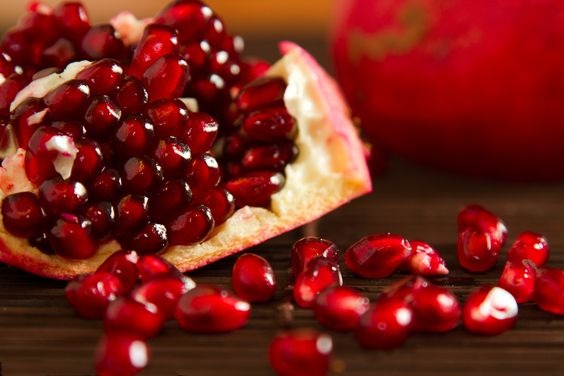

Pomegranate is a unique fruit with many beneficial vitamins. Drink pomegranate juice regularly but in small quantities. It is advisable not to buy in the store, but to make it yourself at home and use it fresh. Therefore, doctors often prescribe pomegranate juice for anemia, as it contains easily digestible iron.
However, pomegranates should not be carried away with serious problems with the stomach. In this case, it is better to drink concentrated juice diluted with water.
12 Wheat Bran
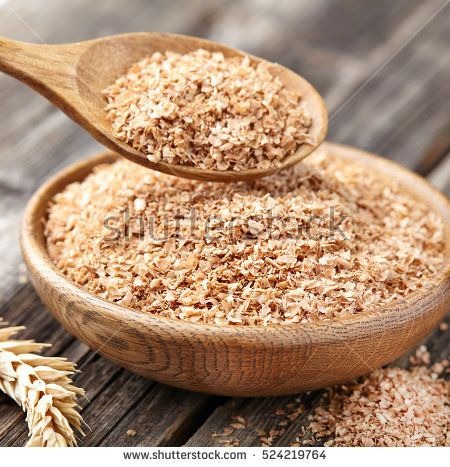

Wheat bran is another food to eat to increase your iron intake. It contains at least 15 milligrams of iron per 100 grams of the product and B vitamins, which are involved in the synthesis of hemoglobin. Great for breakfast, but don’t get carried away. To avoid problems with the digestive system, it is recommended to eat no more than 30 grams of bran per day.
13 Foods Rich in Vitamin C
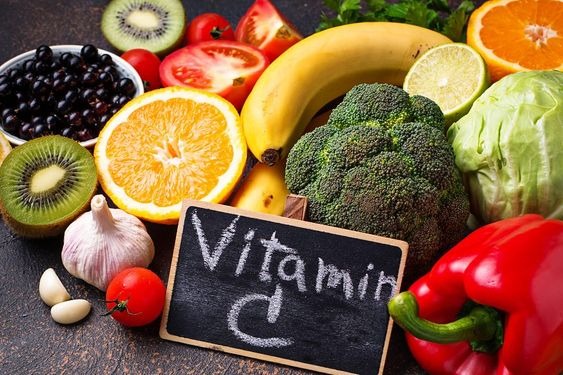

The diet should contain vegetables, herbs, and fruits, as they are the only sources of vitamin C, which also helps to increase your iron intake. It captures non-heme iron and stores it in a form that the body can absorb more easily.
All citrus fruits, melon, pineapple, and sour apples will be most useful. Therefore, drinking citrus juice or other vitamin C-rich foods at the same time as iron-rich foods can increase iron absorption by the body.
14 Beet
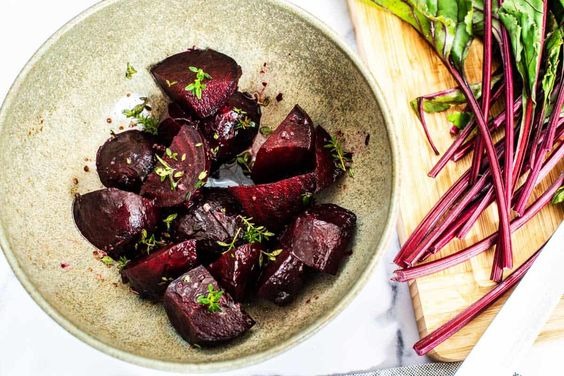

Beet or natural beet juice is also one of the effective foods to eat to increase your iron intake. But it would be best if you consumed it regularly. In order for the drink to be better absorbed after preparation, it is recommended to hold it for half an hour in the refrigerator. In addition, you can add apple or carrot juice to taste.
15 Cocoa
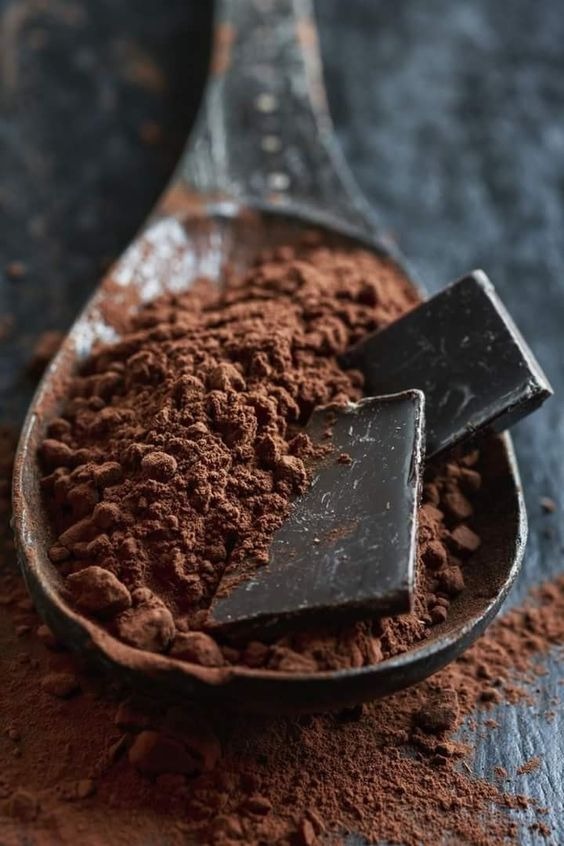

Cocoa is also high in iron. 100 g of cocoa powder contains 13.9 mg of the mineral. This is 77% of the body’s daily needs. It is unlikely that you will be able to consume a hundred-gram portion of cocoa at once in order to fill the body with a valuable trace element.
But eating a piece of dark chocolate is another matter. 100 g of chocolate contains 3.4 mg of iron. But do not overdo consuming treats because everything is good in moderation.
Shrimp, dried fruit, grits, molasses, beans, tofu, lentils, bread, and pork are other excellent sources of iron. It’s important to watch your iron intake in order to avoid numerous health issues. What’s your favorite way to increase your iron intake?