
15 Excellent Sources of Vitamin D (Apart from Sunlight)
)
We used to think that we get our vitamin D from sun exposure only. However, there are many other great sources of vitamin D besides sunlight and meat. Like other vitamins and minerals, vitamin D plays a crucial role in many important body functions. We need to meet our sources of vitamin D to avoid serious health issues.
Not getting enough vitamin D can lead to weak bones, sclerosis, muscle weakness, depression, and even cancer. Besides getting 10 to 15 minutes of sun exposure each day, consider incorporating the following foods into your meal plan to boost your Vitamin D intake.
1 Tofu
)
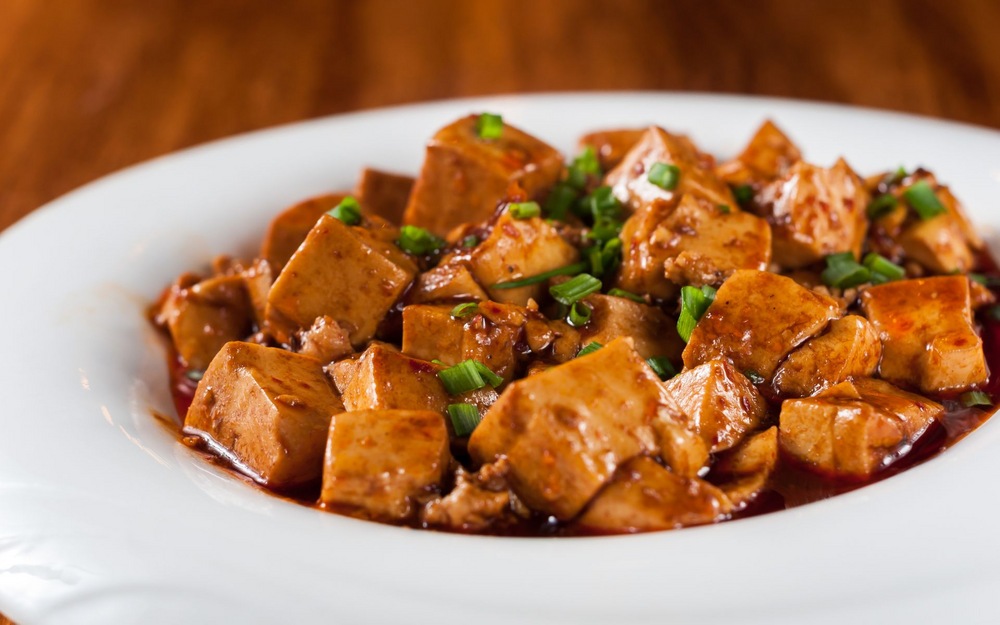
Whether it is Lite Firm Tofu, Lite Silken Tofu, Extra Firm Tofu, or Sprouted Tofu, it is one of the best sources of vitamin D that is vegan-friendly and healthy, depending on how you cook it, of course. A cup of tofu contains 39% of your daily recommended value of Vitamin D.
It is also rich in protein and calcium. In addition, the low calories make tofu the product of choice for people trying to reduce body weight. Tofu is also low in sodium and cholesterol. Tempeh is another source of vitamin D if you like it. Just look for a non-GMO version; otherwise, you will not reap any benefits.
2 Dairy products
)
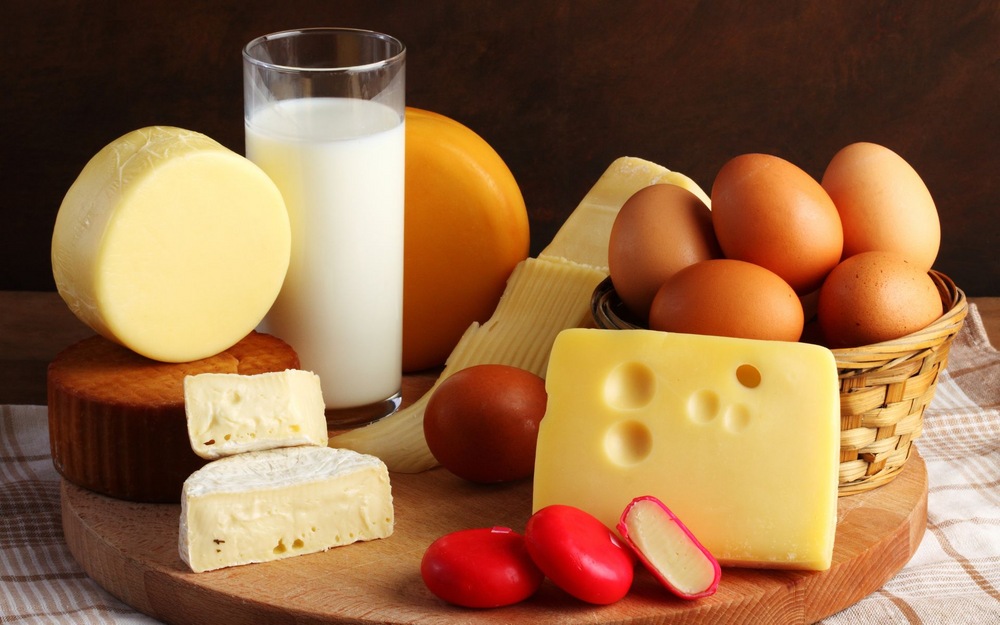
Dairy products like cow’s or goat’s milk is another excellent source of vitamin D. Cow’s milk provides your body with about 50% of your Vitamin D daily requirements, while goat’s milk provides only 31%.
Anyway, any organic milk is healthy, as it is fortified with bone-building calcium. In addition to milk, consider consuming cheese, cottage cheese, butter, yogurt, buttermilk, and kefir. If you are on a diet, look for low-fat versions.
3 Mushrooms
)
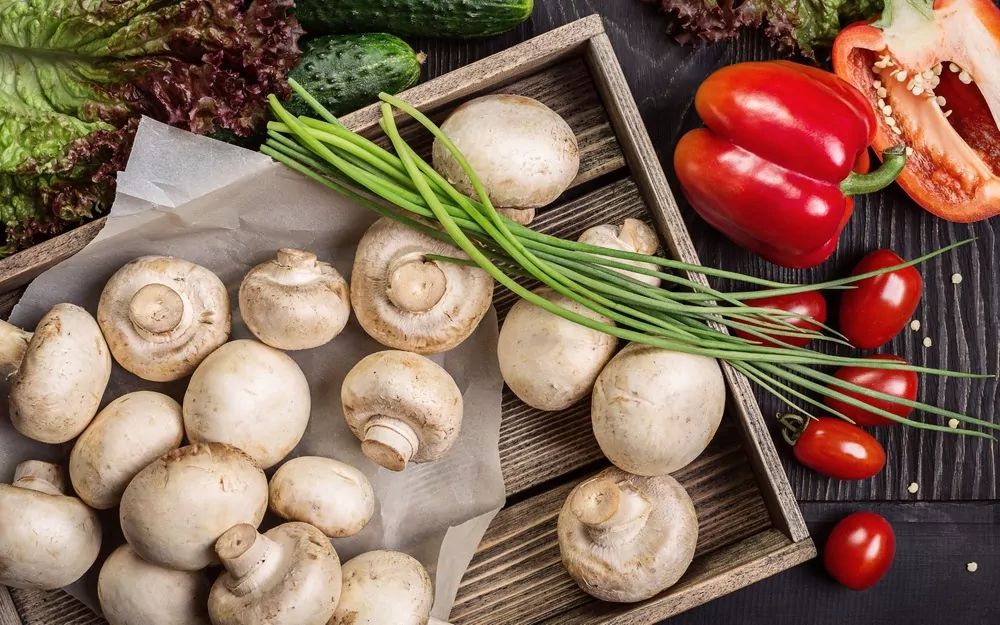
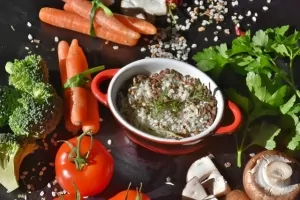
Since sunlight feeds mushroom growth, it is no wonder that mushrooms are one of the best vitamin D-rich foods. They are also among the plant foods with high vitamin content without additional artificial fortification.
Some varieties of mushrooms contain up to 2,300 IU in a hundred-gram serving, which is almost several times the daily allowance. For example, Shiitake mushrooms are a popular source of vitamin D – even if it is a dry version. Maitake and morel mushrooms are high in vitamin D too.
However, not all mushrooms are super high in vitamin D, as well as not all mushrooms must be fresh. Those mushrooms grown under standard commercial conditions – in the dark – cannot serve as sources of vitamin D.
4 Eggs
)
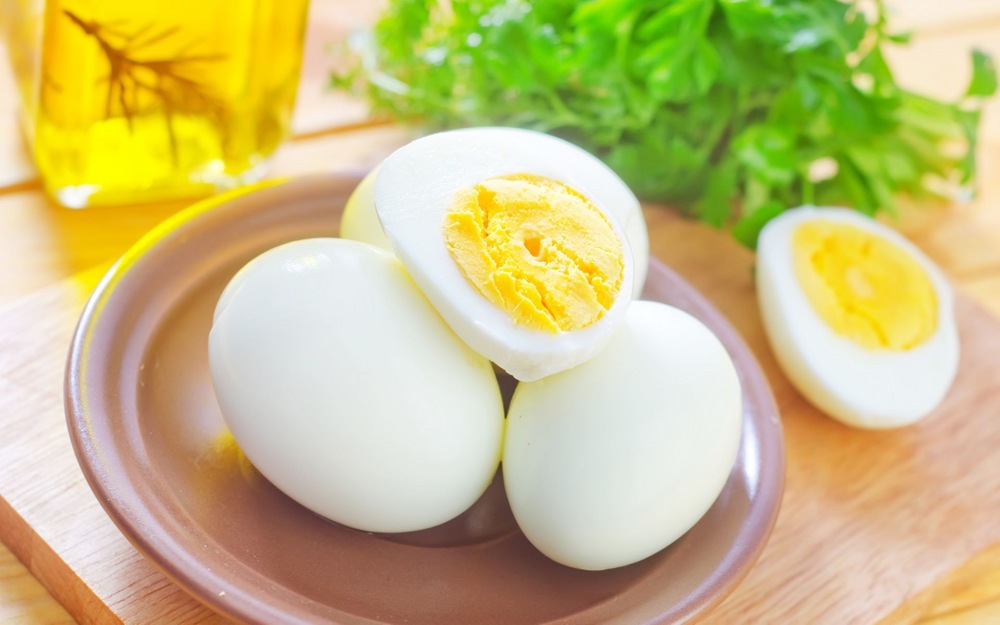
Personally, I consider eggs a superfood because they contain so many vitamins and minerals that not eating them is a huge mistake. They contain tons of protein, choline, vitamin A, vitamin B12, vitamin B6, calcium, and vitamin D.
The amount of vitamin D depends mainly on how long the hen has been out in the sun and the quality of the grain it has been fed. For example, farm-raised birds produce eggs that have three to four times the nutrients. A typical egg yolk laid by an indoors-raised chicken contains only 18-39 IU of vitamin D. Chickens raised in free-range sunshine, on the other hand, yield 3 to 4 times as much. The leaders in vitamin D content are egg yolks from laying hens that consumed vitamin-enriched feed: they contain up to 6000 IU per yolk.
Read also – 10 Deliciously Healthy High-Protein Foods
5 Non Dairy Milks
)
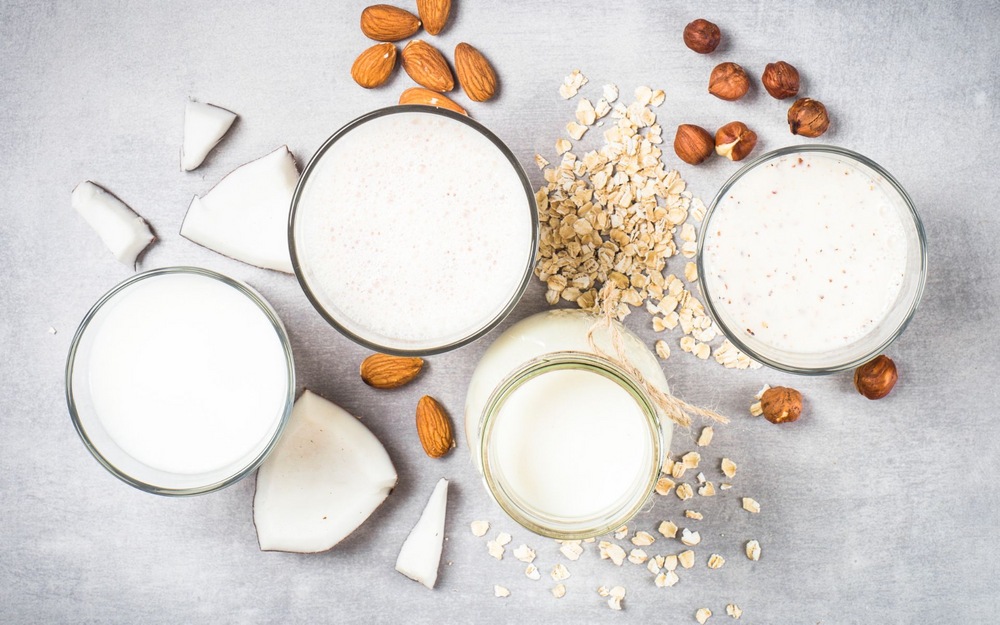
If you are anything like me and can’t drink dairy milk, non-dairy versions are perfect alternatives. Almond and soy milk are high in vitamin D. For example, one cup of soy milk can contain 107 to 117 IU, providing your body with around 25% of the daily recommended value.
They are also excellent sources of calcium. Non-dairy yogurt and cheese are amazing additions to your daily diet.
6 Caviar

)
Eating caviar is also an excellent way to get vitamin D. In addition, it is fortified with vitamin B12, vitamin B6, vitamin A, calcium, iron, and protein.
I am not a big caviar fan, but if you are, why not make it a part of your weekly meal plan? There are many ways to consume caviar, but make sure you do not cook and bake it. Avoid buying fake caviar.
7 Canned Tuna
)
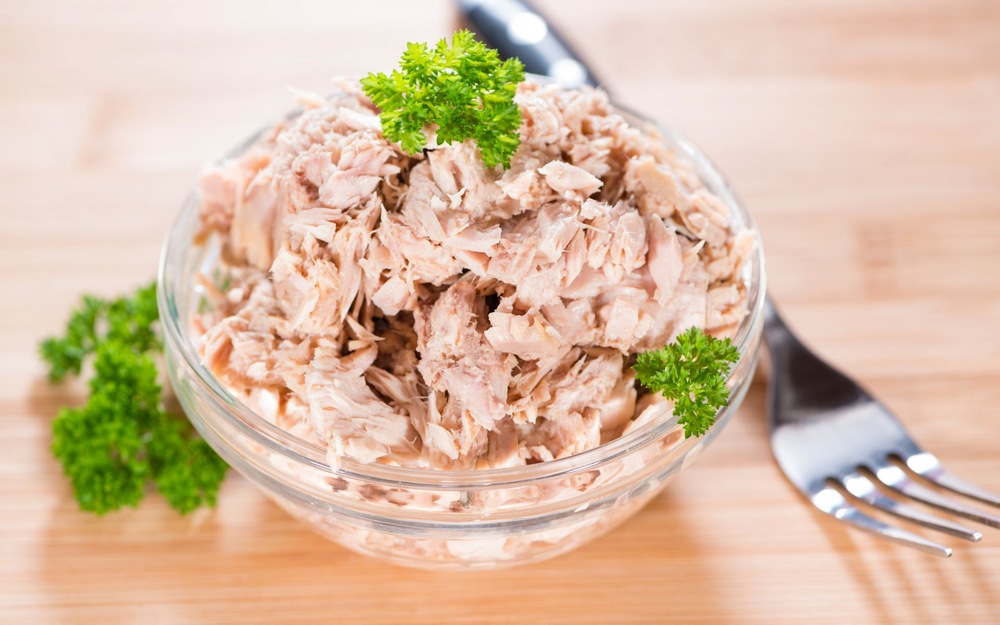
Tuna is another product high in vitamin D. Its advantages are availability and low cost. 100 g of canned tuna contains up to 236 IU of vitamin D. Tuna is also a source of vitamin K and niacin.
However, doctors do not recommend eating tuna often. This is because the product may contain traces of mercury and other toxins that, when accumulated in the body, cause health problems. Therefore, you should not eat more than 100-150 g per week.
8 Fortified Breakfast Cereals
)
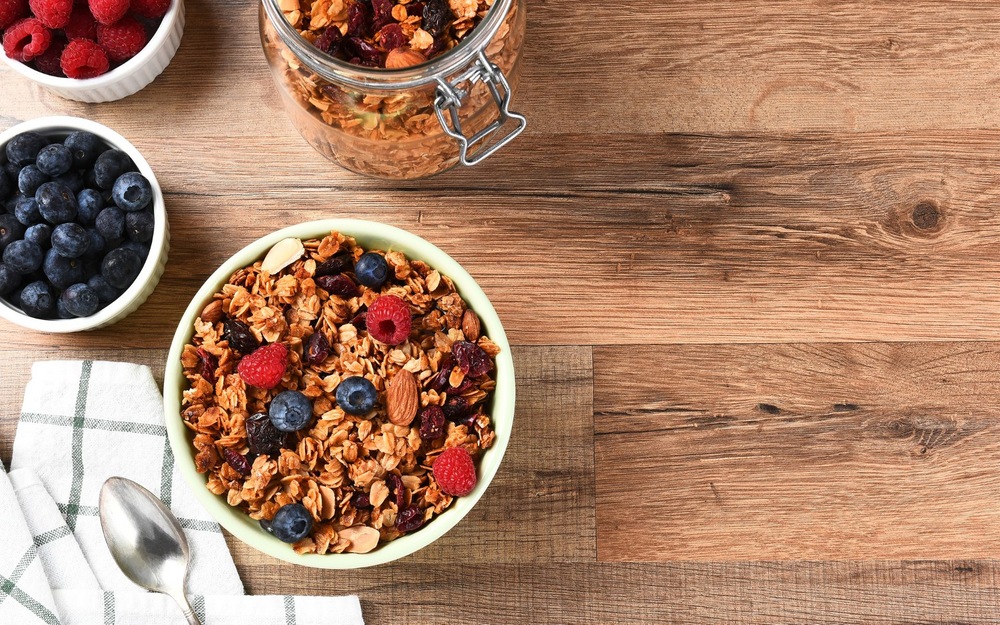
Can’t imagine your morning without cereals? Look for breakfast cereals fortified with vitamin D to boost your vitamin D intake. Surely, it is not the best source of vitamins and eating cereals daily can cause more harm than good, but consuming them once in a while is actually a smart food choice. Do not forget to read the labels before buying.
9 Fortified Orange Juice
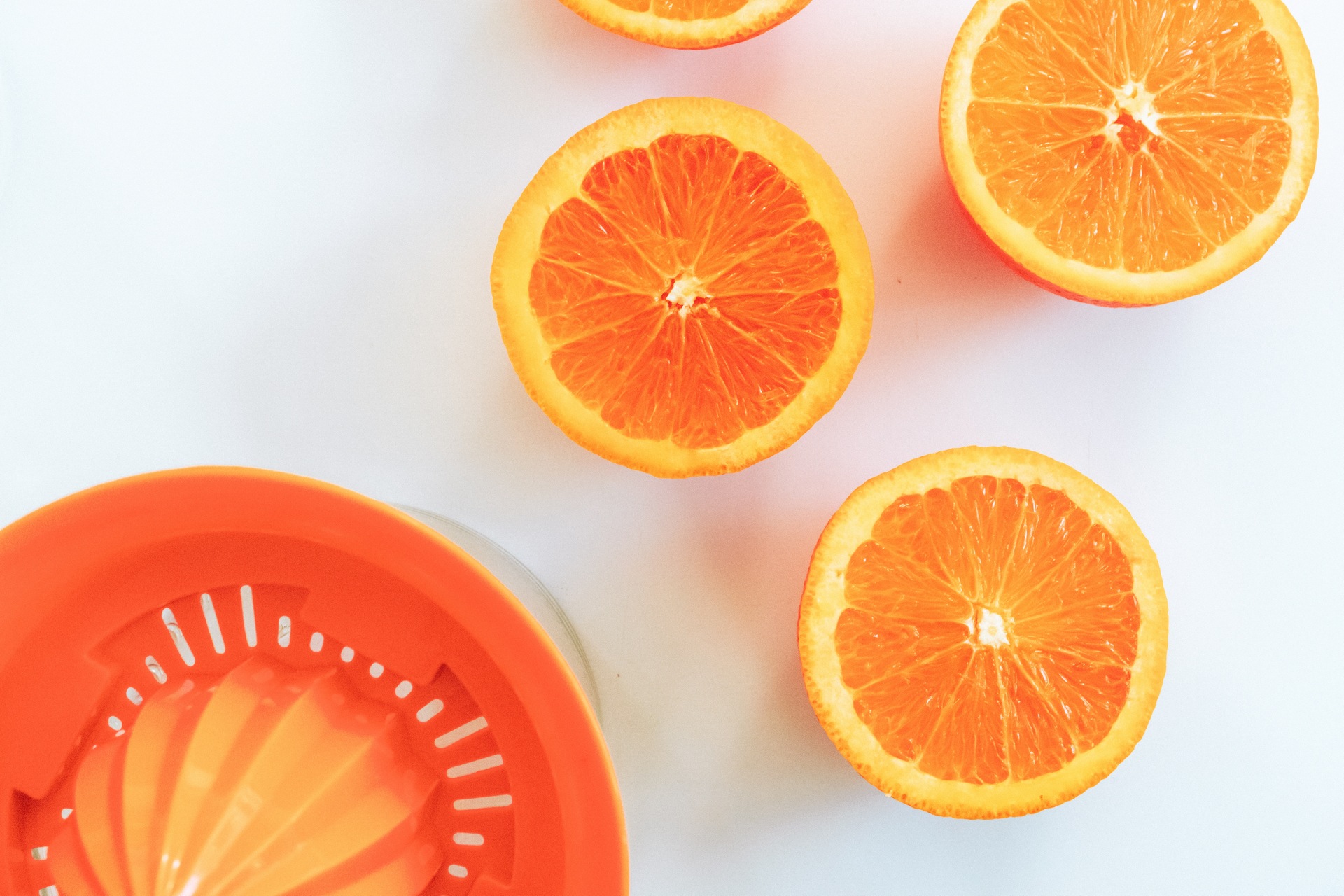
Although fresh orange juice does not contain vitamin D, one cup of fortified orange juice contains 45 IU of vitamin D (the recommended daily dose is around 400 IU). Consuming moderation is a good way to avoid vitamin D deficiency, which can lead to headaches, fatigue, muscle pain, poor concentration, and overall weakness.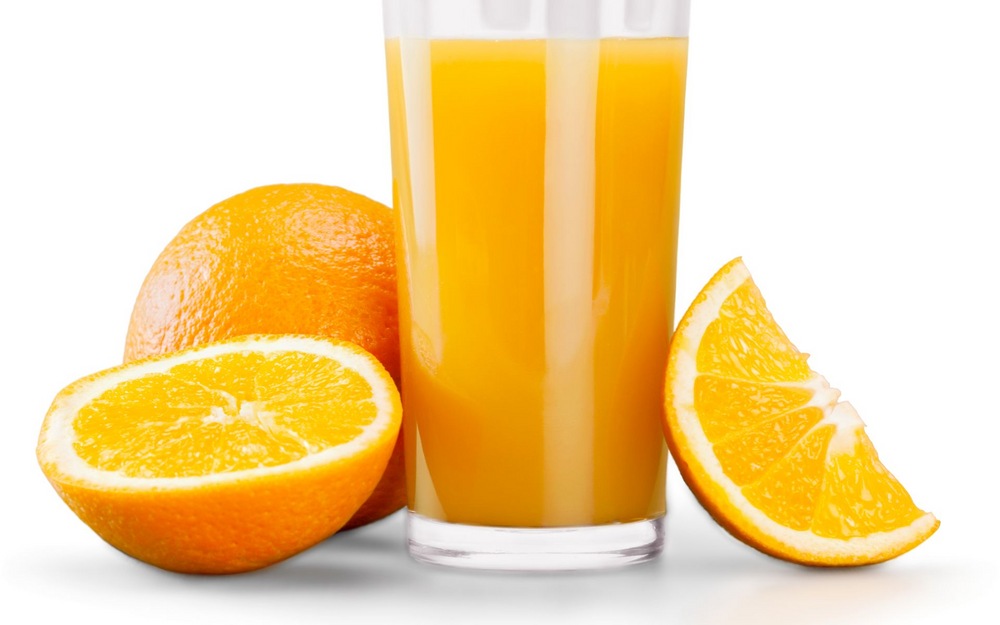
)
Read also – 9 Foods That Fight Aging and Sunburn
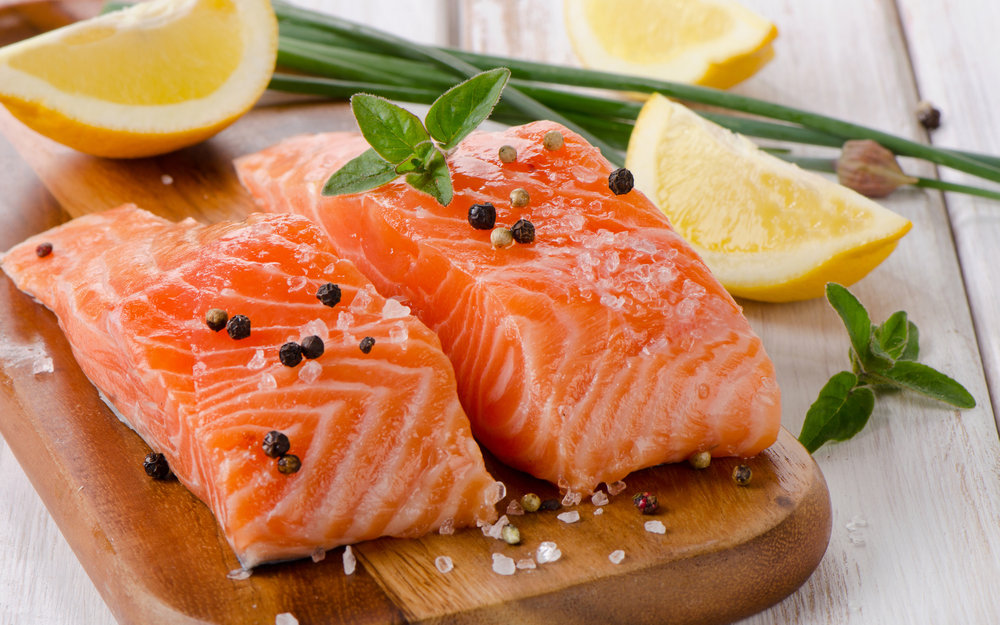
10 Salmon
)
Salmon is also considered one of the excellent sources of vitamin D. According to the U.S. Department of Agriculture, a serving of fatty fish weighing about 100 grams contains 526 IU of vitamin D. This provides 66% of the body’s daily requirement.
However, much depends on where the salmon were raised. For example, wild-caught fish contain up to 988 IU of vitamin D per serving, and some studies claim that this figure reaches 1,300 IU. Whereas from salmon raised in captivity, you can get 25% fewer nutrients, but on average, one serving provides 250 IU of vitamin D, or 32% of the daily requirement.
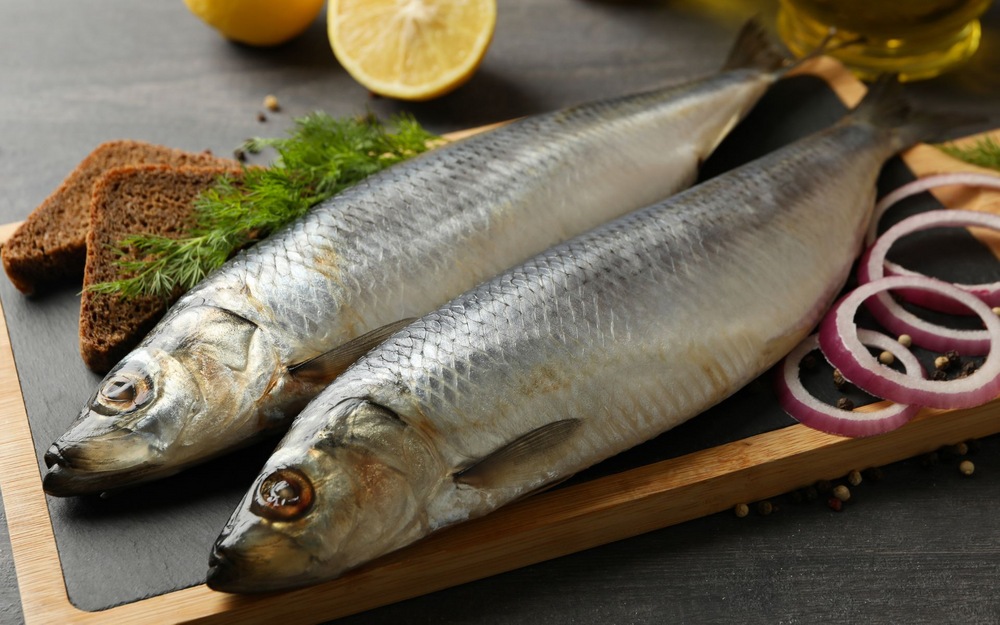
11 Herring
)
Atlantic herring is another champion product for its high vitamin D content. It is better to choose freshly caught. One fresh, natural Atlantic herring is a source of 216 IU of vitamin D per serving, 27% of the recommended daily intake.
If you prefer pickled fish, it will provide about 14% of the required vitamin D. It is about one serving and has 112 IU. However, keep in mind that this cooking method accumulates a lot of salt in fish, an excess of which can negatively impact health.
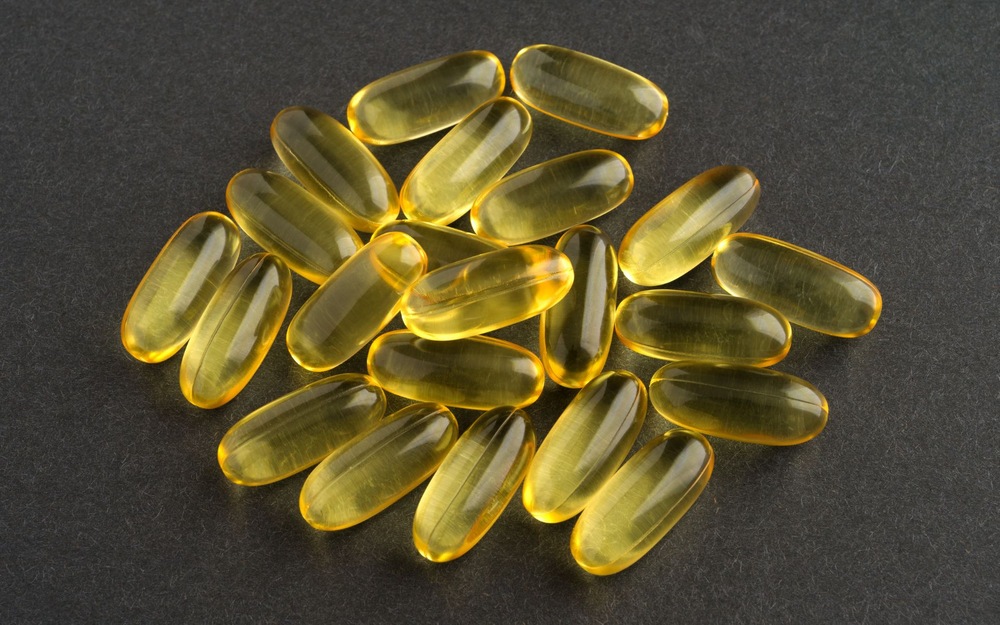
12 Cod Liver Oil
)
Cod liver oil is also one of the excellent sources of vitamin D. Cod Liver Oil contains the highest amount of vitamins D2 and D3. 100 g of the product contains 250 mcg or 2500% of the daily value, and a teaspoon of cod liver oil has 56% of it. In addition, this product is one of the best sources of retinol, a growth vitamin for children, and omega-3 fatty acids, an essential nutrient for heart, vascular, and brain health.
Cod liver oil can be bought in various forms, as well as with multiple flavors and aromas. However, due to the high toxicity of vitamin A, it is not recommended to take fish oil in large quantities.
13 Sardines and Other Species of Oily Fish
)
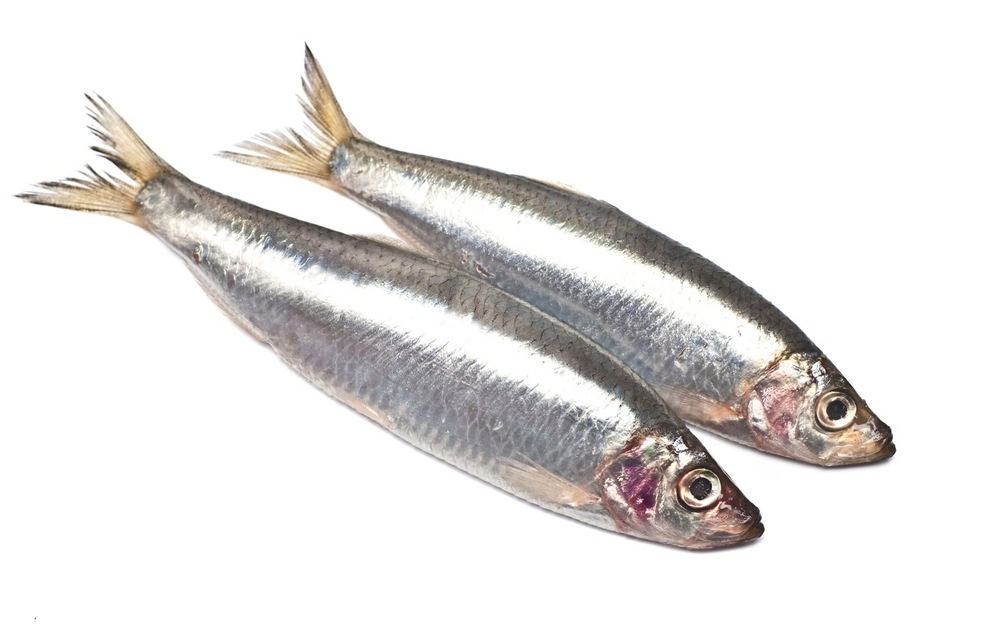
Sardines are a good source of vitamin D. 100 gram serving contains 177 IU of the nutrient, which is 22% of your daily intake.
Other types of oily fish are also worth including in your diet if you spend a lot of time indoors. For example, a serving of halibut or mackerel will provide about 360-390 IU of vitamin D.
14 Shrimp
)
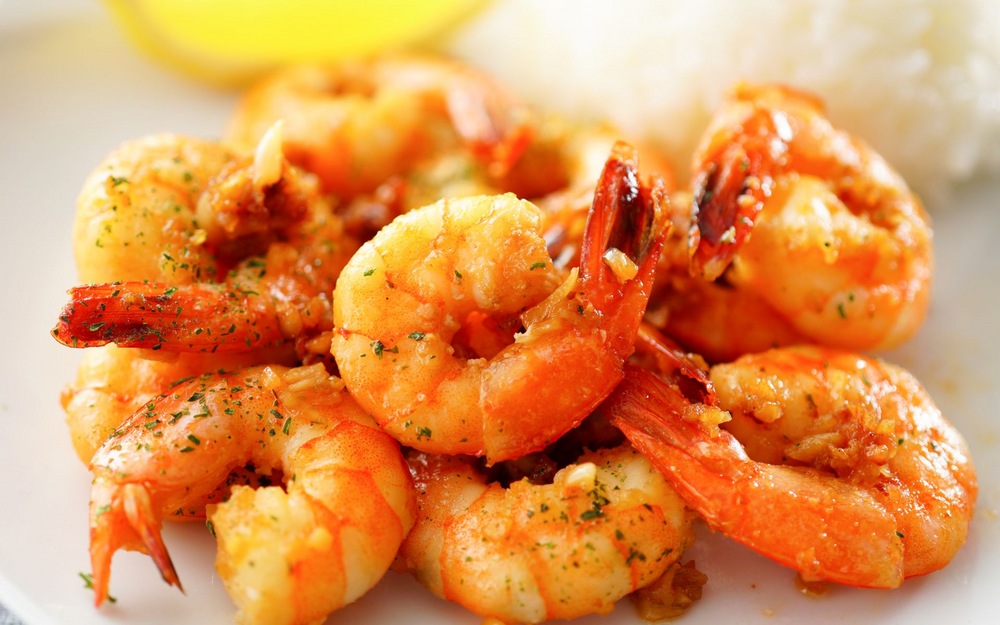
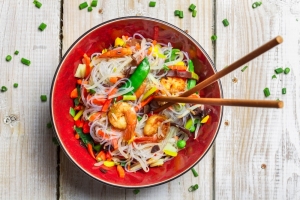
Shrimp do not contain much vitamin D. They have about 150 IU per 100 grams. But shrimp have one undeniable advantage: their meat, unlike filets of sea fish, includes a minimum amount of fat. It is better to choose those caught in the northern waters: in principle, they contain more valuable substances, vitamins, and trace elements.
15 Beef Liver
)
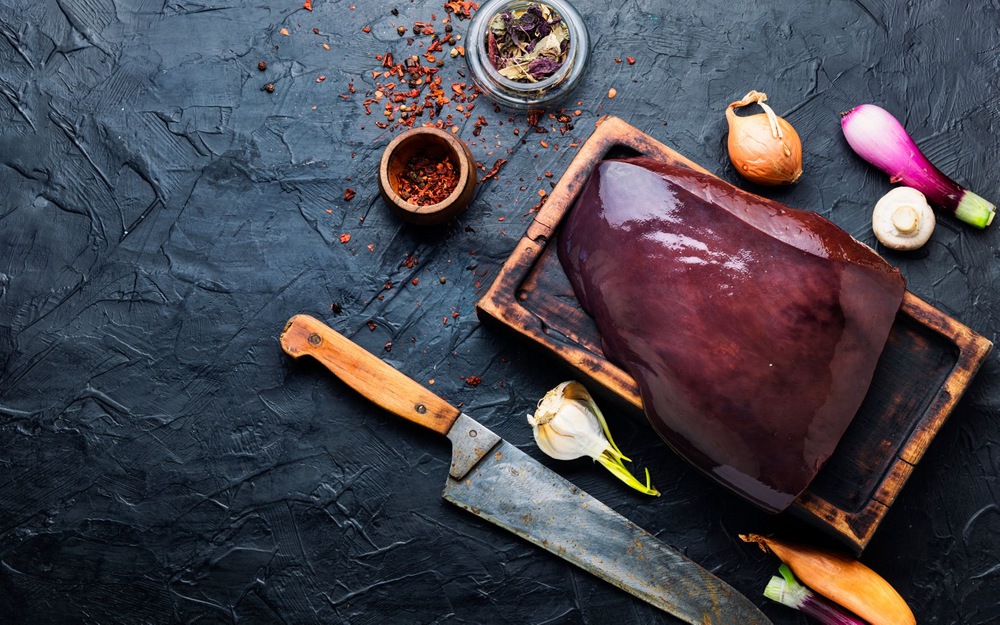
You can also eat beef liver to diversify your diet and increase your vitamin D levels. Although it does not contain much vitamin D – 0.053 mg in a serving (100 grams) – it does have vitamin A, iron, and protein. You have to be careful with beef liver and consume small amounts because of the cholesterol.
Vitamin D deficiency is a big problem these days since we tend to spend more time in the offices during the day. Whenever possible, try to walk outdoors to get your dose of vitamin D. Include these fifteen foods in your meal plan to make sure your vitamin D intake is not low. What are your favorite vitamin D-rich foods and the ways to consume them?





)