15 Most Unsuspected Healthy Foods That Cause Bloating


We all love to eat healthy, thinking we’re doing our bodies a favor. But what if I told you that some of the so-called “healthiest” foods could be the reason you’re feeling like a balloon by the end of the day? Bloating can be annoying, uncomfortable and even painful at times. And while we often blame junk food for digestive discomfort, many nutrient-packed foods can also be culprits. Here are 15 unsuspecting healthy foods that might be the reason your stomach is acting up.
1 Broccoli
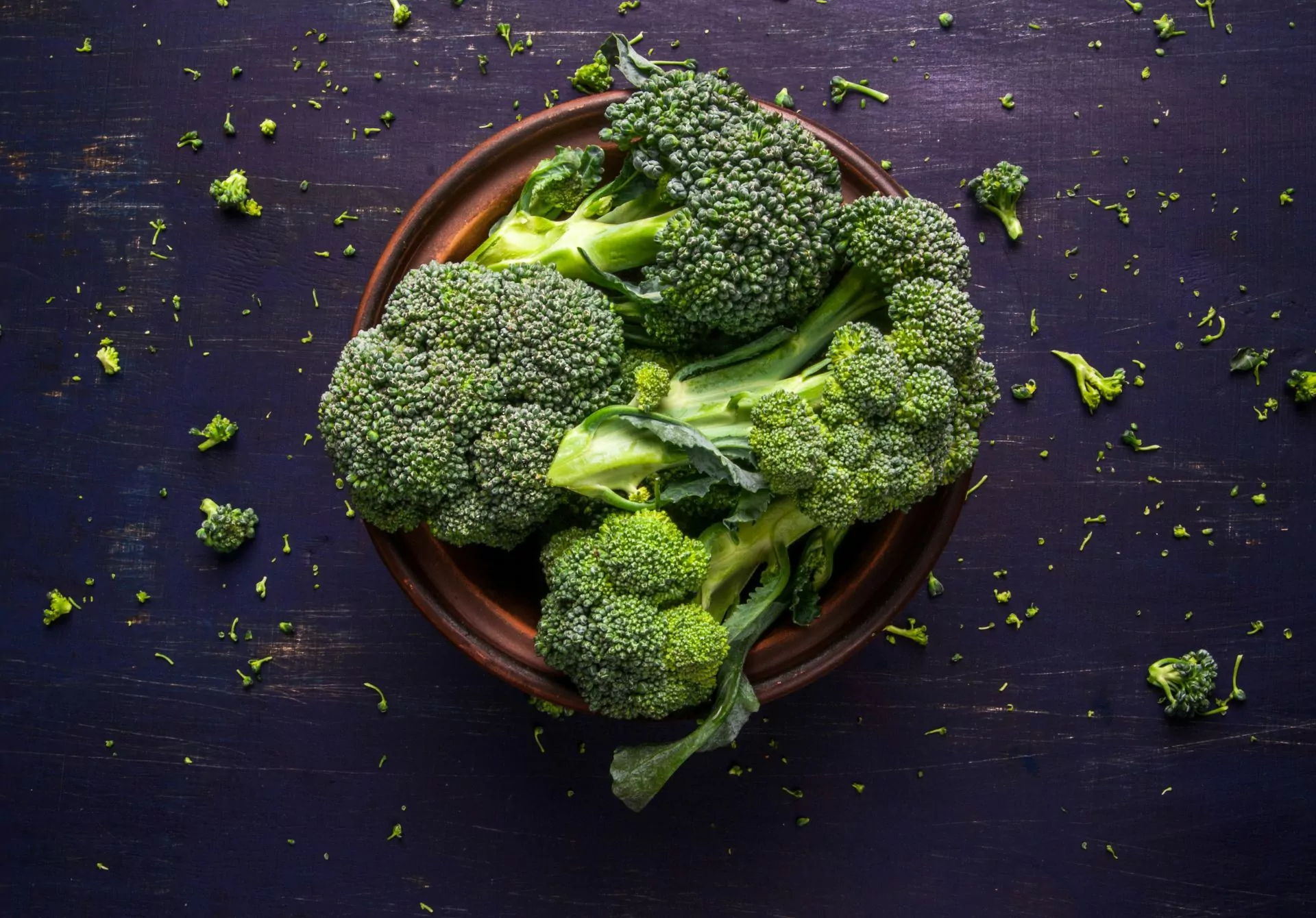

Broccoli is a powerhouse of nutrients, packed with fiber, vitamin C and antioxidants. But the problem? It belongs to the cruciferous vegetable family, which is notorious for causing bloating. These veggies contain raffinose, a sugar that ferments in the gut, creating gas.
If you love broccoli but hate the bloat, try cooking it instead of eating it raw—it helps break down some of the compounds that cause trouble.
2 Cauliflower
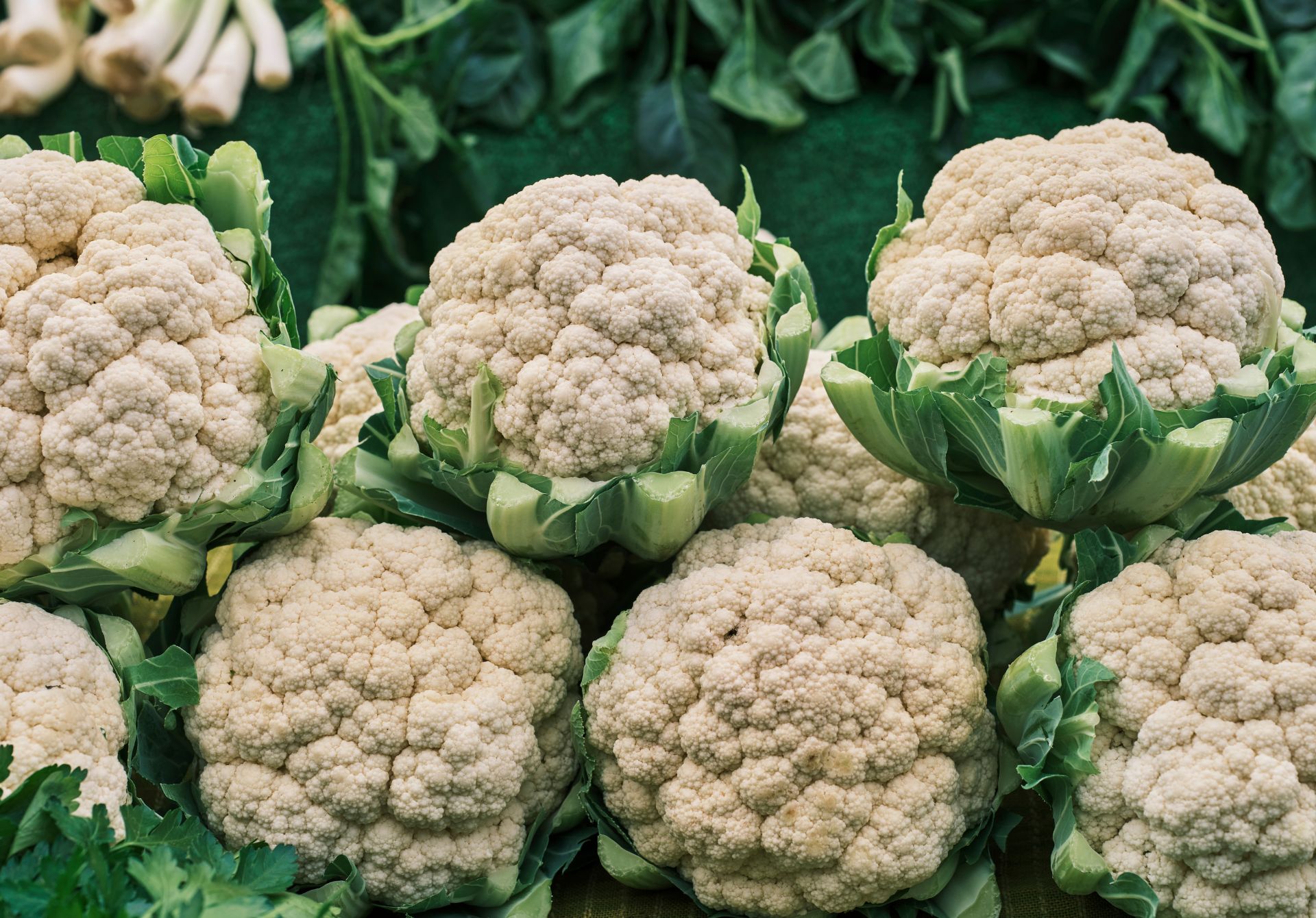

Cauliflower is another cruciferous veggie that can make your stomach feel like a balloon. It’s rich in fiber, which is great for digestion, but too much fiber at once can overwhelm your gut.
The natural sugars in cauliflower also ferment in your intestines, leading to gas buildup. If you’re sensitive, try eating smaller portions or switching to alternatives like zucchini or carrots.
Read also – 22 Foods to Eat to Relieve Constipation
3 Apples
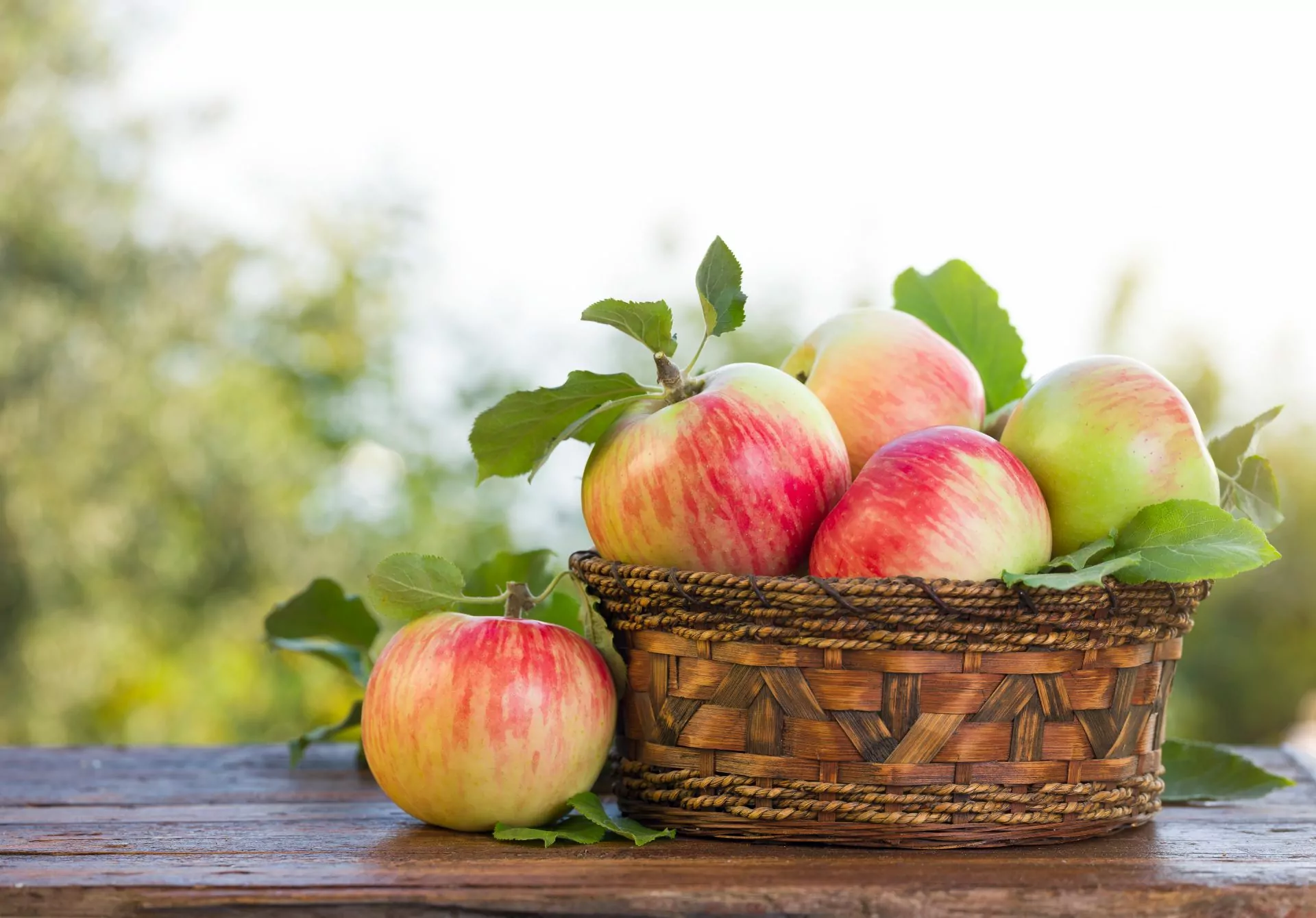

An apple a day might keep the doctor away, but it won’t necessarily keep the bloating at bay. Apples are loaded with fiber and fructose, a natural sugar that some people struggle to digest.
The combination can cause bloating, especially if you eat apples on an empty stomach. If this happens to you, try pairing your apple with peanut butter or yogurt to slow digestion.
4 Lentils
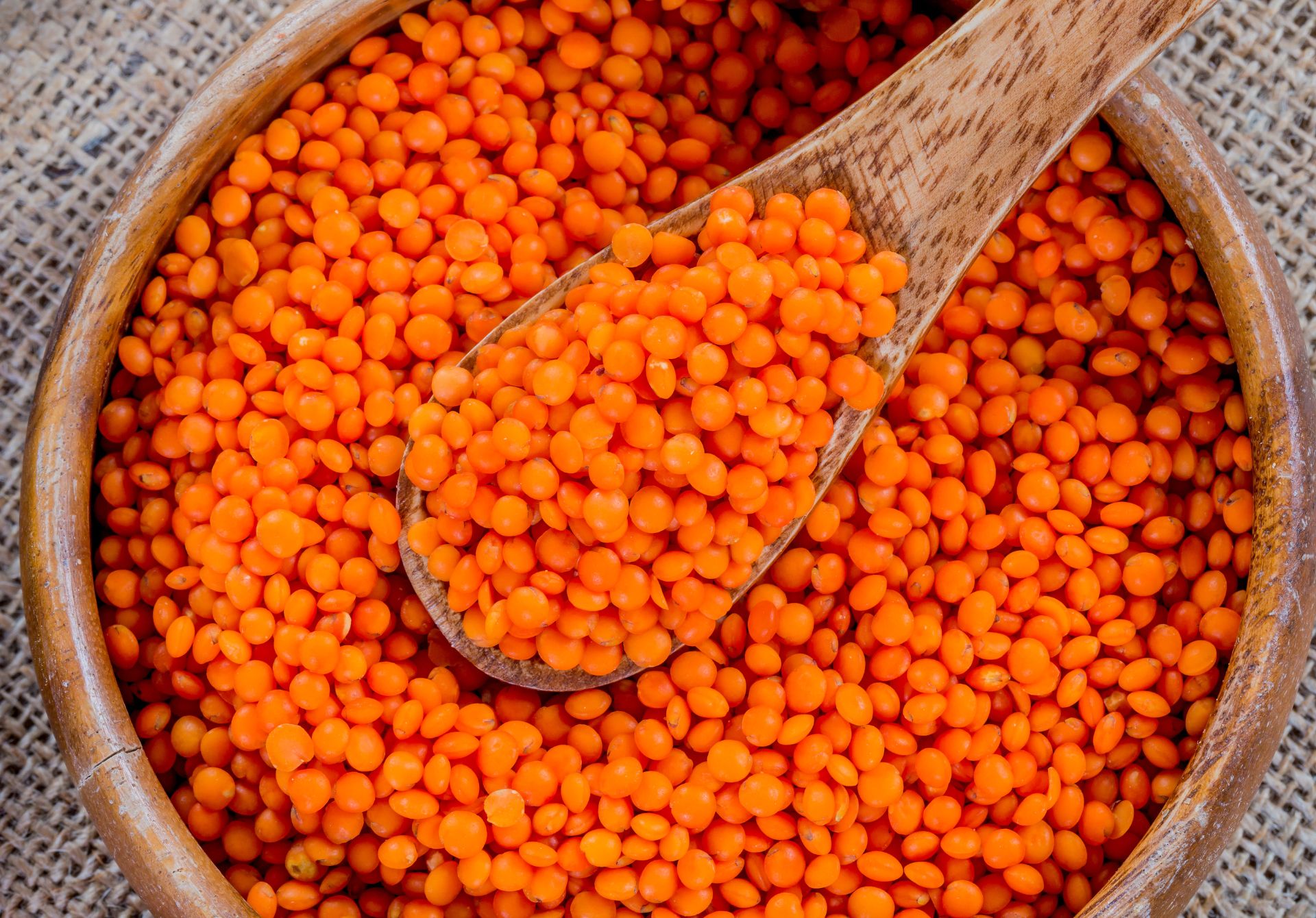

Lentils are packed with protein, fiber and essential nutrients, making them a great meat substitute. But their high fiber content and complex carbohydrates can be tough on the digestive system.
They contain oligosaccharides, a type of sugar that the body struggles to break down, leading to gas. Soaking or cooking lentils thoroughly can help reduce their bloating effect.
5 Beans
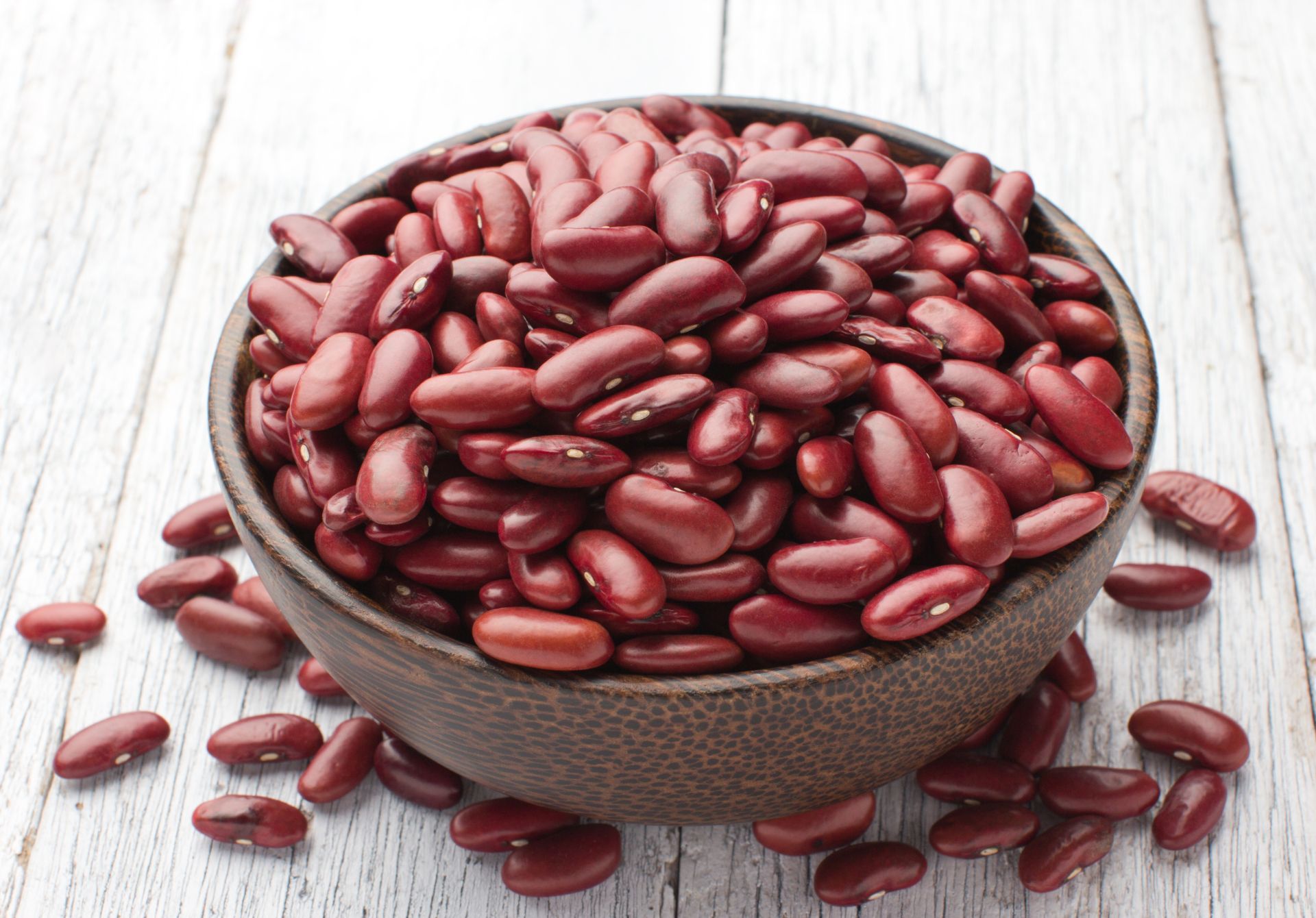

Beans, beans, the magical fruit—the more you eat, the more you… well, you know the rest! They contain a lot of fiber and resistant starches, which can be difficult to digest.
If you’re not used to eating a high-fiber diet, beans can leave you feeling gassy and bloated. Try soaking them overnight before cooking to help reduce some of the compounds that cause bloating.
Read also – 8 Herbal Teas for Good Sleep
6 Onions
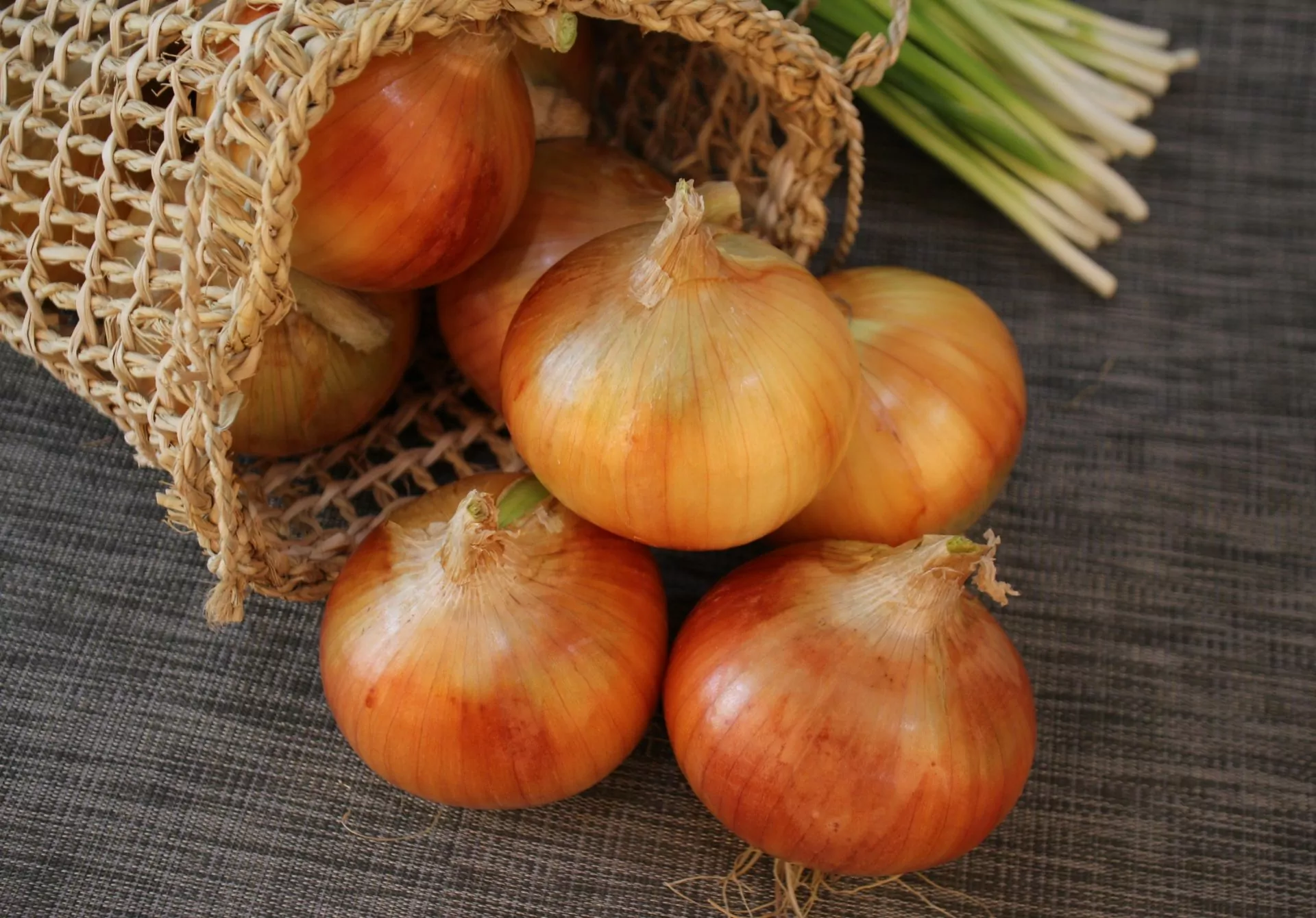

Onions add flavor to almost any dish, but they can also lead to bloating and gas. They contain fructans, a type of fiber that some people have trouble digesting.
Raw onions are particularly problematic, so if you notice bloating after eating them, try cooking them instead. If that still doesn’t help, consider using herbs or garlic powder for flavor.
7 Garlic
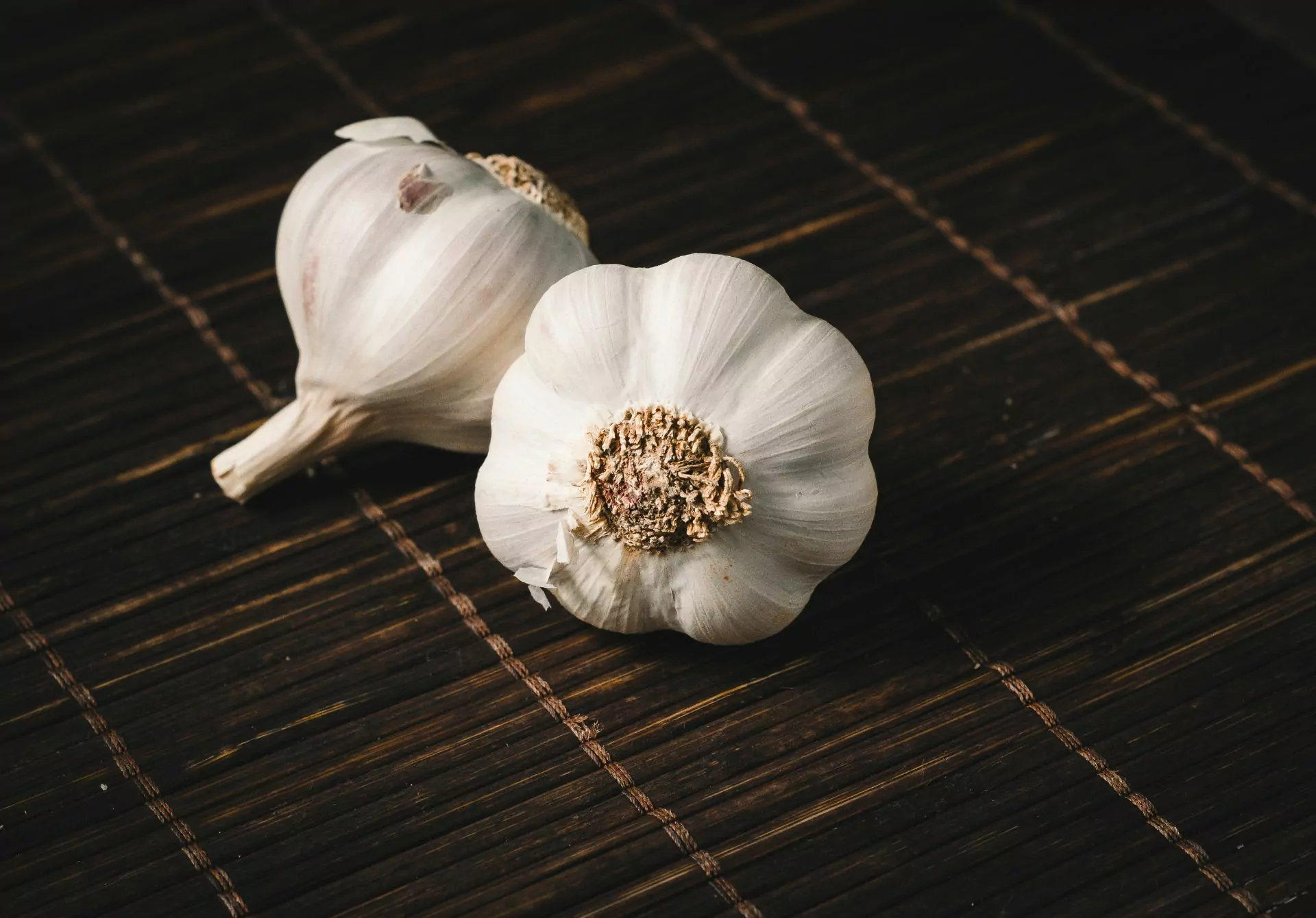

Garlic is another bloating culprit, thanks to its high fructan content. It’s great for your immune system but can be tough on digestion, especially when eaten raw.
Many people experience bloating, gas, or even mild stomach cramps after consuming garlic. Cooking garlic can make it easier to digest, or you can swap it for garlic-infused oil.
Read also – 10 Foods that Are Good For Your Heart
8 Dairy Products
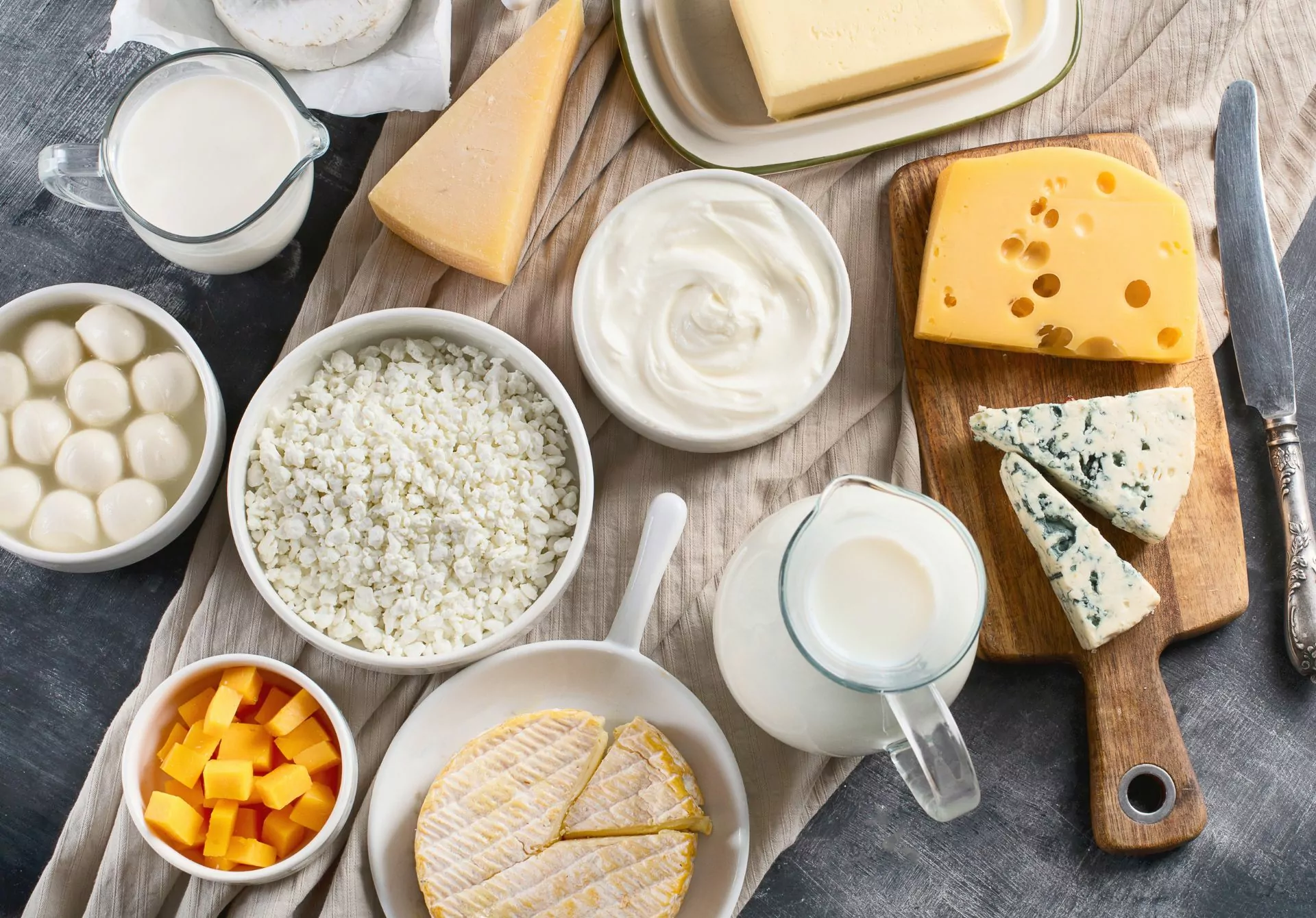

Milk, cheese and yogurt are rich in calcium and protein, but they can cause serious bloating for those who are lactose intolerant. Lactose, the natural sugar in dairy, is difficult for many adults to digest.
If you often feel bloated after eating dairy, you might want to try lactose-free options or plant-based alternatives like almond or oat milk.
9 Watermelon
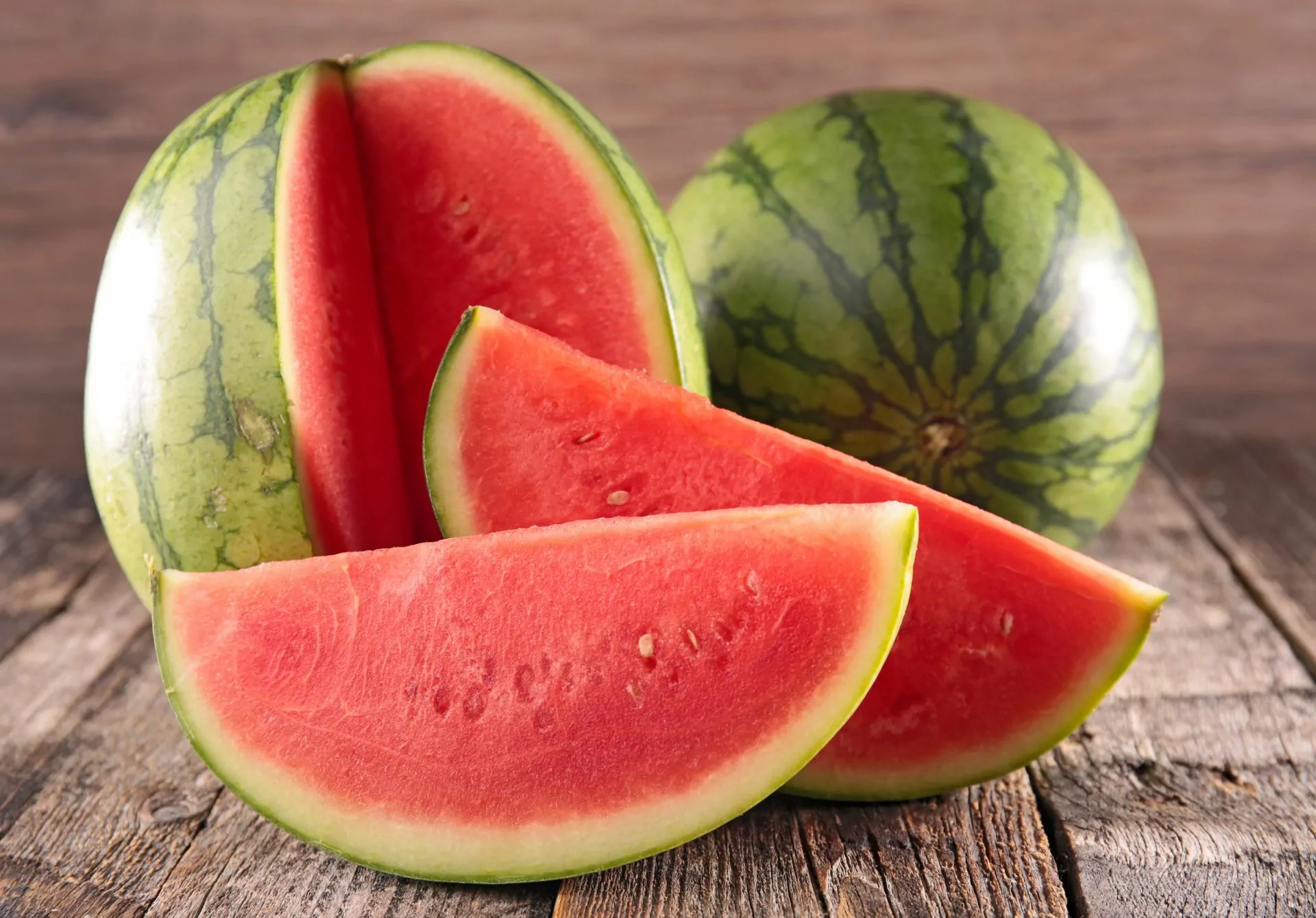

Watermelon might be refreshing, but it’s also full of fructose, a sugar that can cause digestive issues in some people. While it’s hydrating and packed with vitamins, the high fructose content can lead to bloating and discomfort.
If watermelon leaves you feeling puffy, try eating smaller portions or choosing fruits with less sugar, like berries.
10 Whole Grains
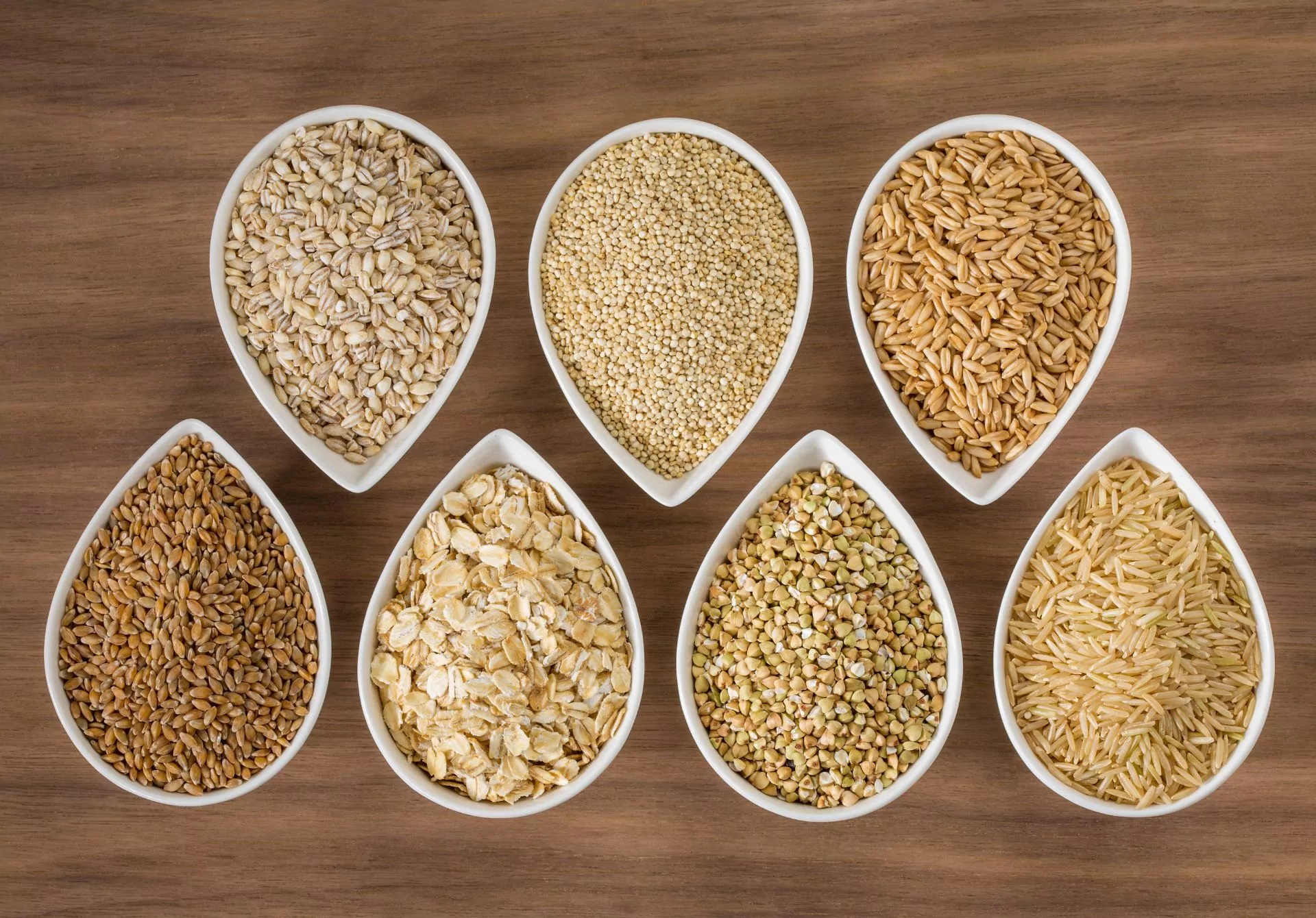

Whole grains like quinoa, brown rice and whole wheat bread are great sources of fiber, but too much fiber can cause bloating. When your body isn’t used to digesting large amounts of fiber, it can lead to gas and discomfort.
Drinking plenty of water and gradually increasing your fiber intake can help reduce bloating from whole grains.
11 Mushrooms
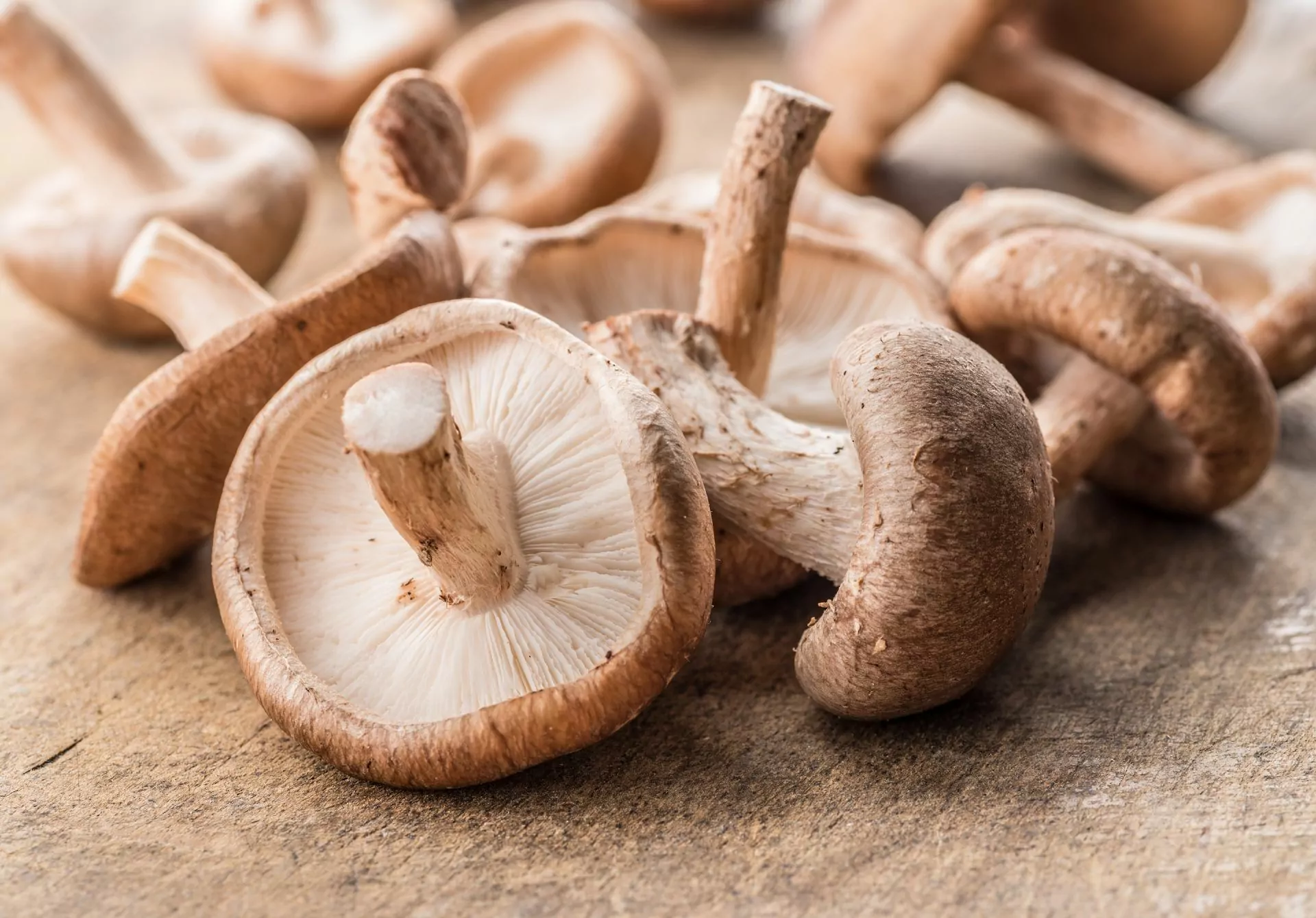

Mushrooms contain polyols, a type of sugar alcohol that can be difficult for the body to break down. If you notice bloating after eating mushrooms, your gut might be struggling to process these compounds. Cooking mushrooms can make them easier to digest, or you can opt for other veggies that don’t cause as much gas.
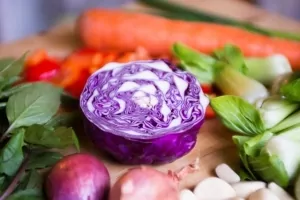
12 Cabbage
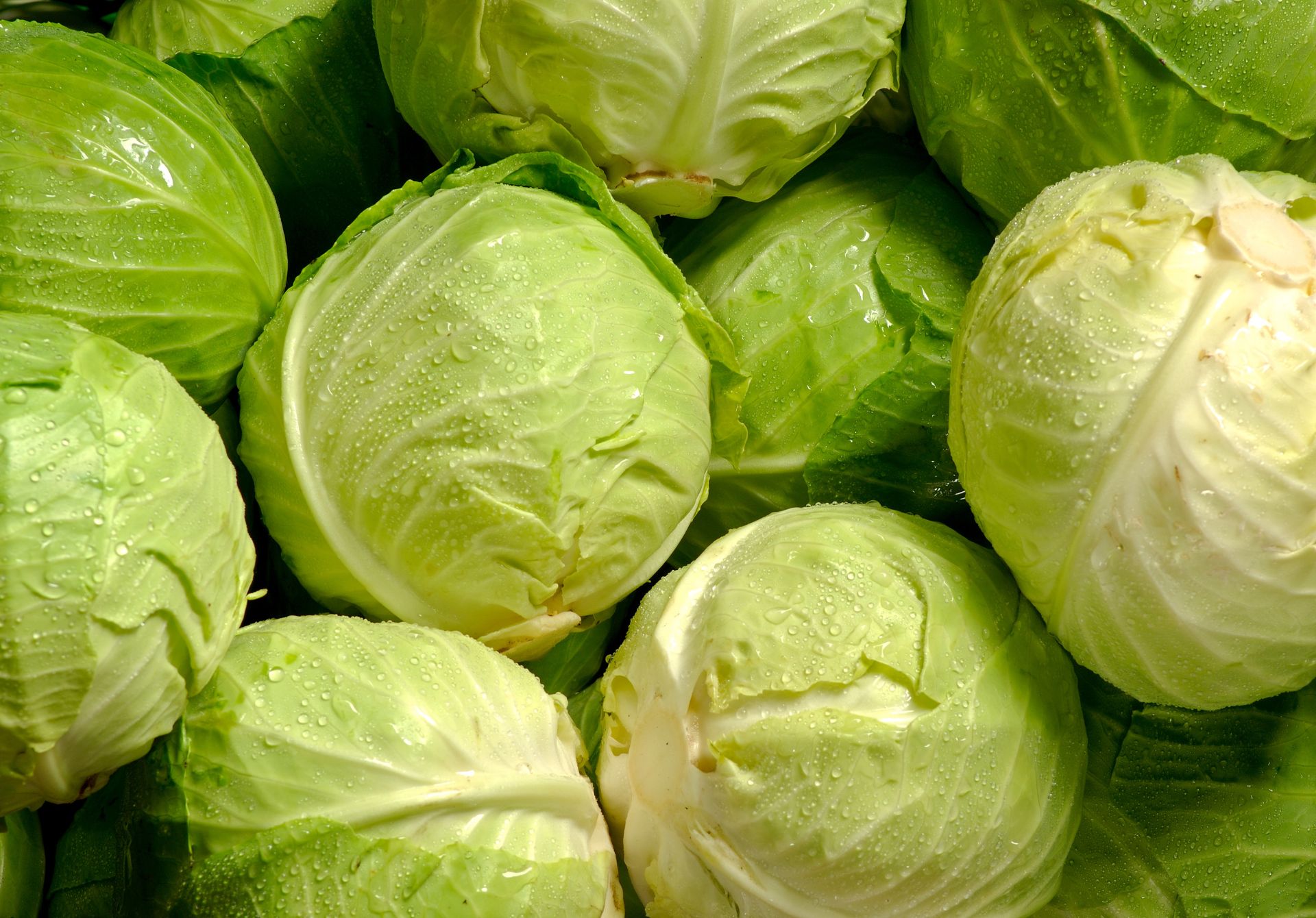

Cabbage is another cruciferous vegetable that can make your stomach feel like a balloon. It’s packed with fiber and sulfur-containing compounds, which are notorious for producing gas.
If you love cabbage but hate the bloating, try fermenting it into sauerkraut or cooking it to break down some of the difficult-to-digest fibers.
13 Peaches
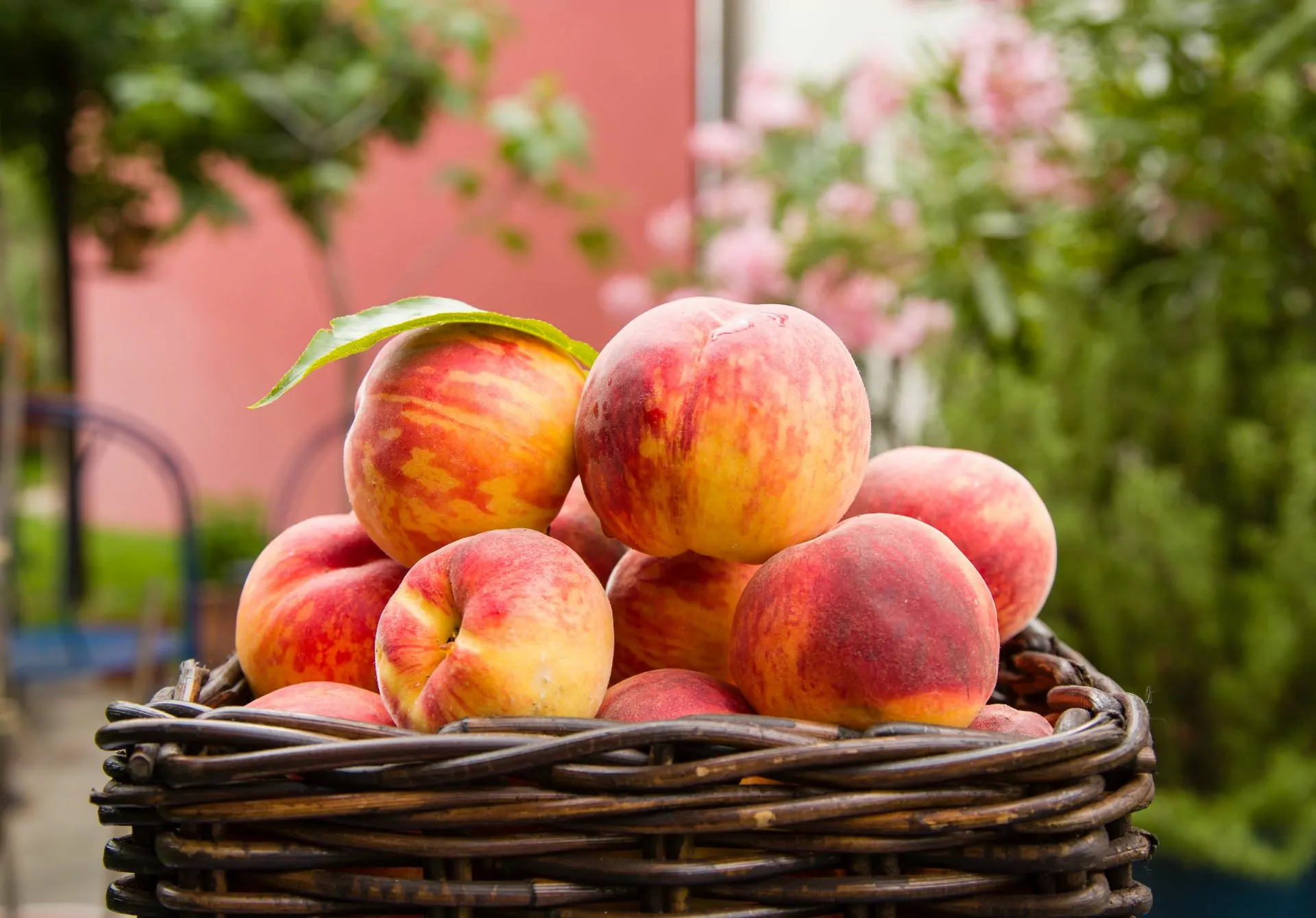

Peaches might seem like a light, healthy snack, but they contain sugar alcohols that can cause bloating. These natural compounds can be hard for some people to digest, leading to gas and discomfort. If you notice bloating after eating peaches, try swapping them for lower-fructose fruits like strawberries or oranges.
14 Chickpeas
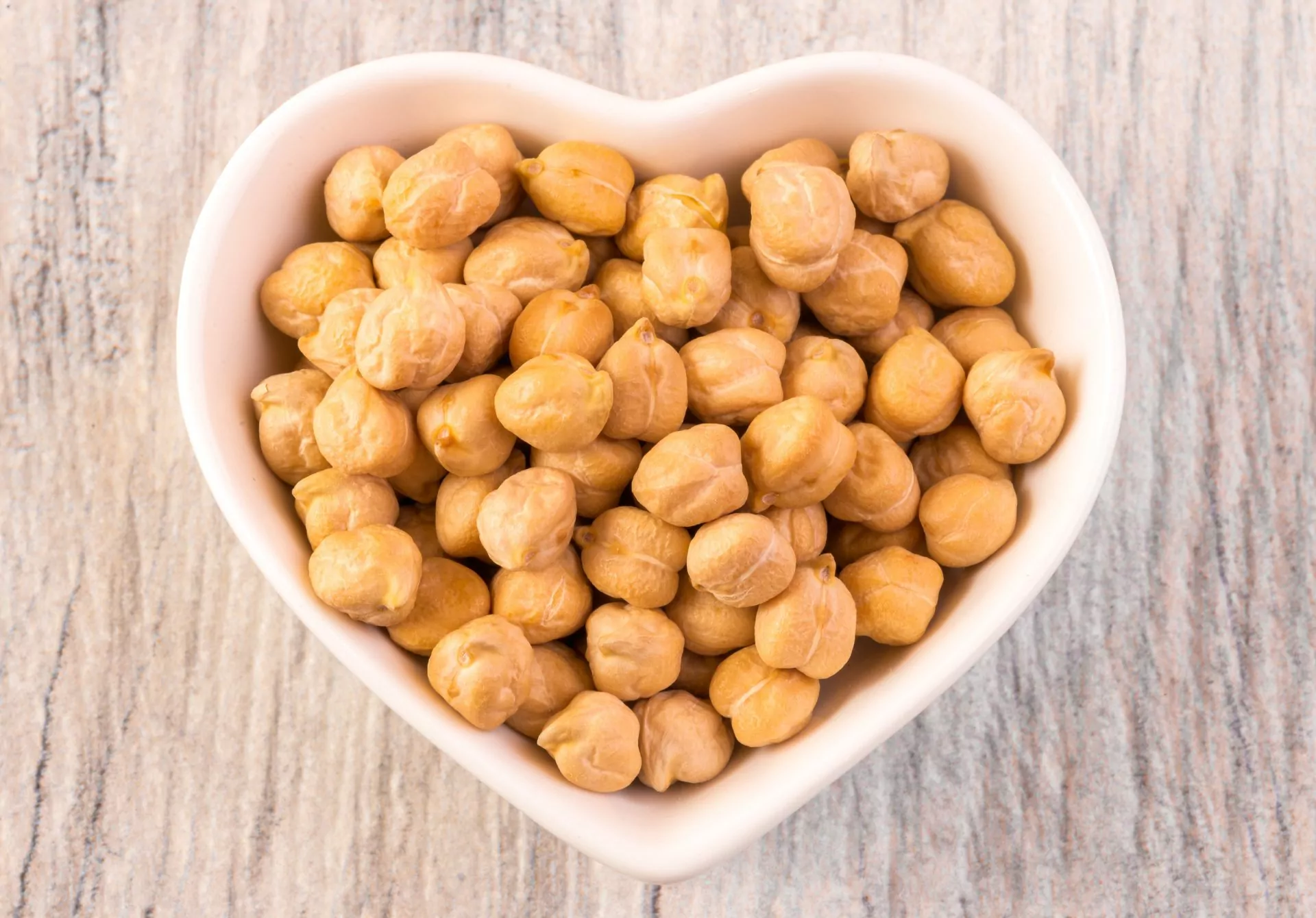

Chickpeas are loaded with protein and fiber, making them a favorite for vegetarians and health-conscious eaters. But their high fiber content and resistant starches can be tough on the gut. Soaking chickpeas before cooking or opting for hummus (which is easier to digest) can help reduce bloating.
15 Sparkling Water
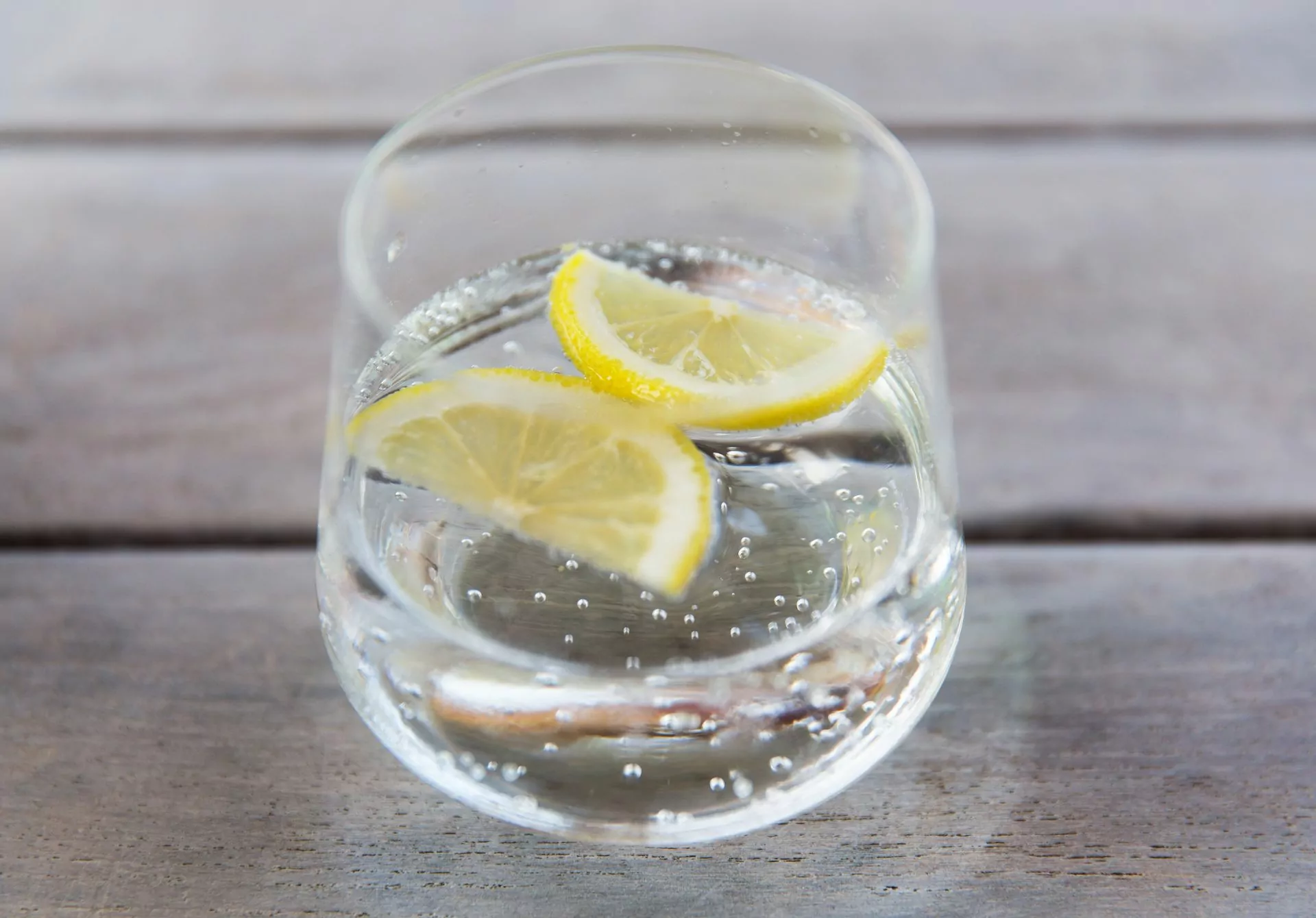

Okay, it’s not a “food,” but sparkling water deserves a mention! The carbonation in fizzy drinks can trap gas in your stomach, leading to bloating and discomfort.
Even though it’s a healthier choice than soda, too much sparkling water can leave you feeling gassy. If you love your bubbles, try drinking it slowly or opting for still water instead.
FAQs
Why do healthy foods cause bloating?
Many healthy foods contain fiber, natural sugars, or sugar alcohols that can be difficult to digest. These compounds can ferment in the gut, leading to gas buildup and bloating.
How can I reduce bloating after eating these foods?
Try cooking vegetables instead of eating them raw, drink plenty of water and gradually increase your fiber intake. Soaking beans and lentils before cooking can also help.
Should I avoid these foods completely?
Not necessarily! Everyone’s digestive system is different. If a certain food makes you bloated, try eating smaller portions, cooking it, or pairing it with easier-to-digest foods.